Available Injection Molding Materials
Trusted By Industry Leaders









Fathom’s Wide Selection of Injection Molding Materials
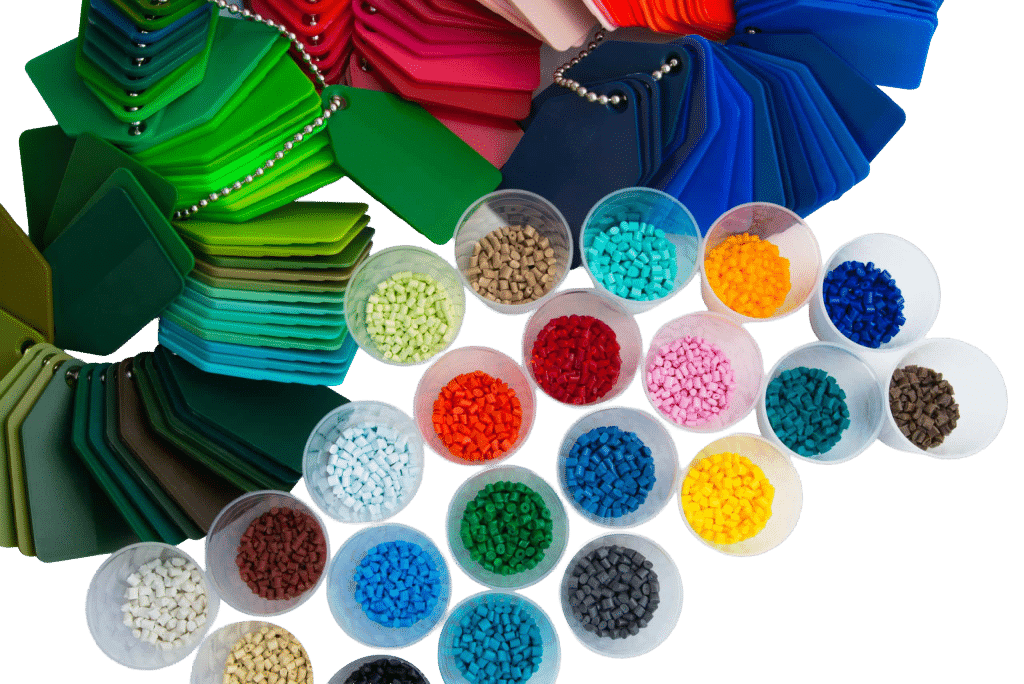
At Fathom, we offer a wide range of resins for custom injection molding, including polyethylene, polypropylene, ABS, nylon, polycarbonate, acrylic, thermoplastic rubber and glass-filled options.
We help customers choose the right material based on performance needs such as strength, flexibility and cost. While our list covers many commonly-used plastics, it’s not exhaustive. Our sales engineers can source additional materials upon request, and we also offer sample kits for hands-on comparison.
Polyethylene (PE)
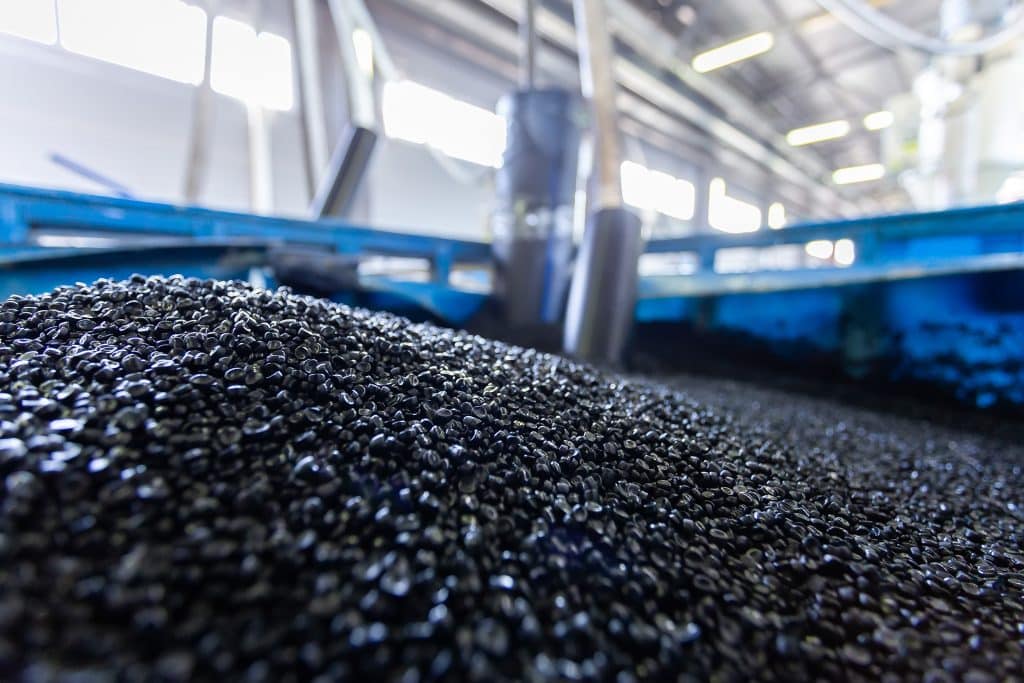
Polyethylene (PE) is the most popular plastic in the world, and accounts for 34% of the total plastics market. There is low-density polyethylene (LDPE) and high-density polyethylene (HDPE). LDPE is manufactured with high pressure and high temperature, whereas HDPE is manufactured with relatively low pressure and low temperature.
LDPE is the most flexible type of polyethylene and it is widely used in packaging. It provides superior moisture resistance, although it should not be used in harsh weather or high temperature conditions. It has high impact strength and good chemical resistance. It is a low-cost option that can be easily processed by most methods.
This versatile resin is used for many everyday products such as plastic bags, plastic films, bottles, containers, lids and caps. It is also used to make six-pack rings, toys and computer components. It is often recycled and made into items such as trash cans, floor tile, paneling and furniture.
Polypropylene (PP)
The second most widely-produced plastic in the world is polypropylene (PP). Its behavioral characteristics are similar to polyethylene, but it is slightly harder and more heat-resistant. It is a commodity grade polymer popular in the packaging and labeling industries.
Polypropylene is tough, fatigue- and chemical-resistant but is vulnerable to UV radiation and it is flammable. It is a versatile plastic, because it can be easily customized with additives. It is naturally white.
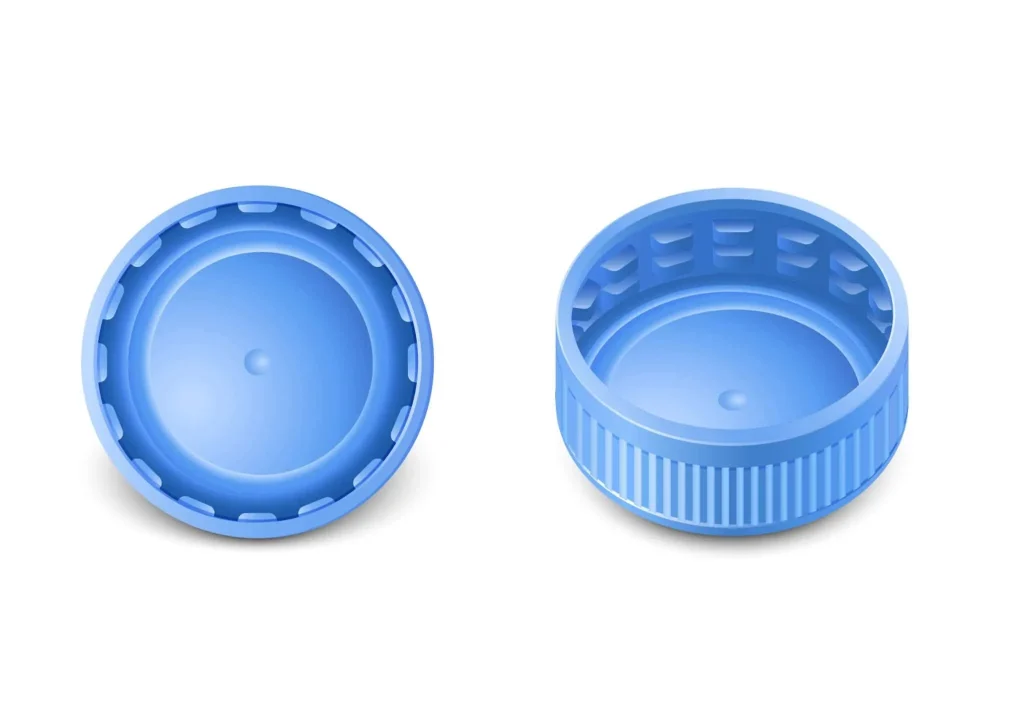
Because of the elasticity of polypropylene, it makes a good material for living hinges. It is also used in many common items such as buckets, packaging, bottle caps and toys.
Acrylonitrile Butadiene Styrene (ABS)
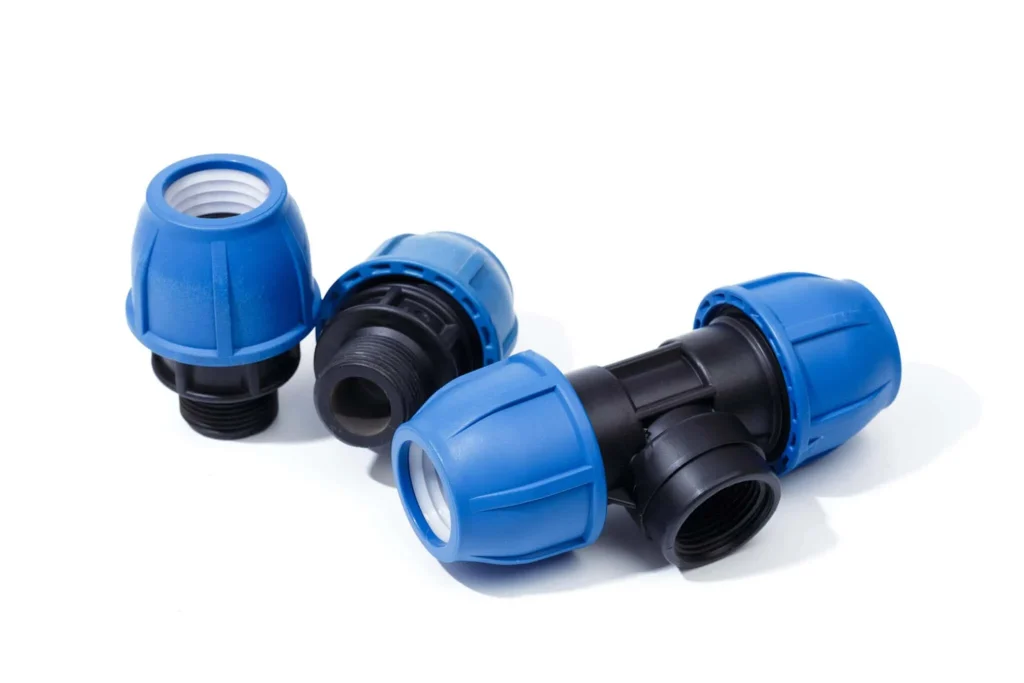
ABS is another one of the most common, widely-used plastic materials in the world. Impact resistance and toughness make ABS a popular, low-cost, commodity-level thermoplastic polymer. It is used in a wide range of products in the automotive, appliance, electronics and other industries.
ABS combines the strength and rigidity of acrylonitrile and styrene polymers with the toughness of polybutadiene, a rubbery material, even at low temperature. The styrene gives the plastic a shiny, colorfast, high-quality surface finish.
Polyoxymethylene (POM)
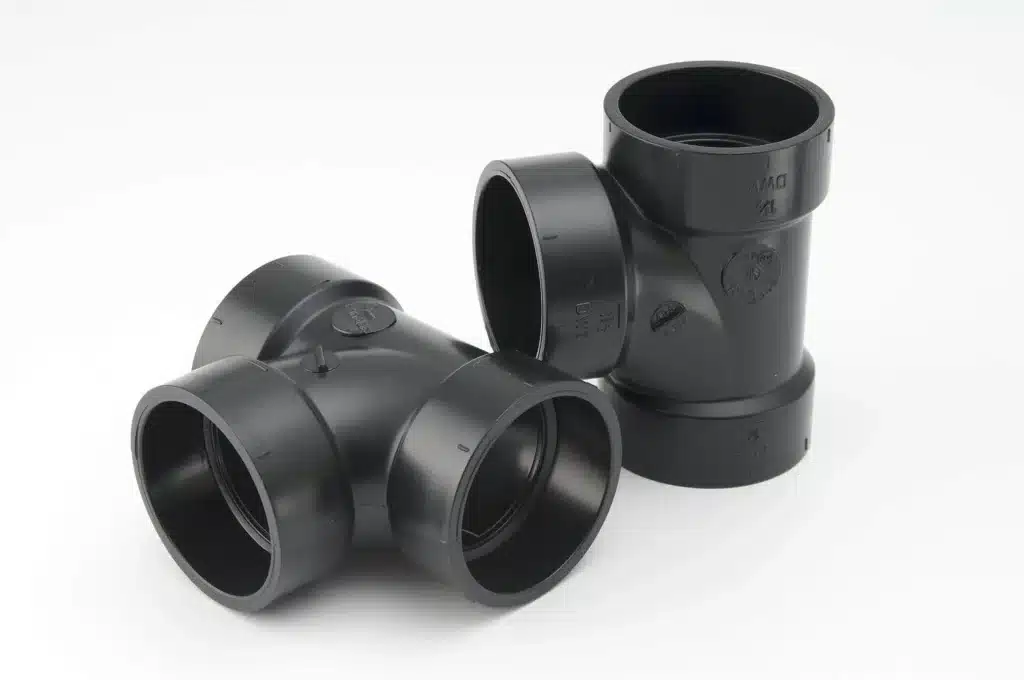
Polyoxymethylene (POM) is also commonly known as acetal, polyacetal and polyformaldehyde. It is considered an engineering-grade thermoplastic, a step up from commodity plastics in performance and price. It provides high stiffness, excellent dimensional stability and is used for precision parts requiring low friction.
POM provides high strength, rigidity and hardness and it is resistant to chemical solvent. It’s opaque white in its natural state, but it is easy to color.
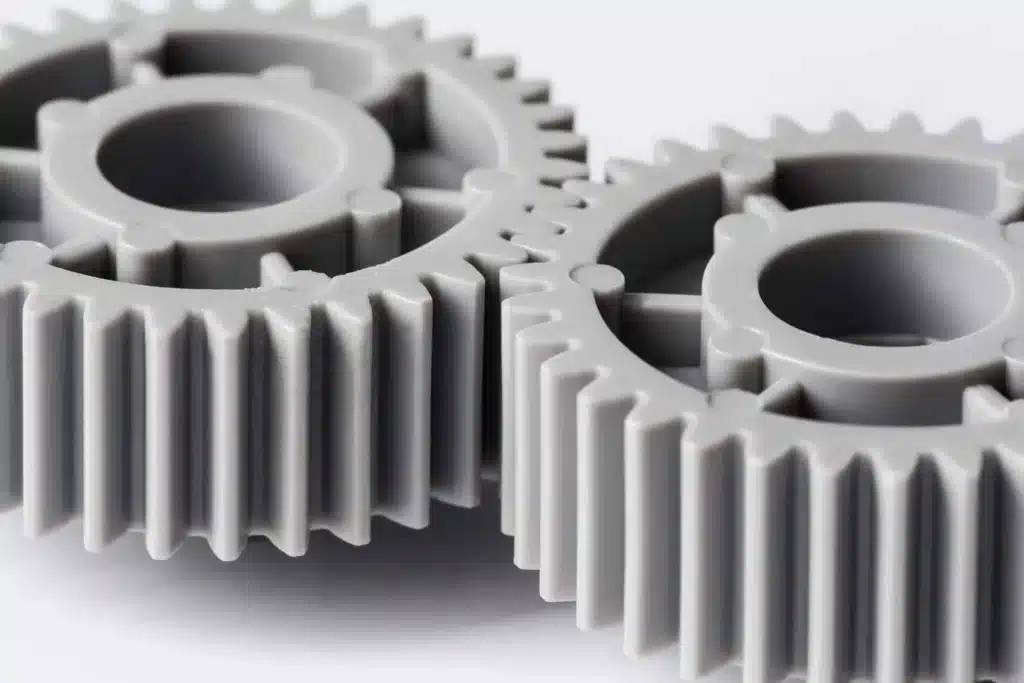
POM is a good choice for high-performance components like small gears and bearings, as well as other applications where the component comes in contact with other parts, such as plastic gears and ball bearings.
It is commonly used in the automotive and consumer electronics industries. It’s also used in eyeglass frames, guns, knife handles and other items that require strength and toughness.
Polystyrene (PS)
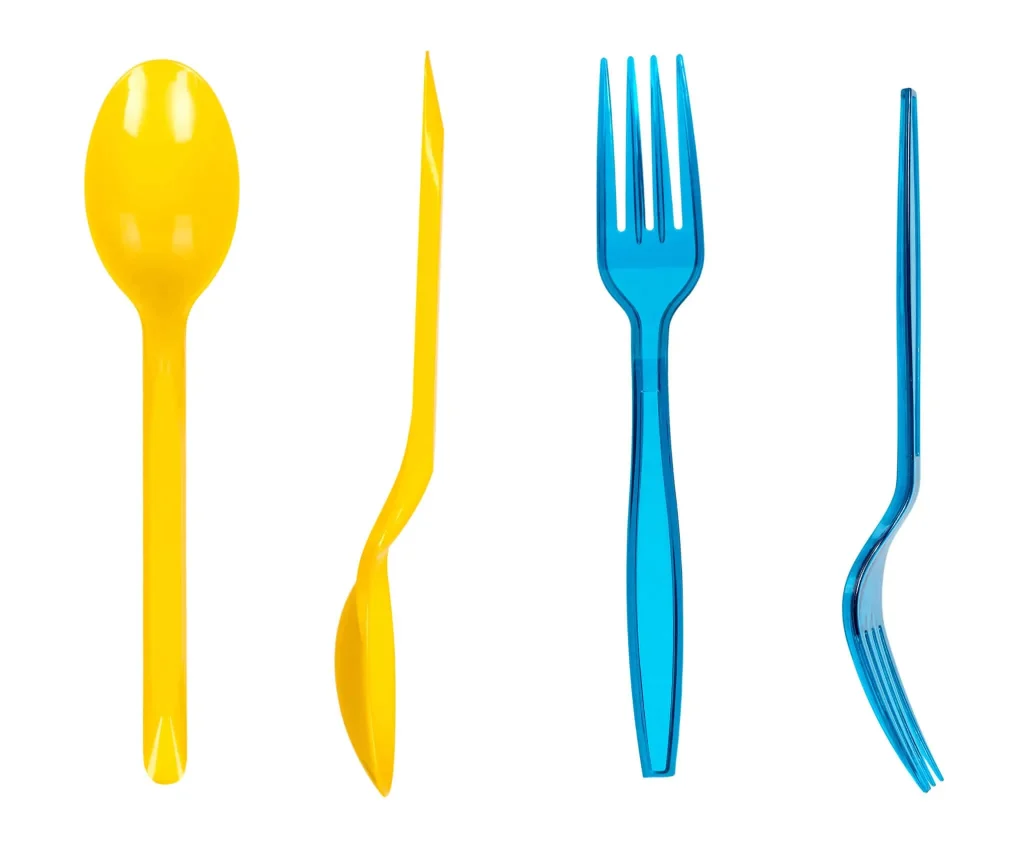
Polystyrene (PS) is a widely-used polymer that can be either solid or foamed. As a solid, it is used to make things like disposable cutlery, and in its foam state (Styrofoam) it can be extruded to make things like packing peanuts and disposable drinking cups.
PS is clear, hard, and fairly brittle (think of how easily the tines can break off of a plastic fork). It is naturally transparent, but can be colored with colorants. It is not biodegradable, so many PS items, especially “single-use” items, contribute to the world’s litter problem. It is also used to make CD jewel cases, license plate frames and plastic model kits.
Why Our Customers Trust Fathom

Low Cost

High Quality

Quick Turnaround

Online Quotes
Launch Your Injection Molding Project with Confidence
Partner with Experts Who Get It Right the First Time
Every project is reviewed by a seasoned manufacturing engineer to optimize part design, material selection, and tooling strategy — ensuring smarter decisions before steel is cut and production begins.