New Technology in Plastic Injection Molding
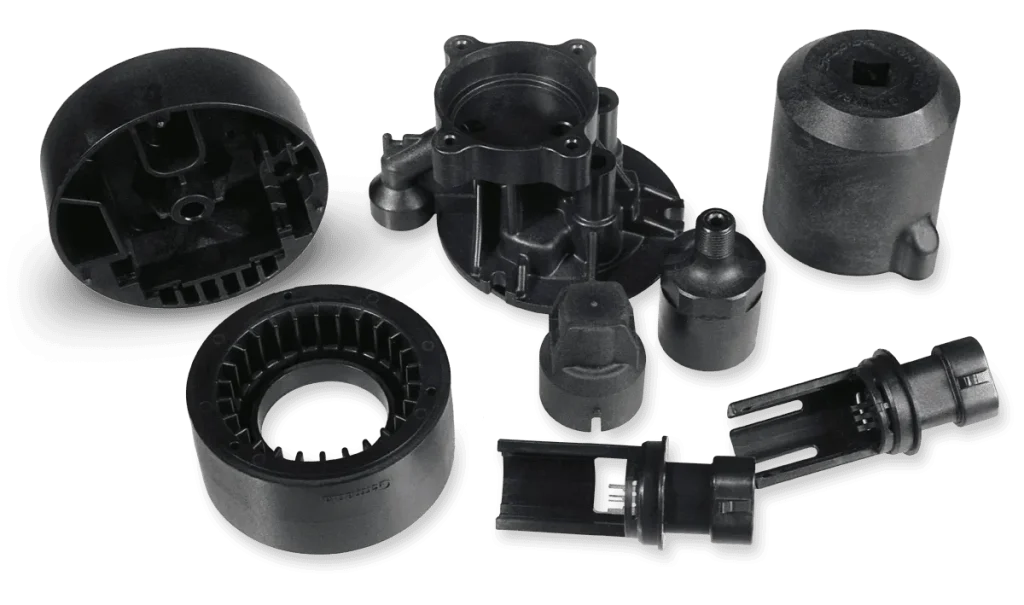
ICOMold is a leader in advanced injection molding plastic technology. Plastic is a versatile material that can be used in almost every situation and it is a ubiquitous part of our everyday lives. Plastic is everywhere, from the toothbrush we use in the morning, to the plastic utensils at lunch, to the case that holds our cell phones, to essential parts in our automobiles and medical equipment.
ICOMold by Fathom is an injection molding company that embraces new technology in plastic injection molding to make better parts for a wide variety of applications.
ICOMold by Fathom is digital manufacturer on the cutting edge of advanced injection molding. We are able to manufacture almost any plastic part to fulfill any purpose by utilizing the latest machinery and computers. We employ a variety of molding techniques to create custom parts to the client’s specifications. Complex, intricate, and highly detailed parts are easy to make thanks to an array of sophisticated, computer-controlled machines. ICOMold specializes in injection molding technology but can also create parts and prototypes using Computer Numerical Control (CNC) machines. We have the expertise and machinery to easily CNC machine prototypes or small batch runs.
[xyz-ihs snippet=”Knowledge-Base”]
Additive Technology and Digital Manufacturing
ICOMold is part of the Fathom Digital Manufacturing network. Fathom has a nationwide network of manufacturing facilities that are on the cutting edge of fabrication. Direct Metal Laser Sintering (DMLS) is a new technology in plastic injection molding that utilizes metal 3D printing to create molds. This technology is ideal for building tooling that would otherwise be impossible to machine by conventional means. DMLS allows our experts to build a mold from the ground up. Conformal cooling lines can also be incorporated into the tooling, increasing the life of the mold, reducing cycle time, and ultimately saving the customer money.
A History of Plastic
The business of plastic has always been forward thinking and ICOMold is no exception. From the early days of plastic, the inventors and chemists were looking for an easier, less expensive way to create products that would stand up to the rigors of everyday use better than their traditional counter parts. The first well-known, mass-produced plastics were cellulose and Bakelite. Cellulose is plant-based material while Bakelite is a fully synthetic product. Injection molding was invented in 1872. Early injection molding companies produced small, simple items like buttons, combs, and collar sticks. The injection molding industry took off in the 1940s during World War II due to the demand for cheap, mass-produced items as part of the war effort. New technology and machines over the last few decades has made plastic injection molding more efficient and cost effective.
Blow molding debuted in the 1970s, allowing manufacturers to create hollow and much more intricate items. Hollow items reduced cost and waste, giving plastic yet another leg up on conventional materials and manufacturing techniques.
The increase in computing power and advances injection molding technology over the last 30 years has allowed manufacturers to greatly expand the options available to clients in need of plastic parts.
Computer Technology
Integrated computer technology has ensured that advanced injection molding equipment can keep up with the demands of consumers. Complicated sizes, shapes, and designs can now be easily manufactured. Plastic items made with injection molding can be found in every industry. Plastic injection molded items are integral to our society and economy and can be found almost everywhere, from defense items and medical kits, to all kinds of household appliances and electronics.
There are many different ways to create plastic items. The two most popular techniques are injection molding and blow molding. ICOMold by Fathom is an injection molding company that also specializes in CNC milling, CNC lathing, and urethane casting. This allows ICOMold to serve a wide variety of clients in creating any part to fit their need, from a simple piece all the way to intricate items with complex geometries.
Injection Molding
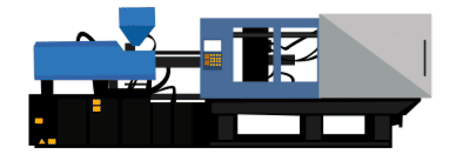
Injection molding starts with a mold. A rigid mold, typically made of metal, is created with a cavity on the inside. Melted plastic is injected into the mold. The mold is then opened and the finished piece is ejected. The applications for plastic injection molding are nearly limitless. Simple carrying bags, packaging, accessories for the computer, automobile parts, toys, and parts for consumer electronics can all be manufactured using advanced injection molding from ICOMold. Plastic injection molding technology can be used to make simple items like a fork or complicated, life-saving medical items.
Overmolding
Overmolding is an advanced injection molding process used to make parts with two different types of materials, typically one type of material over another. A good example is a game controller or cordless drill body with a hard outer shell and soft, rubberized grips. Overmolding allows clients to create complex items that may contact two different surfaces at the same time. Overmolding typically involves soft thermoplastic materials like urethanes and thermoplastic elastomers (TPE) being over molded onto hard plastic such as acrylonitrile butadiene styrene (ABS) or PC.
Insert Molding
Insert molding is an injection molding technology that allows metal or ceramic inserts, like brass nuts, bushings, screws, or metal filters, to be incorporated into the finished part. The metal or ceramic parts are placed in the mold and the plastic is injected around them to create the finished part.
Printing Capabilities
ICOMold offers several ways to brand or print text or pictures onto a plastic item made with advanced injection molding. Conventional screen-printing is used to print the desired text or image on any plastic item with a flat surface. ICOMold employs pad printing when the object may not be easily printed by conventional means. Pad printing allows the transfer of a 2D image onto a 3D object. A silicon pad is created that acts as a flexible stamp. This stamp can then be pressed onto the object, transferring the desired image. This type of printing is can be used in place of screen printing but is ideal for items that have compound angles, textures, rounded edges, or may be spherical.
Advanced Injection Molding Finishing Services
ICOMold offers a wide range of secondary processes to ensure every customer is satisfied with their final order. The following is a list of the standard secondary processes available after injection molding. We will be happy to discuss any custom process or secondary processes not listed below.
- Painting. Plastic injection molded parts can be painted to enhance appearance and ensure uniformity.
- Insert Molding can be used for plastic parts may need non-plastic inserts.
- Electromagnetic Interference (EMI) Coating. This special coating provides EMI shielding, anti-static protection, and surface grounding to plastic parts made with advanced injection molding.
- Silk Screening. A woven mesh to support an ink-blocking stencil is used to transfer a desired image to the finished piece.
- Laser Etching. Heat from a laser beam melts the surface of the material, leaving an indentation in the shape of the desired design.
- Pad Printing. This printing method uses a soft, ink-dipped pad to transfer a 2D image to a 3D object.
- Custom Processes.ICOMold is happy to work with customers on post-molding or CNC milling service processes.