Skip to content

Thermoplastic Injection Molding

  • High-volume production with consistent, repeatable part quality

  • Cost-effective manufacturing with fast cycle times

  • Engineering support and design-for-manufacturing expertise

Get your 30 Second Quote
Trusted by Industry Leaders
Lennox
Parker Hannifin
Panasonic
Rockwell Automation
HP Inc.
Ingersoll Rand
Gates
Sylvania Electric Products
Permabond Engineering Adhesives
Nikon
Honeywell
Delphi Technologies
Emerson Electric Co.
General Electric
Kawasaki
Edwards Lifescience
Multilink, Inc.
Paragonix Technologies
Kimball Electronics
“I’m impressed with your quality, expertise, speed, and customer service.”
Professor James F. Antaki, PhD
Carnegie Mellon University
“The team at Fathom continues to provide us with great service. Starting with initial DFM reviews, fast tooling development and quick turn-around times, Fathom is a partner keeping us on track to deliver quality products to our customers. Thank-you to all the Fathom team.”
Tim Latham, Project Manager
Litepanels, Inc.
“We have been very satisfied with Fathom’s performance in every aspect: pricing, delivery, quality, and customer support. It is a pleasure doing business with Fathom, and honestly, I wish there were more companies like them.”
Mark Merg, Procurement Manager
Alpha High Theft Solutions
“I want to thank you and the rest of the team for the great support. Over the 15 years that I have been working with mold vendors I have never seen such personal attention and such great communication efforts in addressing my concerns on samples. The fact that Fathom went the extra step to provide me with a second set of samples at no cost and in two days to improve my texture concerns goes a long way. I know that I have made the right choice going with Fathom. I’m looking forward to a long relationship with you and the rest of the Fathom team.”
Level, LLC
“It is exactly what we were expecting. Well done to the team!”
Harwood Laskin
Schneider Electric
“This is a huge milestone for our team. This product is no longer a vision… I received the parts today from Fathom. They look and function great! I don’t see any reason why we cannot move forward now and order parts for the upcoming proto build.”
Dave Boretti
Schneider Electric
“As a small, growing company, we cannot say enough good things about Fathom. They have been willing and able to adapt to our rapidly changing needs and have helped us get out of a pinch on occasion. Special thanks to Brian and Carla – they have been great to work with!”
Scott
SLight LLC
“It has been a genuine pleasure dealing with the Fathom team. You have been very patient and have been a wealth of helpful information. Your response times to my questions and comments are superb and your answers are specific and to the point. Thanks for your patience and all the time it has taken to get the details worked out.”
Scott Bixler
Polyvance
“I have to say that so far I’ve enjoyed this process – having the customer portal (and your well-detailed DFM reports) makes it very easy to comply with the design requirements.”
Cory Starr
Blaster One
“I just wanted to let you know, we have all been very impressed with the quality and turnaround time of our parts. We have used several shops in the past, but so far the quality of Fathom has been the best we have ever received.”
Gregg Garrett
VEGA
“I just want to compliment you and your team how you are managing this project with all of the changes on the fly. Kudos.”
Mark Ezzo, Plastics and Composites Engineer
Materials & Chemistry Network of Excellence
“Our SteriPen product must meet the quality standards of a medical device — if it ever malfunctions, people will get sick. Yet it must be economical enough to permit many people to own one. And we need the design flexibility to keep pace with rapidly changing technology. Our production at ICO meets all three challenges.”
Don Snoke, VP of Operations
Hydro-Photon, Inc.
“After reaching out to over 20 manufacturers, Fathom was the only one that was able to take on my project, create the molds and manufacture the parts I needed. What impressed me the most is that they were able to work overtime to meet my demanding deadline and get the parts to me on time.”
Aziz Razakov,
Berry Good Bottle
“I found it refreshing to work with a company with such a phenomenal online quoting tool. It allowed us to experiment with different materials, quantities, and mold configurations to see the cost impact in real time.”
Mike Yin, Founder
Nunchuck Grips LLC
“The parts came in a few days ago and I wanted to thank you and your team on the very impressive quality of the parts. We were thoroughly impressed by the finish and clearness of the parts. Thank you for the great customer service and we are looking forward to using your expertise in future projects.”
Akash Shankar
PMC Smart Solutions
“We appreciate the effort you put into making our order smooth. The molded parts are used in our device that makes water safe to drink in areas of the world that do not have access to safe water. Thanks again for everything!”
Sarah Yoder
WaterStep
“Fathom brings an open mind to each project with a positive attitude to tailor their processes to meet my needs, from part design to mold build and molding. They work hard to make sure my needs are met with a professional attitude, expertise, on-time delivery and competitive pricing.”
Bob Rohr
RDR Design and Development LLC
“It is a pleasure to work with a company whose personnel are willing and able to think out of their box. With your commitment to staying on the cutting edge of technology, you supply tooling to us that is right on time and works first shot.”
Norman R. Akens
Medical Murray
“Quick response time for RFQ, excellent lead time for rushed order and quality parts were manufactured and delivered on-time.”
Manufacturer of Compressed Gas Storage Systems
“The workmanship was outstanding – we are over-the-top happy with the unit! The product that arrived at my door far exceeded our expectations, and all on short notice…amazing. Please pass our very best wishes on to everyone on your team who was involved in fast-tracking our prototype. It all started with you and your can-do attitude, Nate. I cannot thank you enough!”
Larry Cole
TerraCube
“Fit and finish is great and the parts passed all our regulatory tests. Thank you for all your help and for the role you played helping the factory work through some of the stickier parts of the design.”
Drew Macrae
Linkitz
“As a small, growing company, we cannot say enough good things about Fathom. They have been willing and able to adapt to our rapidly changing needs and have helped us get out of a pinch on occasion.”
M. Nasilevich
Morpho Detection
“I was very impressed with your company’s ability and willingness to work with a novice in plastics as I am, and work through some design changes. I have learned a lot from you and hope this is a huge success for both of us. Frankly, I did contact two other companies and they acted like they had no time for me!”
Kevin Jensen
Quik-Load
prev
next

What is Thermoplastic Injection Molding?

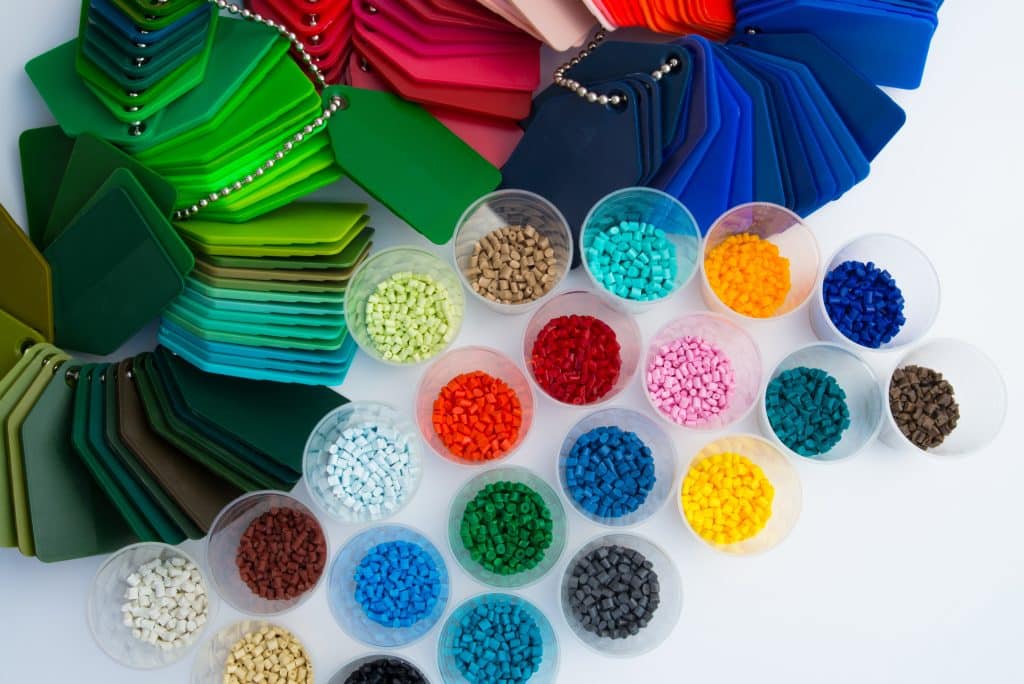
Thermoplastic injection molding forms parts by heating polymer pellets until they flow, forcing the material into a precision mold, and allowing it to harden into its final shape before release.

This technique is widely used because thermoplastics can be reheated and reshaped without degrading, making the process efficient and cost-effective. The ability to re-melt the material also reduces waste and supports recycling initiatives.

Unlike thermosetting plastics, thermoplastics can be reheated and reshaped multiple times without significant material degradation. This characteristic supports efficient production, material reuse, and recycling, making thermoplastic injection molding a flexible and sustainable manufacturing option.

plastic polymer granulate

How Does Thermoplastic Injection Molding Work?

01 Melting and Preparing the Material

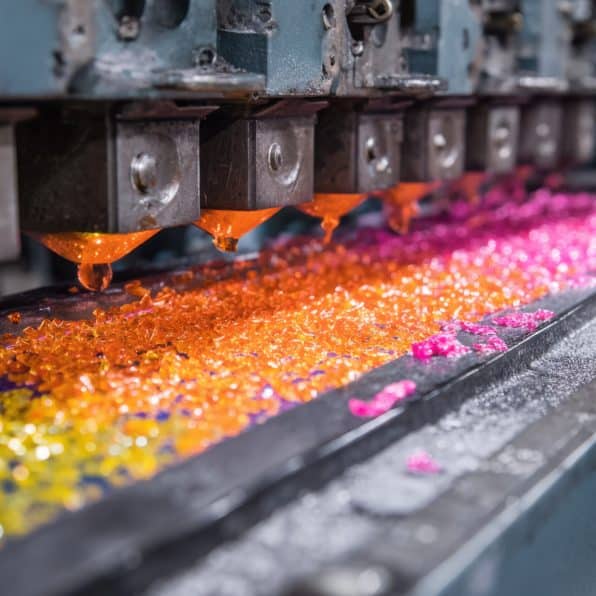
Thermoplastic pellets are first loaded into the hopper of the injection molding machine. They are fed into a heated barrel where the rotating screw melts them into a uniform molten state. Careful temperature control ensures the material flows properly without degrading. Once enough material is ready, the machine prepares for injection.

Medium shot of colored vinyl pressing line highlighting vibrant pellets being melted and molded into unique brighthued records.
02 Injecting and Shaping the Plastic

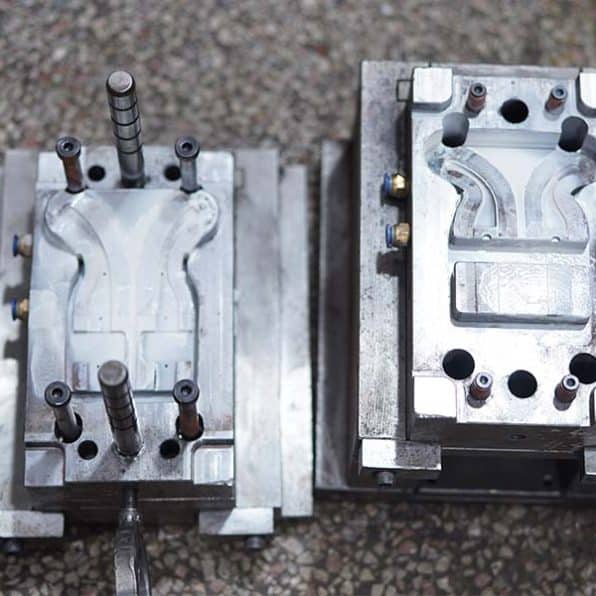
The molten thermoplastic is injected into a steel mold cavity under high pressure. This pressure forces the material to fill every detail of the mold’s geometry. After injection, the material begins to cool and solidify inside the mold. Proper flow and pressure settings help prevent defects and ensure consistent part quality.

Steel Mold
03 Cooling, Ejection & Resetting the Cycle

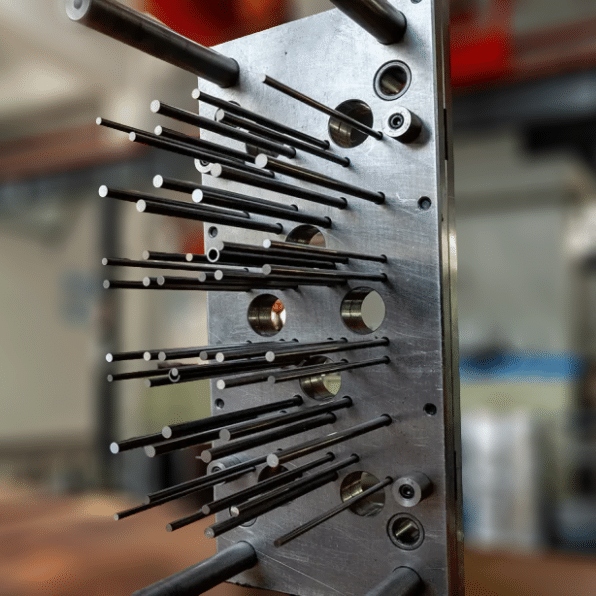
As the plastic cools, it hardens into the final part shape. When fully solid, the mold opens and ejector pins push the part out. The finished part may fall into a bin or be removed by automation. The mold then closes again, and the cycle repeats for the next part. Automated handling systems are often used at this stage to improve consistency, reduce labor, and support high-volume production.

Ejector-Pins Mold

Pros & Cons of Thermoplastic Injection Molding

Advantages

  • Speed and Efficiency

    Once the custom injection mold has been made, thousands of parts can be made from one mold. Depending on the mold design’s complexity, an average time of 15 to 30 seconds passes between cycles.

  • Part Complexity

    Injection molding is a good fit for complex parts that require uniformity. Since thousands of components can be produced from one mold, each piece is identical. The extremely high pressure used during the process allows a large amount of detail to be added to the part’s design.

  • Waste Reduction

    Fathom shares a commitment to quality, sustainability and optimal safety. Only the required amount of plastic is used to build each part. The excess plastic is recycled, which benefits the environment while minimizing waste.

  • Low Labor Costs

    The injection molding process is automated and controlled by a single operator or mold technician. This allows for a reduction of labor costs when compared to other manufacturing methods.

  • Strength

    While it is possible to use fillers in the injection molds, these fillers reduce the density of the plastic while being molded and help add to its finished strength after the molding process. The strength and durability of plastics has increased over the years. Modern lightweight thermoplastics can withstand even the most rugged environments.

  • Versatility in Materials and Color

    Choosing the right material and color for a project are two of the essential factors in creating plastic parts. One mold can produce many variations of your product. Color and material type are relatively easy to change in injection molding machines.

Disadvantages

  • Part Design Restrictions

    While the process supports complex shapes, parts must still follow specific design rules. Features like thick walls, sharp corners, and undercuts can create defects or complicate tooling. Designers must balance creativity with manufacturability. These constraints may limit certain design possibilities.

  • Limited Material Flexibility After Production

    Unlike thermosets, thermoplastics can re-melt, but the final part’s material cannot be easily swapped without retooling or re-engineering. Changing materials may require adjusting processing temperatures and pressures. Some materials also have compatibility issues with certain mold designs. This can limit late-stage adjustments in product development.

  • Potential for Defects

    Issues like sink marks, warping, voids, or short shots can occur if processing conditions are not optimized. These defects often require troubleshooting of mold design, temperature, or pressure. Quality problems may slow down production and increase costs. Consistent monitoring is essential to maintain part integrity. Proper mold design, material selection, and process optimization significantly reduce the likelihood of defects and ensure consistent production quality.

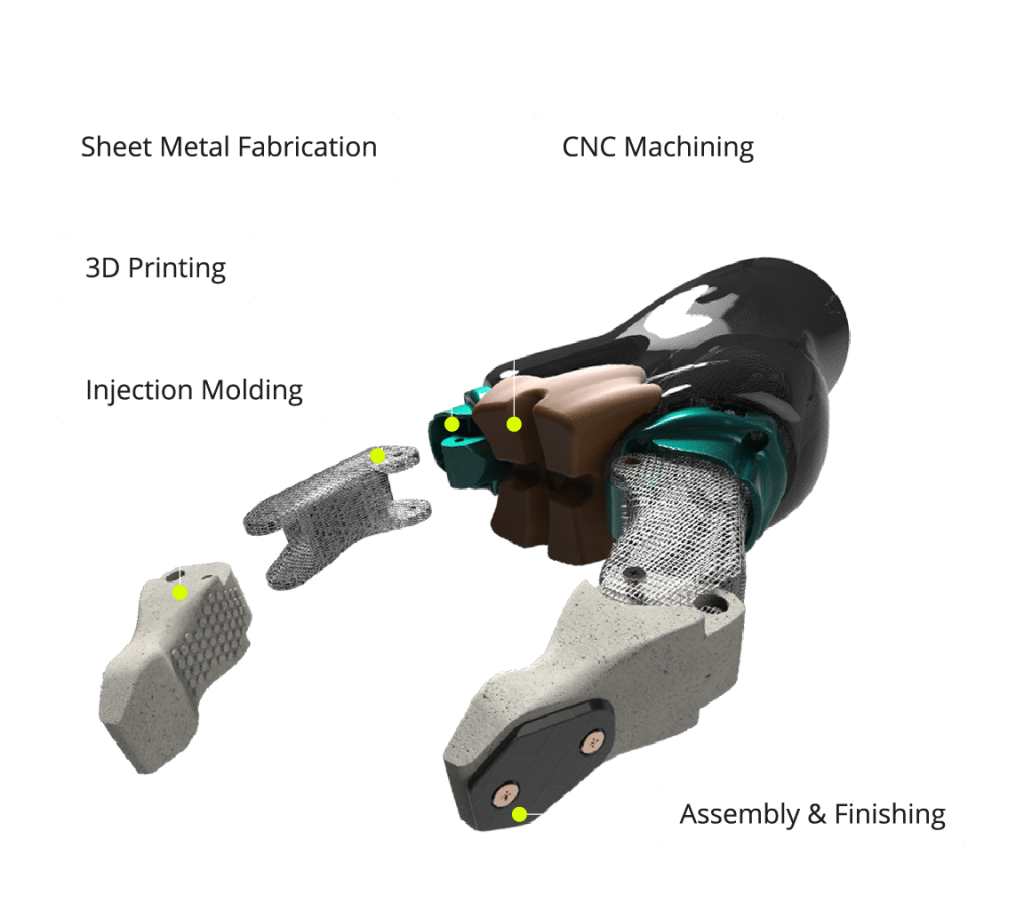
Launch Your Injection Molding Project with Confidence

Partner with Experts Who Get It Right the First Time
Every project is reviewed by a seasoned manufacturing engineer to optimize part design, material selection, and tooling strategy — ensuring smarter decisions before steel is cut and production begins.

Start My Quote
Robot_Hand_CTA

Common Applications for Thermoplastic Injection Molding

Consumer Electronics

Thermoplastics are used to create housings, buttons, and internal components for devices like smartphones, laptops, and remote controls. Their durability and precision make them ideal for high-tech products.

Automotive Components

Injection molding produces interior panels, clips, dashboards, and under-the-hood parts. These components benefit from the strength, heat resistance, and lightweight properties of thermoplastics.

Medical Devices

Thermoplastics are used for syringes, tubing connectors, enclosures, and single-use medical components. Their cleanliness, biocompatibility, and repeatable quality are essential in healthcare.

Household Goods

Items such as containers, kitchenware, toys, and storage products are commonly molded. The process enables affordable, high-volume manufacturing of everyday items.

Industrial and Mechanical Parts

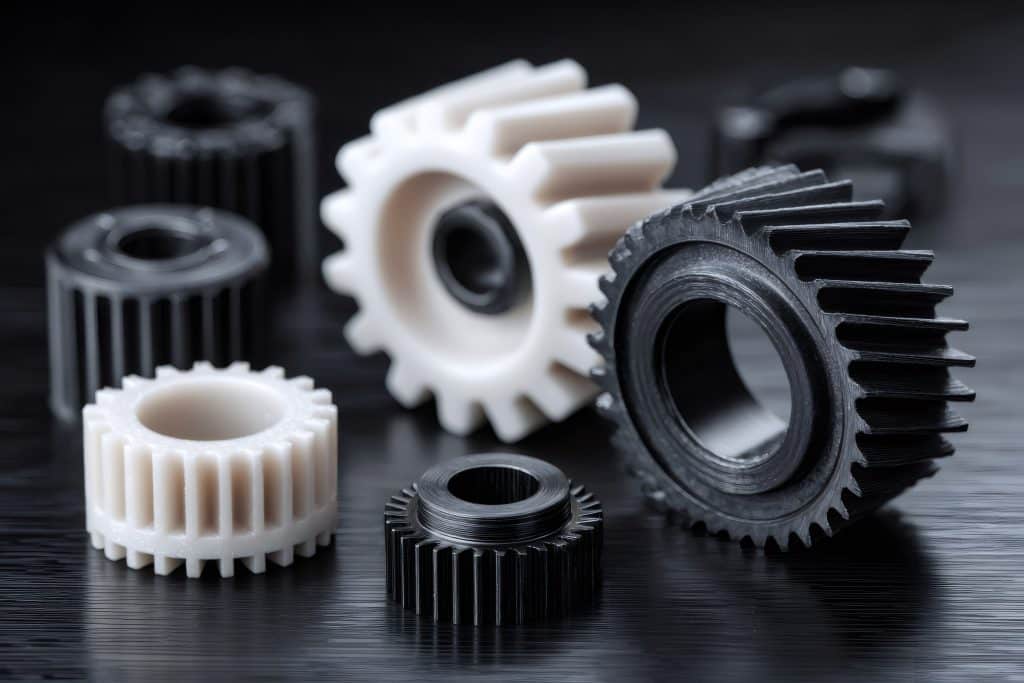
Gears, housings, brackets, and fasteners are often made from engineered thermoplastics. These materials offer strength and wear resistance suitable for demanding environments.

Packaging

Thermoplastic injection molding is used for caps, closures, dispensers, and custom packaging components. It provides high-volume production with excellent consistency and cost efficiency.

Smartphones on shelf in the store. Concept for communications and technology.
Plastic gears and cogs for mechanical engineering

Materials Used for Thermoplastic Injection Molding

  • ABS (Acrylonitrile Butadiene Styrene)

    ABS is a tough, impact-resistant thermoplastic commonly used for consumer products and automotive components. It offers excellent surface finish and is easy to mold into complex shapes.

  • Polypropylene (PP)

    Polypropylene is a lightweight, chemical-resistant material ideal for packaging, medical items, and household goods. Its flexibility and fatigue resistance make it especially useful for living hinges and reusable containers.

  • Polycarbonate (PC)

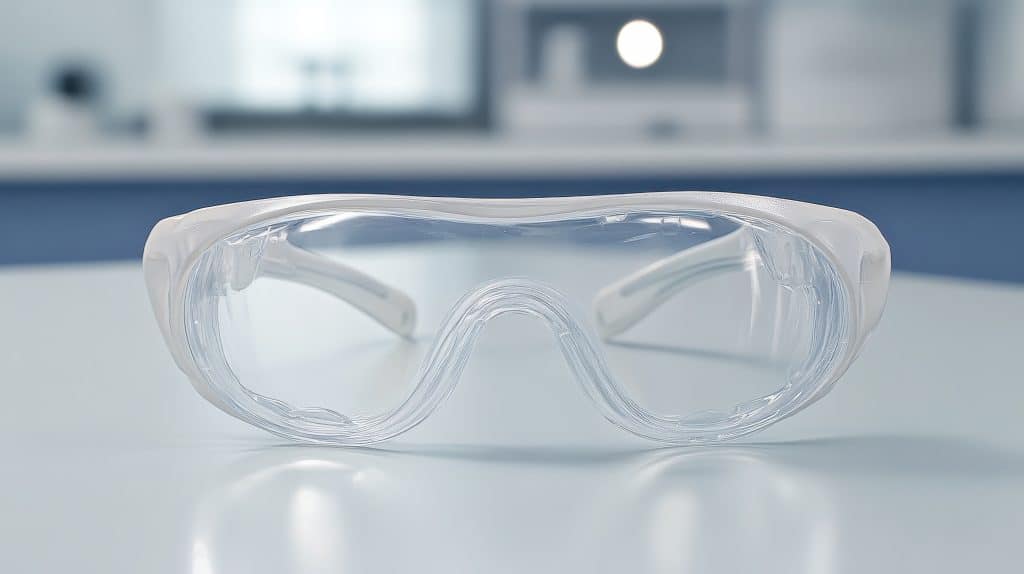
    Polycarbonate is known for its outstanding strength and optical clarity, making it suitable for lenses, safety equipment, and electronic housings. It withstands high temperatures and offers excellent dimensional stability during molding.

Modern car rear LED brake taillight showcasing red stop lighting and ambient illumination with decorative ABS plastic frame design
Clear safety goggles on a white surface indoors

Ready to Move from Design to Production?

Injection Molding Done with Expertise — Not Just Automation
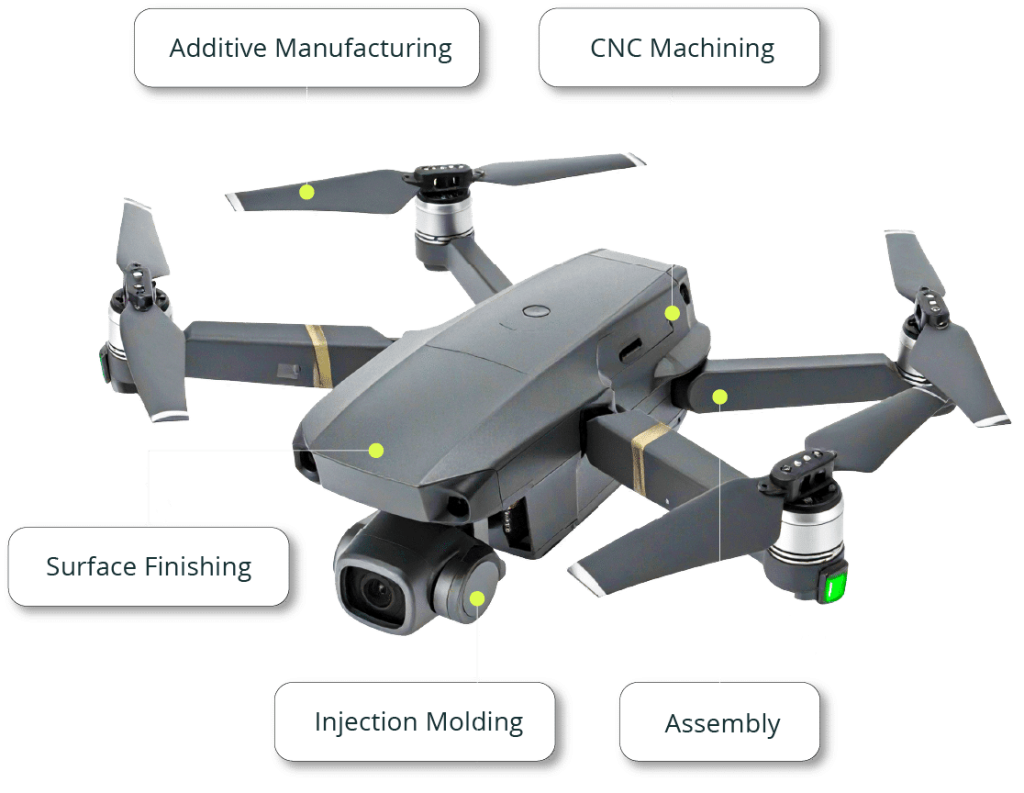
Fast quoting is just the beginning. At Fathom, you get real engineering insight, proactive DFM guidance, and a streamlined path from prototype to full production — all backed by hands-on manufacturing experience.

Request a Quote Now
Drone_CTA

Thermoplastic Injection Molding FAQs

Answers to common questions

Q.
What is thermoplastic injection molding?

A.

Thermoplastic injection molding is a manufacturing process where melted plastic is injected into a mold to produce precise, repeatable parts. Once cooled, the plastic solidifies into the final shape.


Q.
What materials can be used in thermoplastic injection molding?

A.

Common materials include ABS, polypropylene, polycarbonate, nylon, and polyethylene. Each material offers different mechanical, thermal, and chemical properties to fit specific applications.


Q.
How long does the injection molding process take?

A.

Cycle times typically range from a few seconds to a couple of minutes depending on part size, material, and design. Shorter cycle times are common for smaller, simpler parts.

Q.
Why is injection molding cost-effective for high-volume production?

A.

While molds can be expensive to build, once they are completed, the cost per part is very low. This makes injection molding ideal for producing tens of thousands—or even millions—of identical parts.

Q.
What types of products are typically made with thermoplastic injection molding?

A.

The process is used for automotive components, medical devices, electronics housings, household goods, industrial parts, and packaging. Essentially, any high-volume plastic component can be made using this method.

Q.
Can injection-molded parts have complex shapes or fine details?

A.

Yes, injection molding allows for highly detailed and complex geometries, including thin walls, textures, and intricate features. The mold’s precision ensures consistent replication of details in every cycle.

Q.
What are common issues or defects in injection molding?

A.

Defects can include warping, sink marks, voids, short shots, and surface imperfections. These issues are typically caused by improper mold design or incorrect processing parameters and can be corrected with proper adjustments.

Q.
How long does an injection mold last?

A.

A high-quality steel mold can last hundreds of thousands to millions of cycles if properly maintained. Mold longevity depends on materials used, processing conditions, and maintenance practices. With proper maintenance, a single mold can support long-term production programs and deliver consistent part quality over many years.

Thermoplastic Injection Molding – Additional Resources

Why Our Customers Trust Fathom

Low Cost
We leverage global manufacturing to lower costs
High Quality
Our quality systems ensure that your parts are the highest quality possible
Quick Turnaround
From quotation to shipping, we’ll meet your timing requirements
Online Quotes
Our online quotation system provides INSTANT quotes

Launch Your Injection Molding Project with Confidence

Partner with Experts Who Get It Right the First Time
Every project is reviewed by a seasoned manufacturing engineer to optimize part design, material selection, and tooling strategy — ensuring smarter decisions before steel is cut and production begins.

Start My Quote
Robot_Hand_CTA