Consumer Electronics
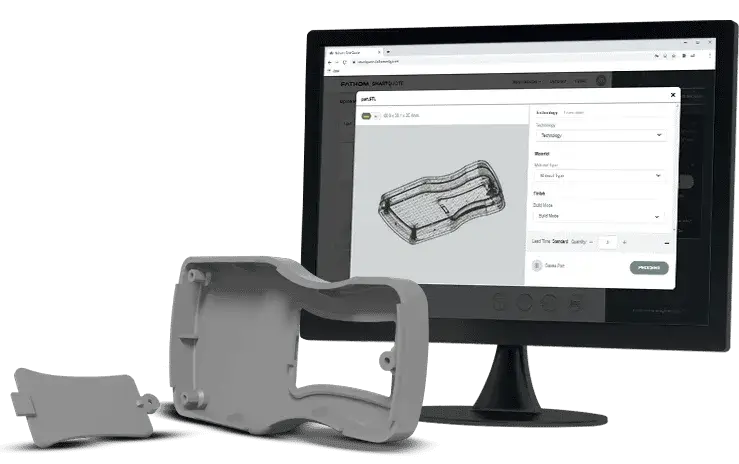
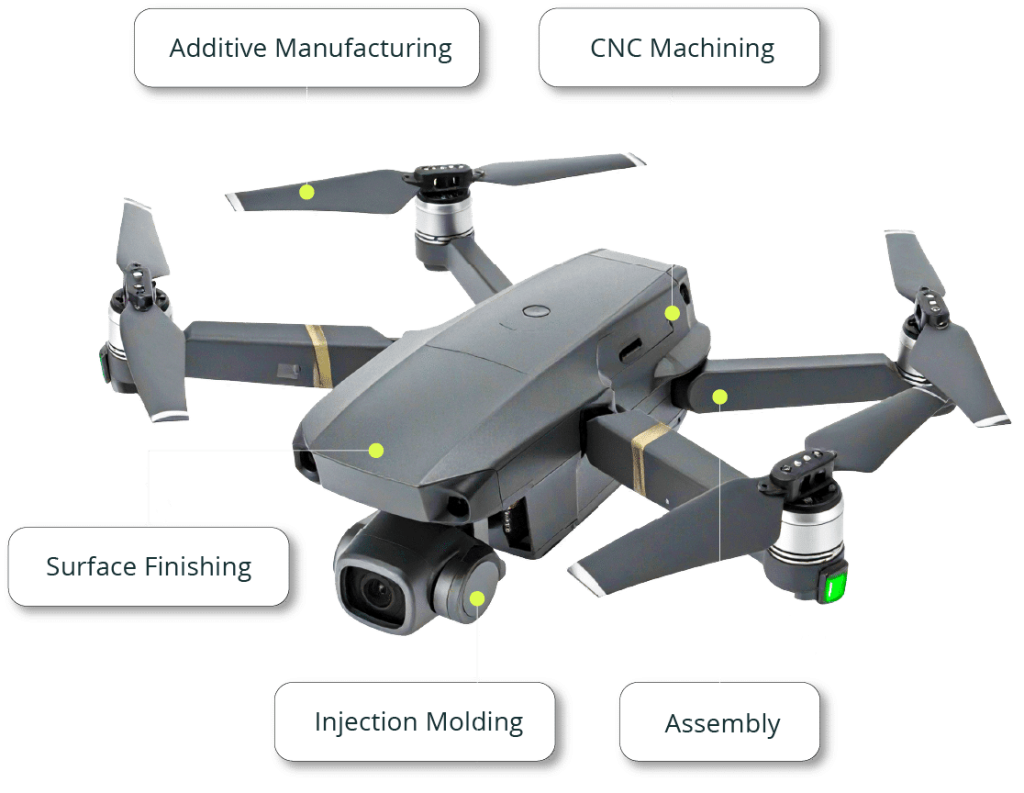
Injection molding is used to create housings, buttons, and internal components for products like smartphones, laptops, and remote controls. It provides the precision and consistency required for tight-fitting assemblies.
Automotive Components
Many car parts—such as dashboards, clips, interior panels, and under-hood components—are made through injection molding. The process supports durable materials that withstand heat, vibration, and mechanical stress.
Medical Devices
Syringes, housings, testing cartridges, and other medical-grade components are commonly injection-molded. The process supports sterile materials and high-volume production needed for healthcare applications.
Packaging
Caps, lids, containers, and other rigid packaging items rely on injection molding for speed and repeatability. It enables lightweight, cost-efficient products produced in massive quantities.
Household Products
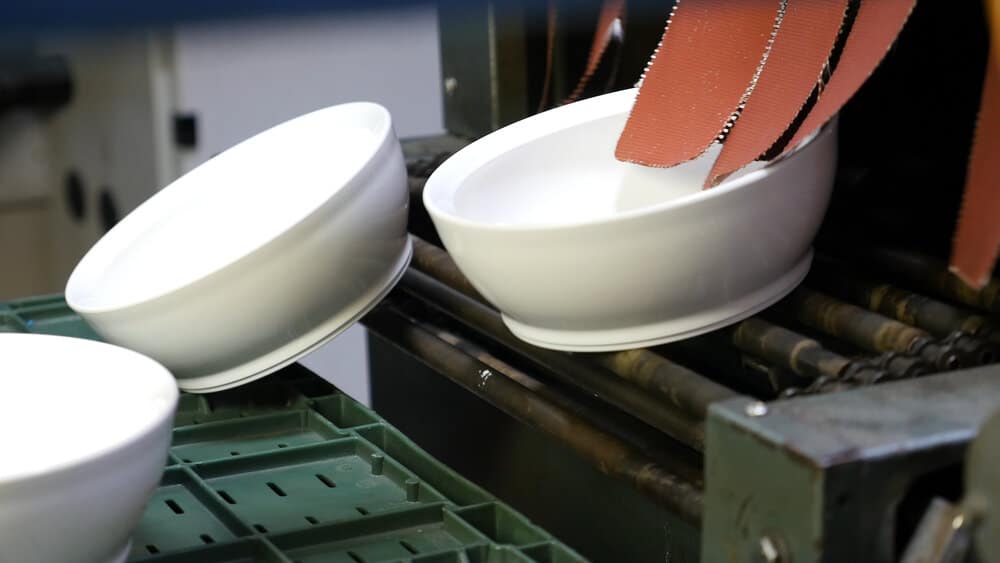
Items like kitchen tools, storage bins, toys, and appliance components are frequently injection-molded. The method supports bright colors, ergonomic designs, and durable everyday use.
Industrial and Mechanical Parts
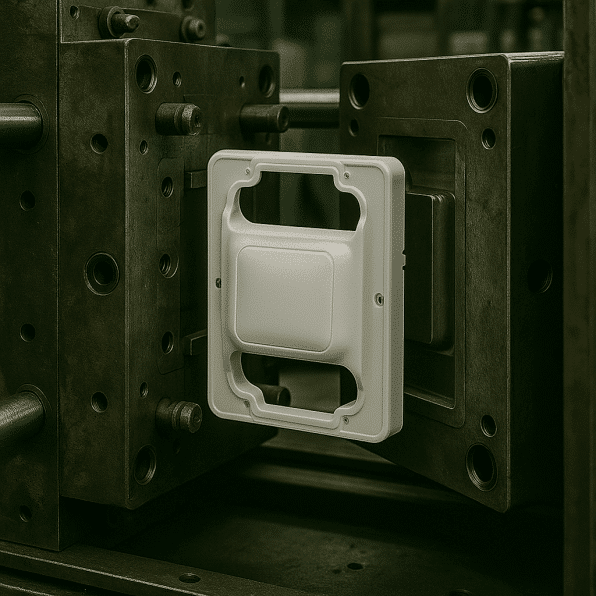
Gears, brackets, fasteners, and custom enclosures are produced through injection molding for industrial equipment. The process delivers strength, precision, and material customization for demanding environments.