Consumer Electronics
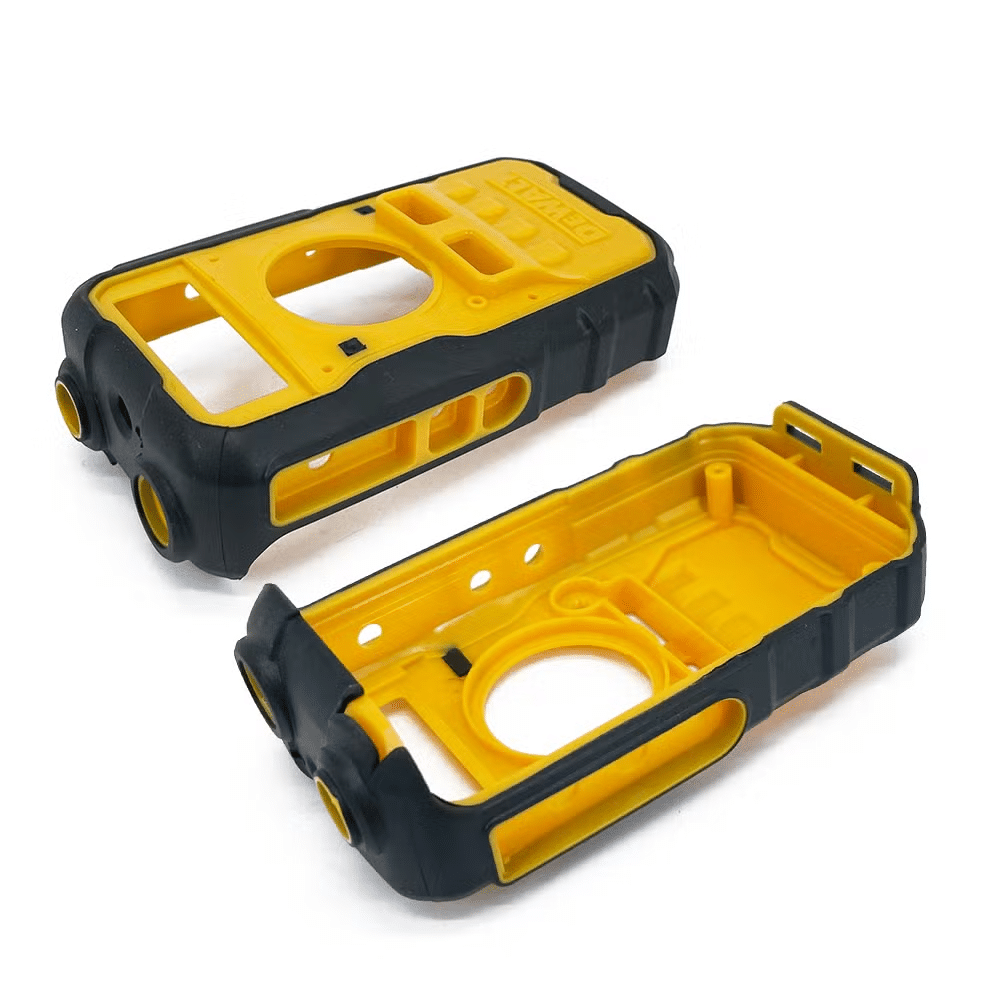
Overmolding is widely used to create soft-touch grips and protective surfaces on devices like headphones, controllers, and handheld electronics. It also provides shock absorption and improves durability without needing extra assembled parts.
Power Tools and Industrial Equipment
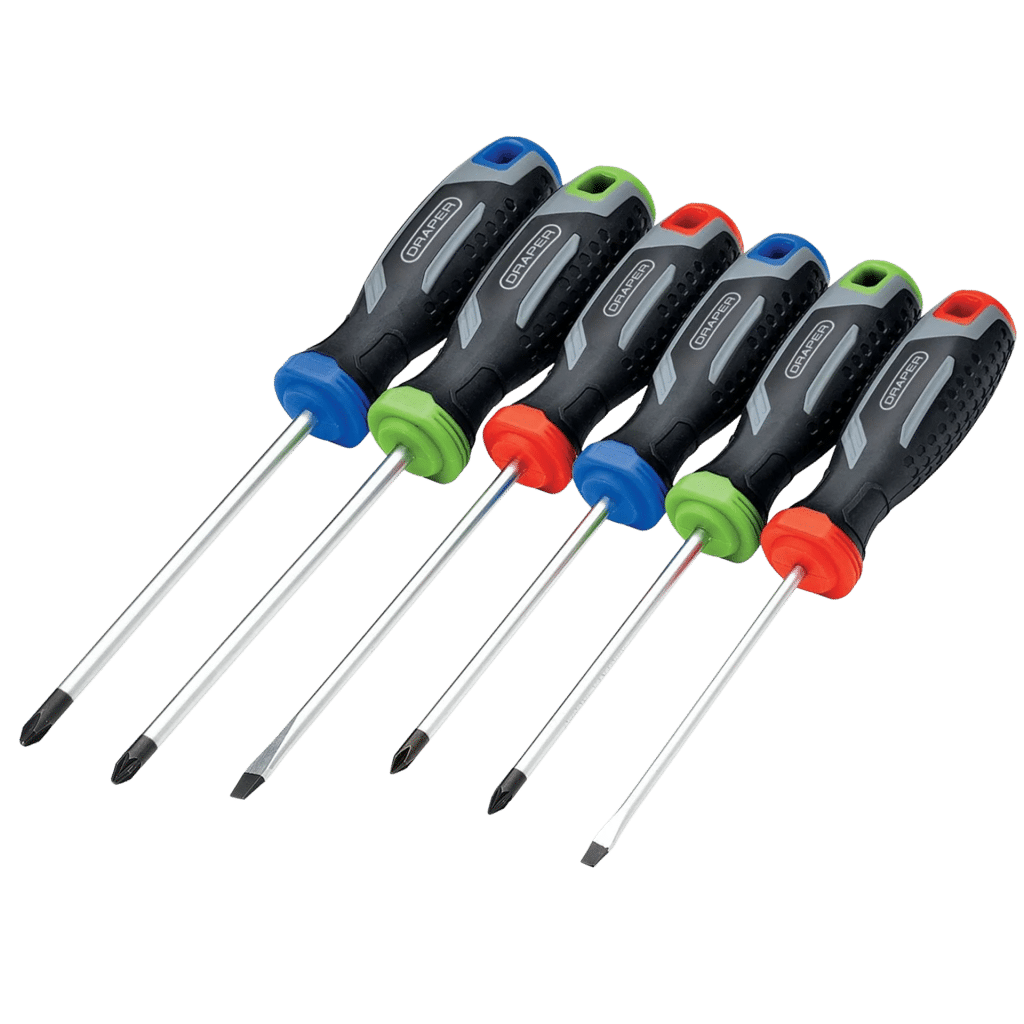
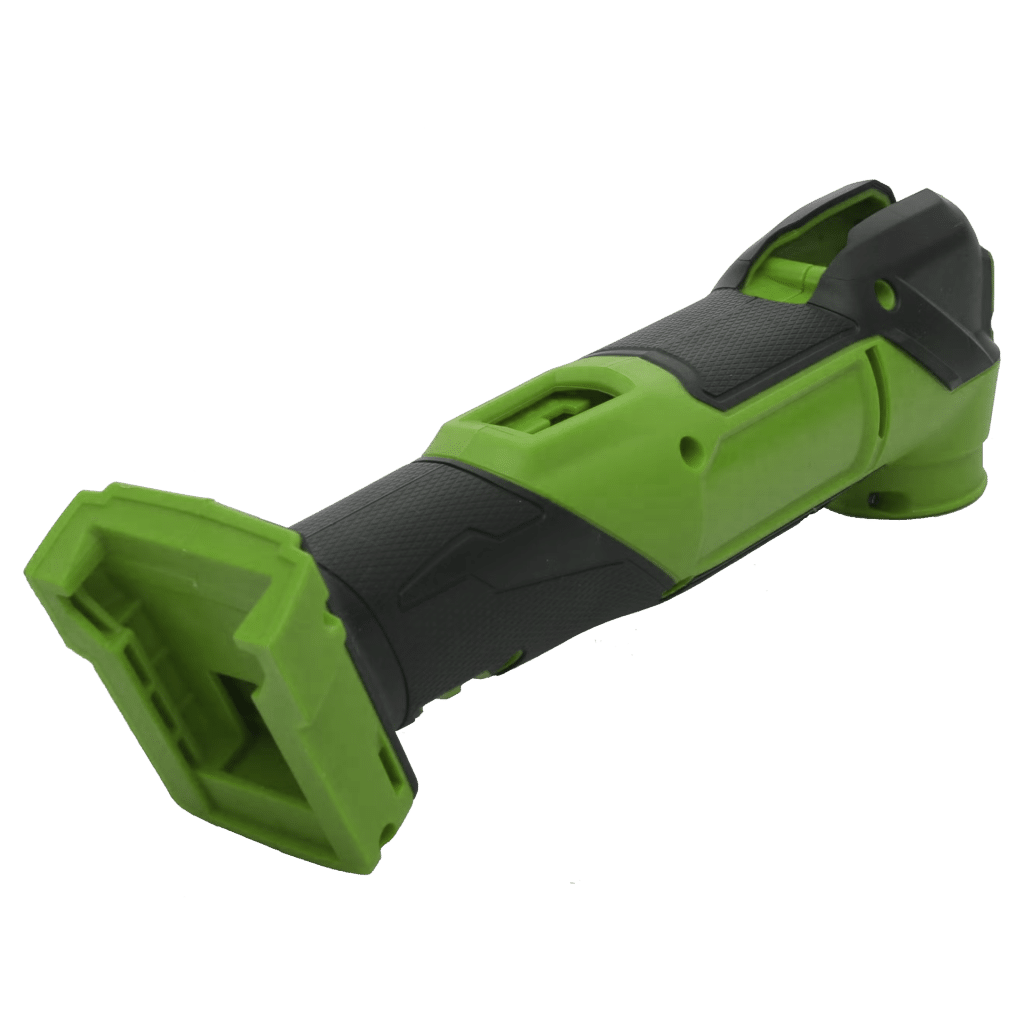
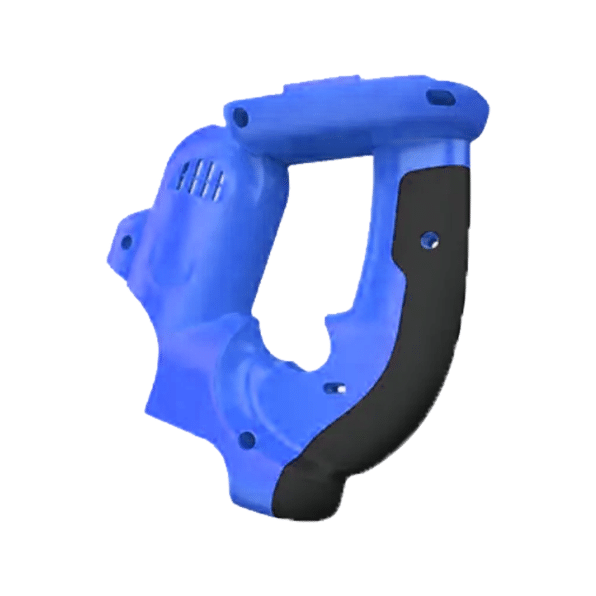
Tool handles, grips, and trigger areas often use overmolded elastomers for comfort and slip resistance. This enhances safety and reduces user fatigue during prolonged use.
Medical Devices
Surgical instruments and handheld diagnostic tools frequently use overmolding to improve ergonomics and tactile feedback, and it helps create seamless, easy-to-sanitize surfaces that prevent contamination.
Automotive Interior and Exterior Components
Interior knobs, buttons, and handles commonly incorporate overmolding for grip and aesthetic refinement. Exterior trim components may also use overmolding to improve weather resistance and vibration damping.
Electrical Connectors and Cable Assemblies
Overmolding provides strain relief and environmental protection for connectors, plugs, and cables. It seals components from moisture and mechanical stress, increasing long-term reliability.
Sporting Goods and Personal Accessories
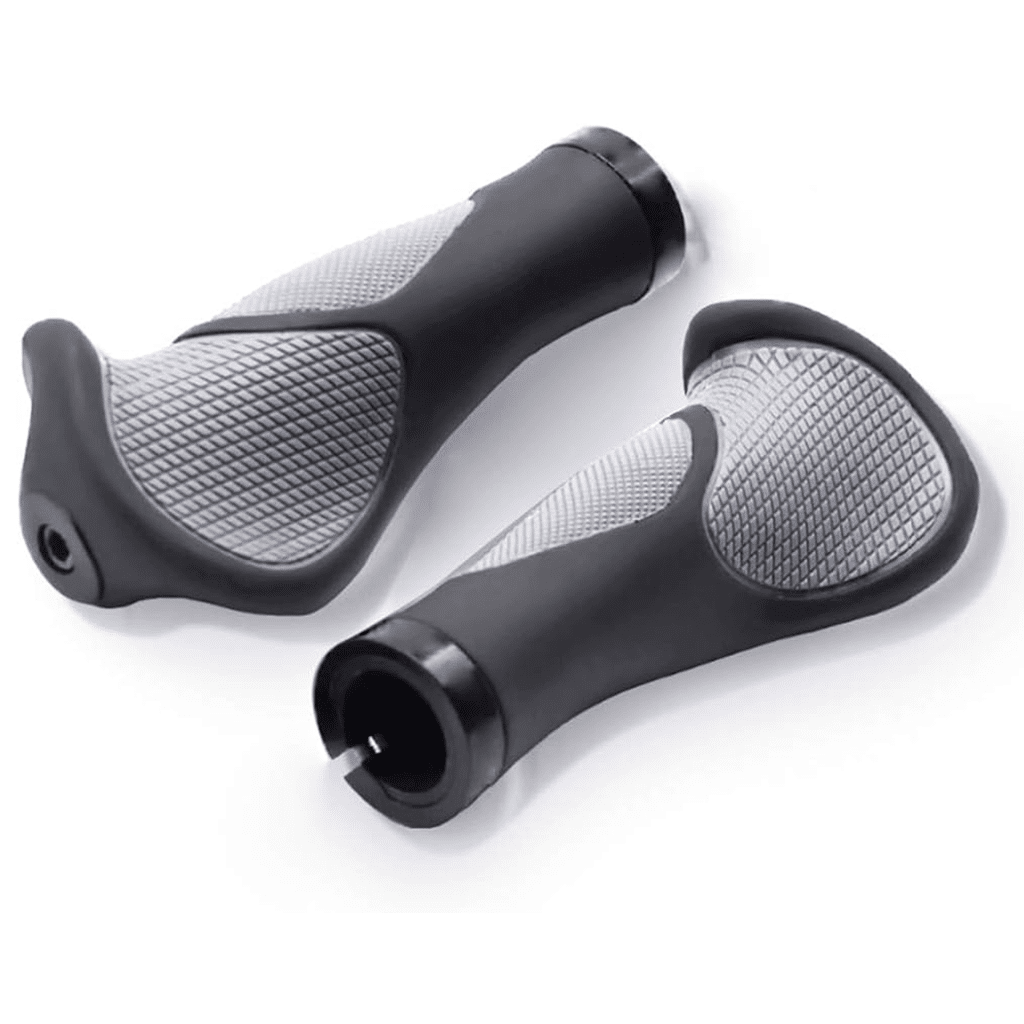
Products like bicycle handles, toothbrushes, and razors use overmolding for comfort, grip, and visual differentiation. It allows brands to add functional zones and appealing textures without secondary processes.