Skip to content

Rapid Prototype Molds

Get production-quality parts faster with cost-effective tooling designed for early-stage validation
  • Fast Turnarounds for Prototype Tooling & Parts

  • Lower Cost Than Full Production Molds

  • Enables Accurate Testing & Evaluation

Get your 30 Second Quote

What Are Prototype Molds?

Prototype molds are injection molds designed for short production runs that allow teams to test a part’s form, fit and function using real production materials.

They’re faster and more cost-effective than full production molds, making them ideal for early validation before scaling up. These molds can also serve as bridge tooling while production molds are being finalized.

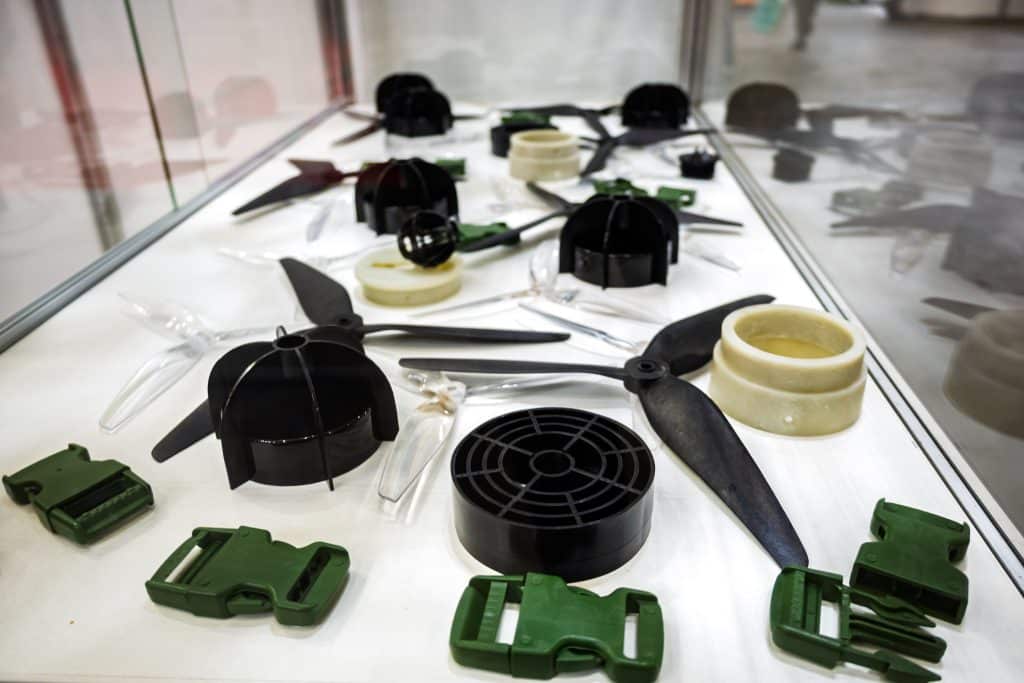
Assortment of plastic prototype parts displayed on a white surface, including drone propellers, cylinders, and green buckles, showcasing manufacturing samples or 3D printed components.

What Is the Process for Prototype Molds?

01 Instant Online Quote & Order Submission

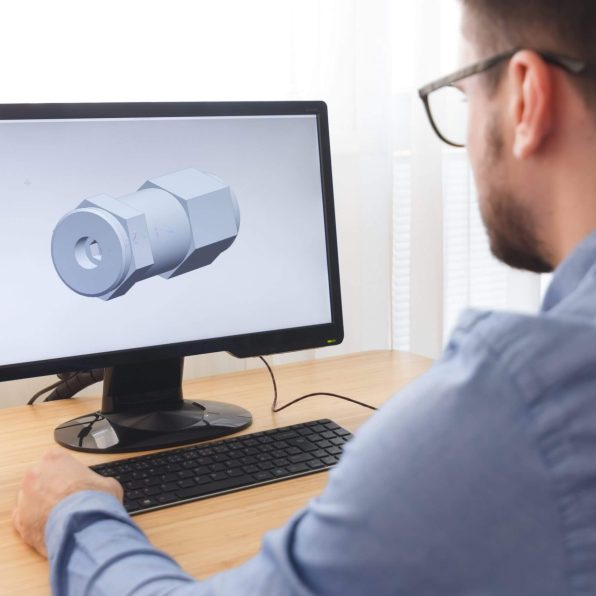
Upload your 3D CAD file to Fathom’s online system to get a fast, automated quote for both the prototype mold and parts. Then place your order to launch the process.

Engineer, Constructor, Designer in Glasses Working on a Personal Computer. He is Creating, Designing a New 3D Model of Mechanical Component in CAD Program. Freelance Work
02 Design Review & Mold Build

Fathom engineers review your design for manufacturability and, once approved, begin building the prototype injection mold using soft tool steel and rapid tooling processes.

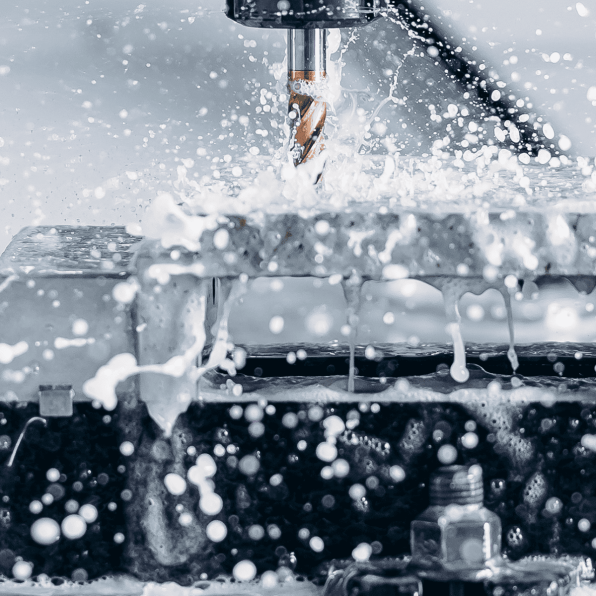
cnc_machine
03 Sample Review & Part Production

After the mold is completed, sample parts are produced for your approval. As soon as you sign off, prototype part production begins.


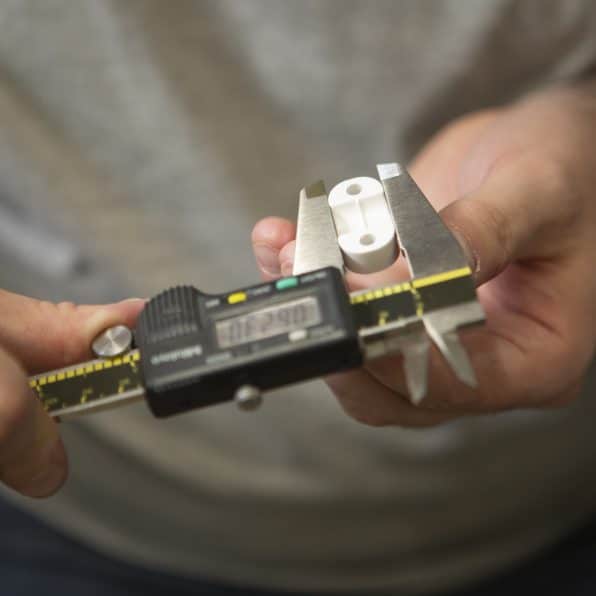
IMG_0055_1
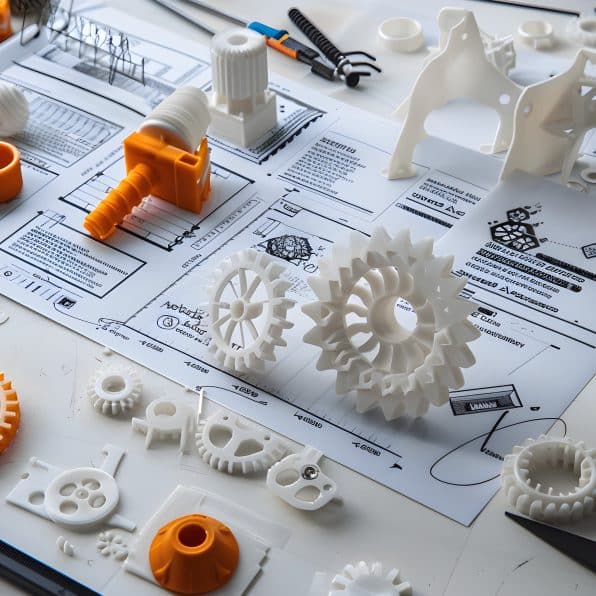
Pièces Imprimées en 3D et Plans de Conception

What Do Prototype Molds Make Possible?

Prototype molds make it possible to produce true injection-molded parts early in the development process, using the same materials, tolerances and processes planned for full production. This allows teams to accurately evaluate form, fit, function and performance.

They also enable faster iteration and lower risk before committing to production tooling. By validating designs, materials and part performance, prototype molds help shorten development timelines and reduce costly design changes later.

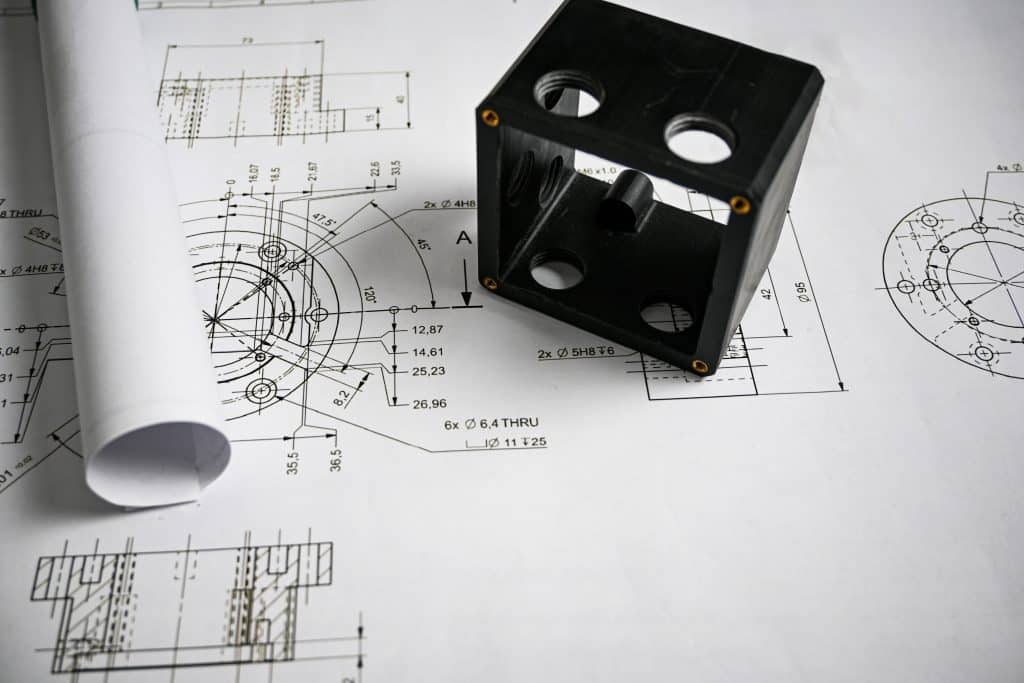
Black plastic prototype lying on technical drawing with measurements, showcasing precision and engineering

Pros & Cons of Prototype Molds

Advantages

  • Faster Lead Times

    Prototype molds can be built more quickly than full production molds, allowing teams to get parts for testing sooner.

  • Lower Upfront Cost

    They are significantly less expensive than hardened production tooling, making them ideal for early-stage new product development.

  • Real Production Materials

    Prototype molds allow parts to be molded in the same commercial-grade materials intended for the final parts.

  • Functional Testing & Validation

    They make it possible to evaluate form, fit, and function with high accuracy before committing to mass production.

  • Bridge to Full Production

    Prototype molds can serve as temporary tooling to produce parts while final production molds are still being completed.

Disadvantages

  • Shorter Mold Life

    Prototype molds are typically made from softer steel and are not designed to last as long as production molds.

  • Limited Volume Capability

    They are best for low-volume runs and may not handle high production quantities efficiently.

  • Less Suitable for Long-Term Cost Efficiency

    While less expensive upfront, prototype molds may become more expensive per part if used beyond their intended cycle range.

Launch Your Injection Molding Project with Confidence

Partner with Experts Who Get It Right the First Time
Every project is reviewed by a seasoned manufacturing engineer to optimize part design, material selection, and tooling strategy — ensuring smarter decisions before steel is cut and production begins.

Start My Quote
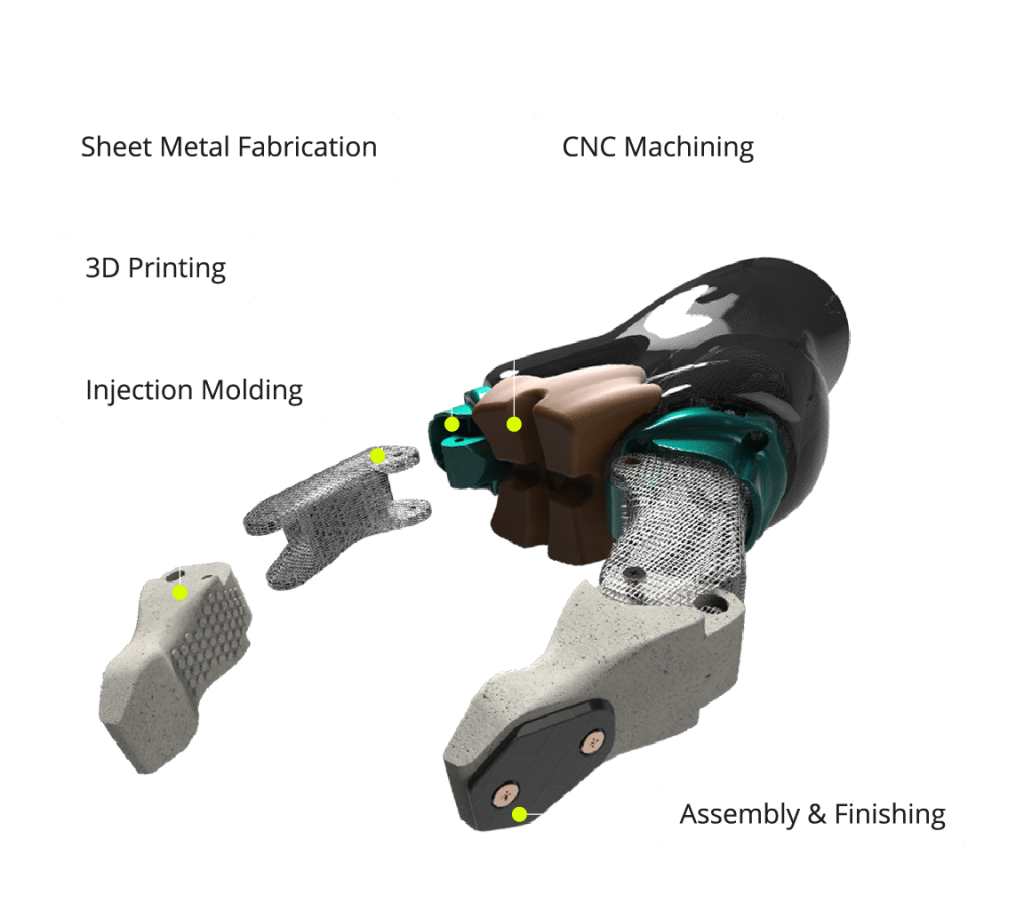
Robot_Hand_CTA

Common Applications for Prototype Molds

  • Functional Prototyping

    Produce real injection-molded parts to test form, fit and function, allowing engineers and designers to validate performance before full production.

  • Low-Volume Production Runs

    Create small batches of parts efficiently and cost-effectively for early product releases, pilot programs or limited-run needs.

  • Bridge Tooling Between Development & Production

    Prototype molds can serve as temporary tooling to supply parts while full production molds are being completed or updated.

  • Design Iteration & Modification Support

    They enable quick mold rework and rapid design iteration so changes can be tested and implemented without the expense of full production tooling.

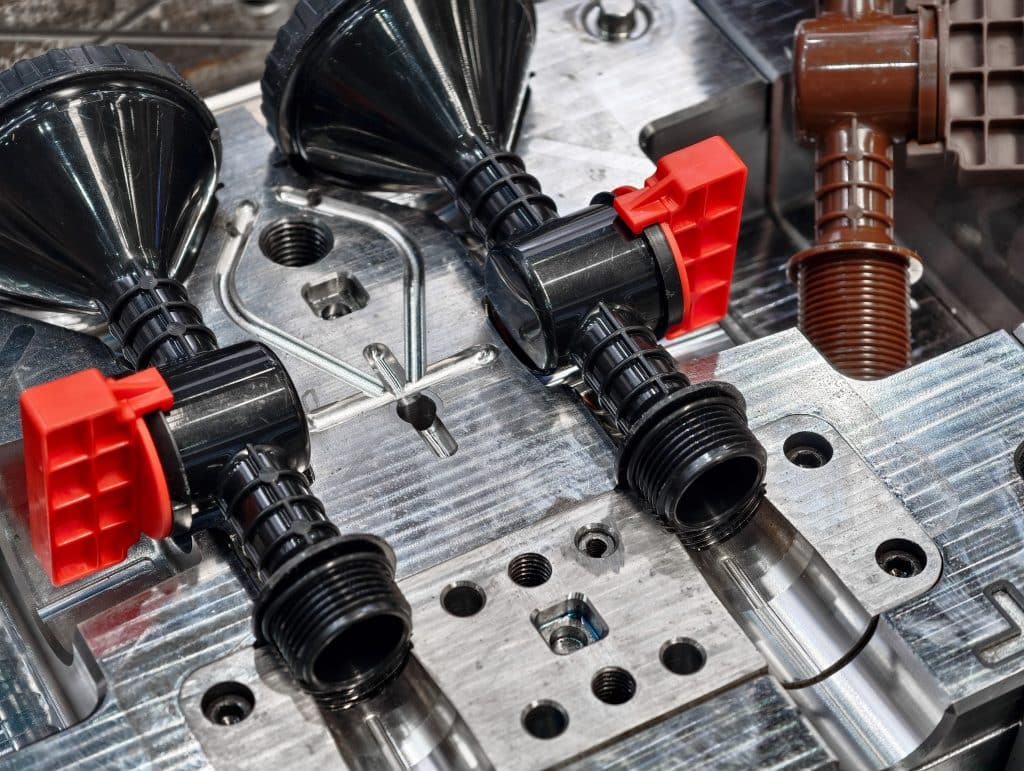
Metal molds for plastic injection molding showcase intricate design and precise engineering in a manufacturing facility

Materials Used for Prototype Molds

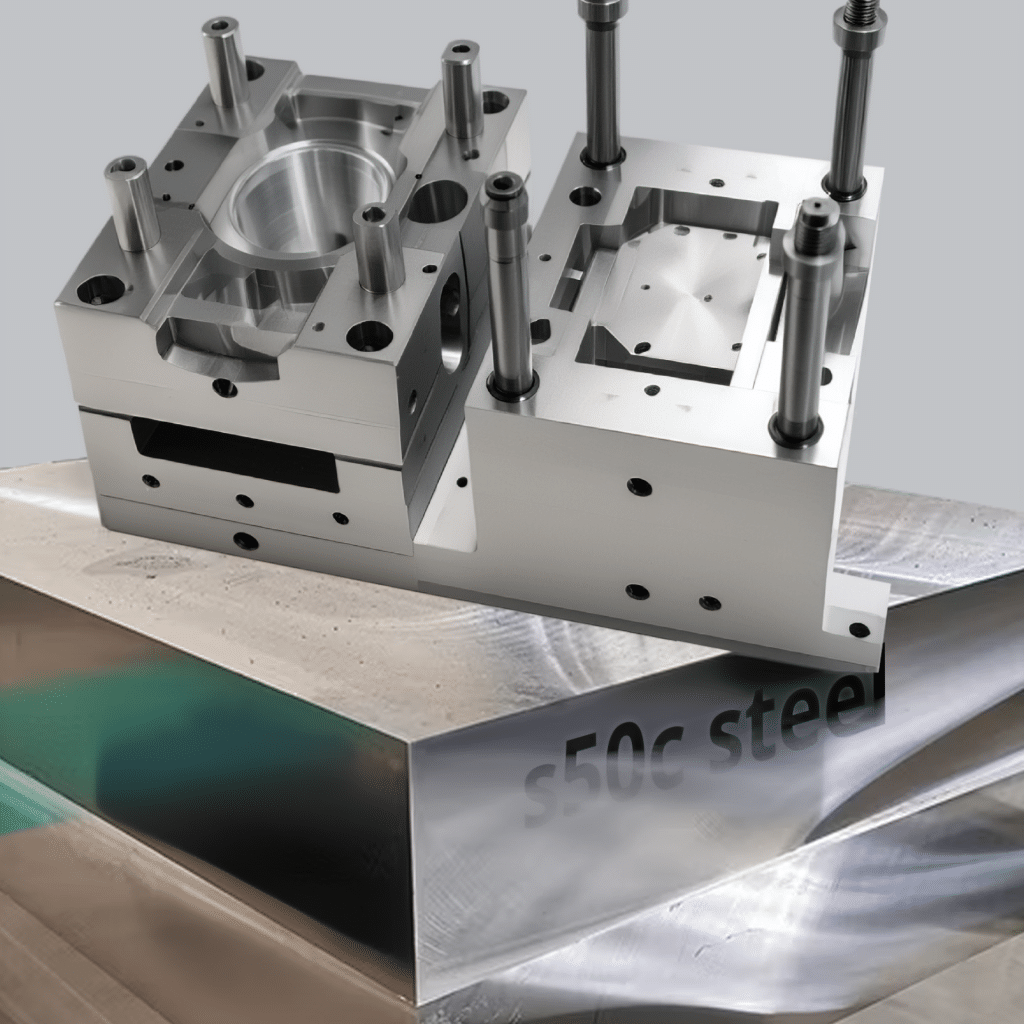
Prototype molds are made from softer tool steels which are easier and faster to machine compared to hardened production mold steels. They enable quick builds and easier design modifications, and allow the prototype molds to produce functional parts for testing.

Typical prototype mold steels include:

  • S50C
  • P20
injection moulding s50c steel.jpeg

Ready to Move from Design to Production?

Injection Molding Done with Expertise — Not Just Automation
Fast quoting is just the beginning. At Fathom, you get real engineering insight, proactive DFM guidance, and a streamlined path from prototype to full production — all backed by hands-on manufacturing experience.

Request a Quote Now
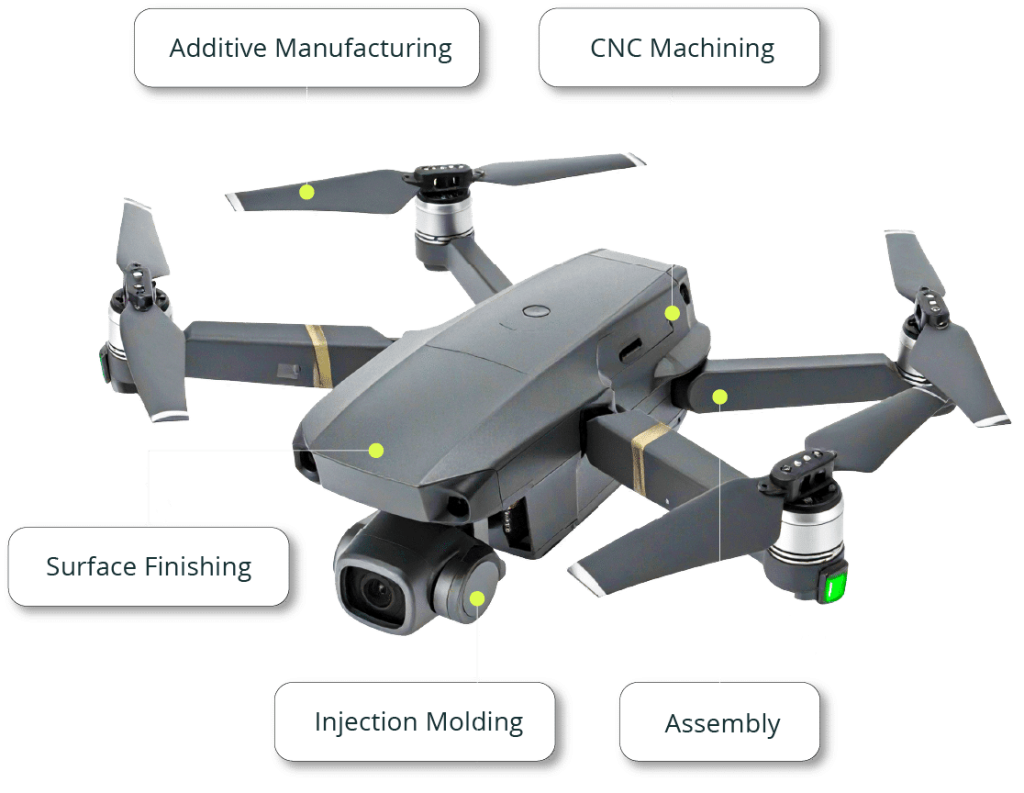
Drone_CTA

Prototype Molds FAQs

Common questions answered to help you choose the right mold for your project

Q.
What is a prototype mold?

A.

A prototype mold is an injection mold built quickly to produce real plastic parts for testing form, fit and function before full production tooling is made.


Q.
How long will a prototype mold last?

A.

Prototype molds are warrantied for at least 10,000 cycles, which is less than production molds but enough for evaluation and low-volume production runs.


Q.
What materials are prototype molds made from?

A.

Fathom prototype molds are typically made from softer tool steels such as S50C or P20, which allow for faster machining, lower cost and easier mold modifications compared to hardened production tooling.


Q.
How quickly can I get prototype parts?

A.

Fathom’s process uses rapid tooling and instant online quoting, allowing prototype molds and parts to be delivered much faster than traditional production tools.


Q.
Can prototype molds serve as bridge tooling?

A.

Yes, prototype molds can be used as bridge tooling to fill production needs while full production molds are being completed.


Q.
What kinds of parts can prototype molds produce?

A.

Prototype molds can produce plastic prototypes and low-volume parts for functional testing, evaluation and pre-production needs.


Q.
Do I need special plastic materials for prototype molding?

A.

No. Prototype molds can use any commercially available injection-moldable material, giving flexibility for material testing.


Q.
Is a design review part of the process?

A.

Yes. Fathom engineers review your design for manufacturability before building the prototype mold, helping avoid issues later in the production process.


Q.
How does prototype molding save time and money?

A.

By producing molds and parts quickly with soft tool steel and online quote tools, prototype molding reduces tooling cost and shortens development cycles compared to full production tooling.


Why Our Customers Trust Fathom

Low Cost
We leverage global manufacturing to lower costs
High Quality
Our quality systems ensure that your parts are the highest quality possible
Quick Turnaround
From quotation to shipping, we’ll meet your timing requirements
Online Quotes
Our online quotation system provides INSTANT quotes

Launch Your Injection Molding Project with Confidence

Partner with Experts Who Get It Right the First Time
Every project is reviewed by a seasoned manufacturing engineer to optimize part design, material selection, and tooling strategy — ensuring smarter decisions before steel is cut and production begins.

Start My Quote
Robot_Hand_CTA