
Skip to content

Master Unit Die (MUD®) Quick-Change System

  • Standard MUD Frames (Base)

  • Interchangeable MUD Inserts (Core & Cavity)

  • Quick-Change Capability

Get your 30 Second Quote

What is a Master Unit Die?

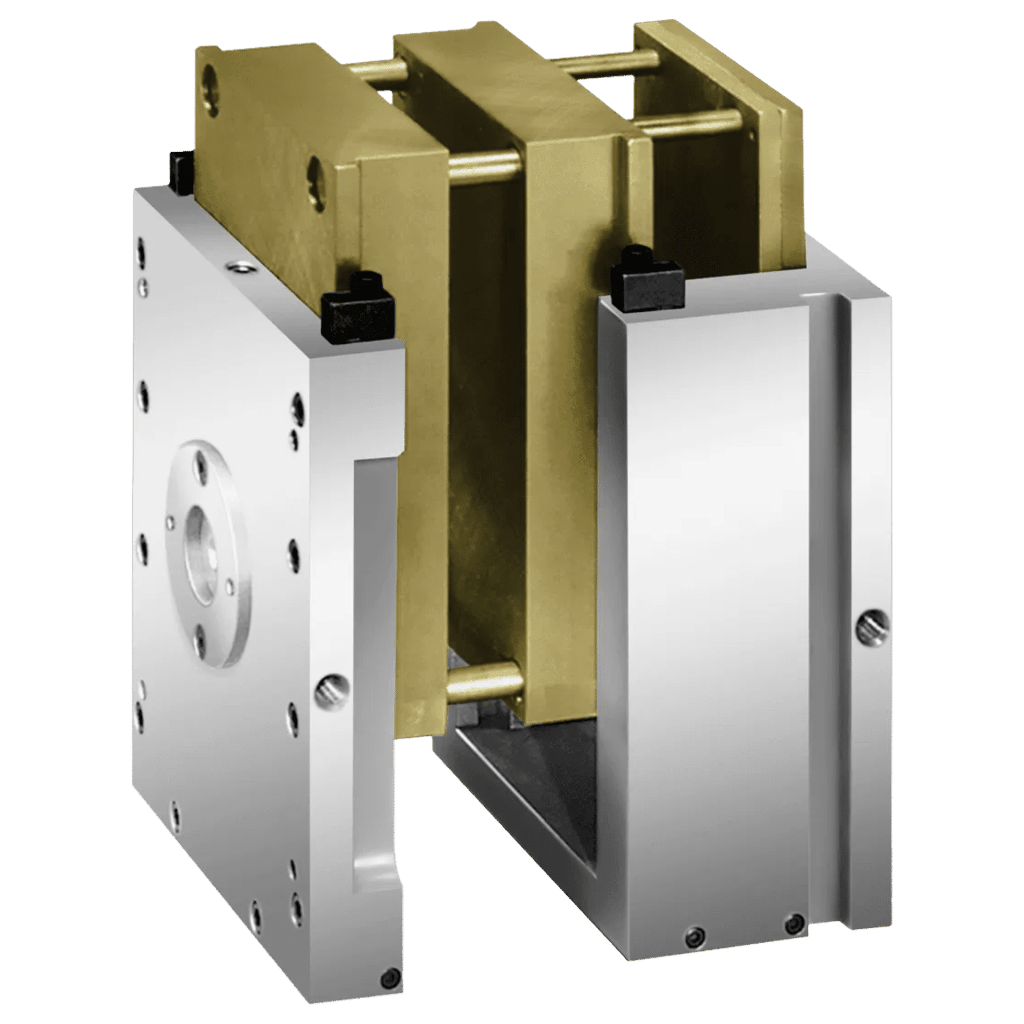
The Master Unit Die Quick-Change System is a modular interchangeable mold base and insert tooling platform used in plastic injection molding.

In this system, a standardized frame (mold base) stays mounted in the injection molding machine, while interchangeable core and cavity inserts can be swapped in and out quickly.

This modular approach dramatically reduces downtime, simplifies changeovers (often in minutes with no special equipment), and lowers tooling investment because only the inserts need to be replaced or modified rather than an entire custom mold and base.

mud-square

What is the Process for MUD?

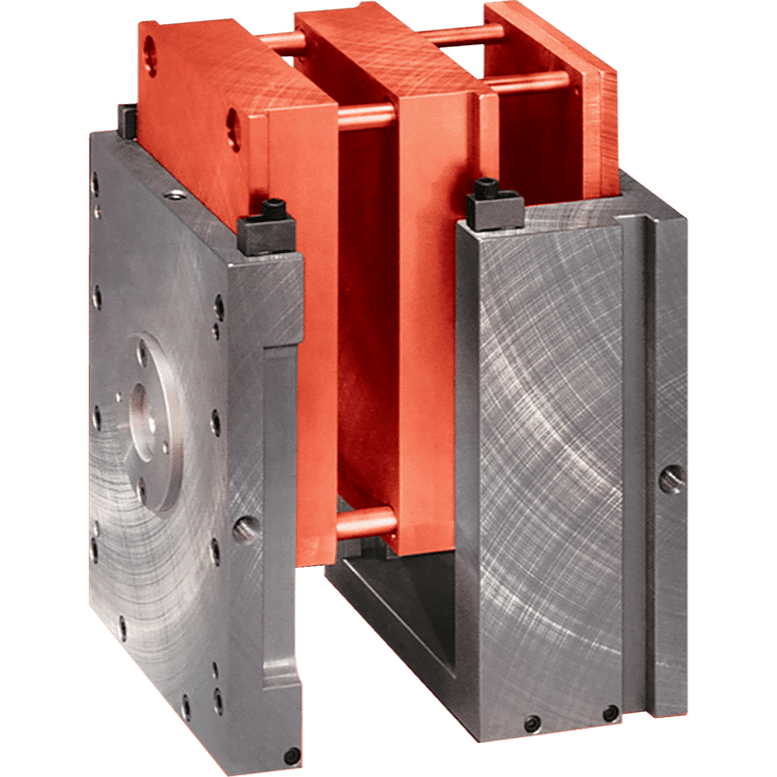
01 Install the MUD Frame

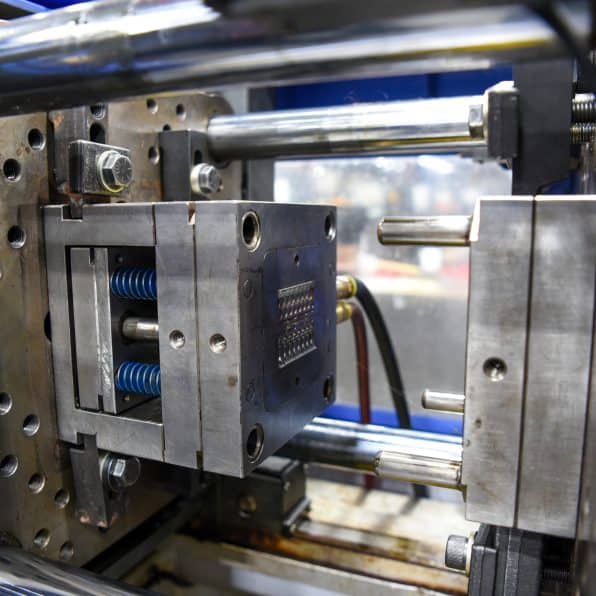
A standardized MUD mold base (frame) is mounted in the injection molding machine once, serving as the permanent housing for interchangeable tooling.

IMG_0050
02 Insert the Modular Tooling

A companion insert containing the specific core and cavity for the part design is placed into the installed MUD frame. It is locked into position quickly and securely.

Mold in injection
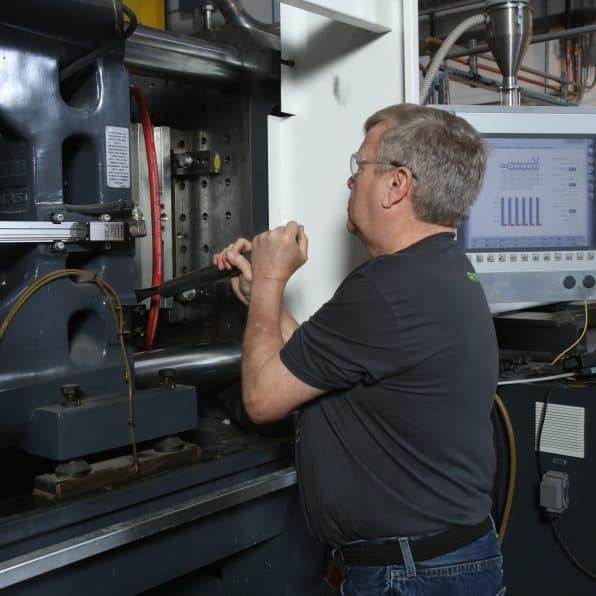
03 Mold and Change Over

The press produces parts using the installed mold tool. When the tool needs to be changed to run different parts, the insert is unlocked and removed. A new one is installed and is ready to produce parts, often in a matter of minutes.


A photo of pet grooming products lined up on a shelf.

What Does MUD Make Possible?

Fathom’s MUD system reduces mold changeover time, lowers tooling costs, and increases flexibility in plastic injection molding. By keeping a standardized mold base in the press and swapping only interchangeable core and cavity inserts, we can set up a press to run your parts in minutes instead of hours. This modular approach supports short production runs, rapid prototyping and lean manufacturing while minimizing downtime and capital investment.

Pros & Cons of MUD

Advantages

  • Faster Changeovers

    Inserts can be swapped in minutes while the mold base stays in the press, reducing downtime.

  • Lower Tooling Cost

    Only the insert needs to be built for new parts, avoiding the expense of full custom mold bases.

  • Greater Production Flexibility

    Ideal for short runs, bridge tooling and frequent part changes in the same press.

  • Standardized Mold Platform

    Using a common frame simplifies maintenance, storage and overall tooling management.

Disadvantages

  • Insert Size Limitations

    Parts are constrained by the standardized frame dimensions, which may not suit very large molds.

  • Upfront Frame Investment

    The master unit die frame requires an initial purchase before inserts can be used.

  • Not Ideal for High-Volume Dedicated Runs

    For long-term mass production, a dedicated full mold may be more cost-effective.

Launch Your Injection Molding Project with Confidence

Partner with Experts Who Get It Right the First Time
Every project is reviewed by a seasoned manufacturing engineer to optimize part design, material selection, and tooling strategy — ensuring smarter decisions before steel is cut and production begins.

Start My Quote
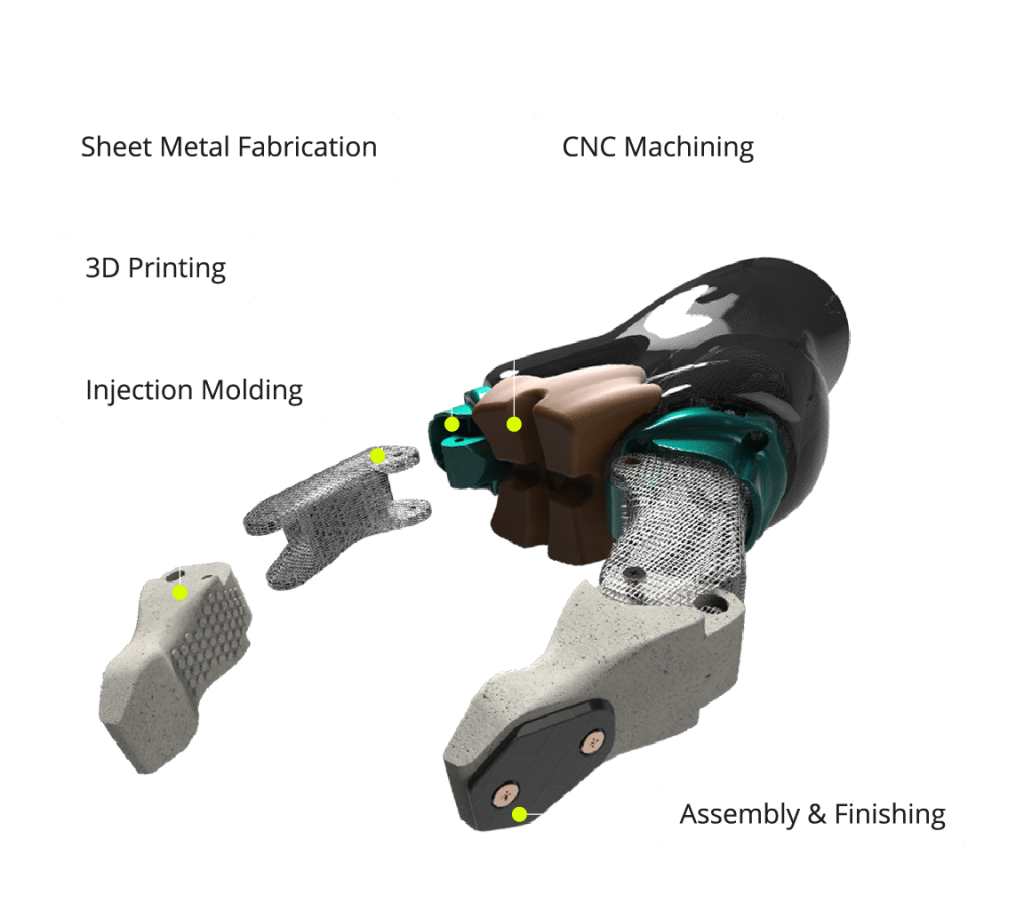
Robot_Hand_CTA

Common Applications for MUD

  • Rapid Prototyping

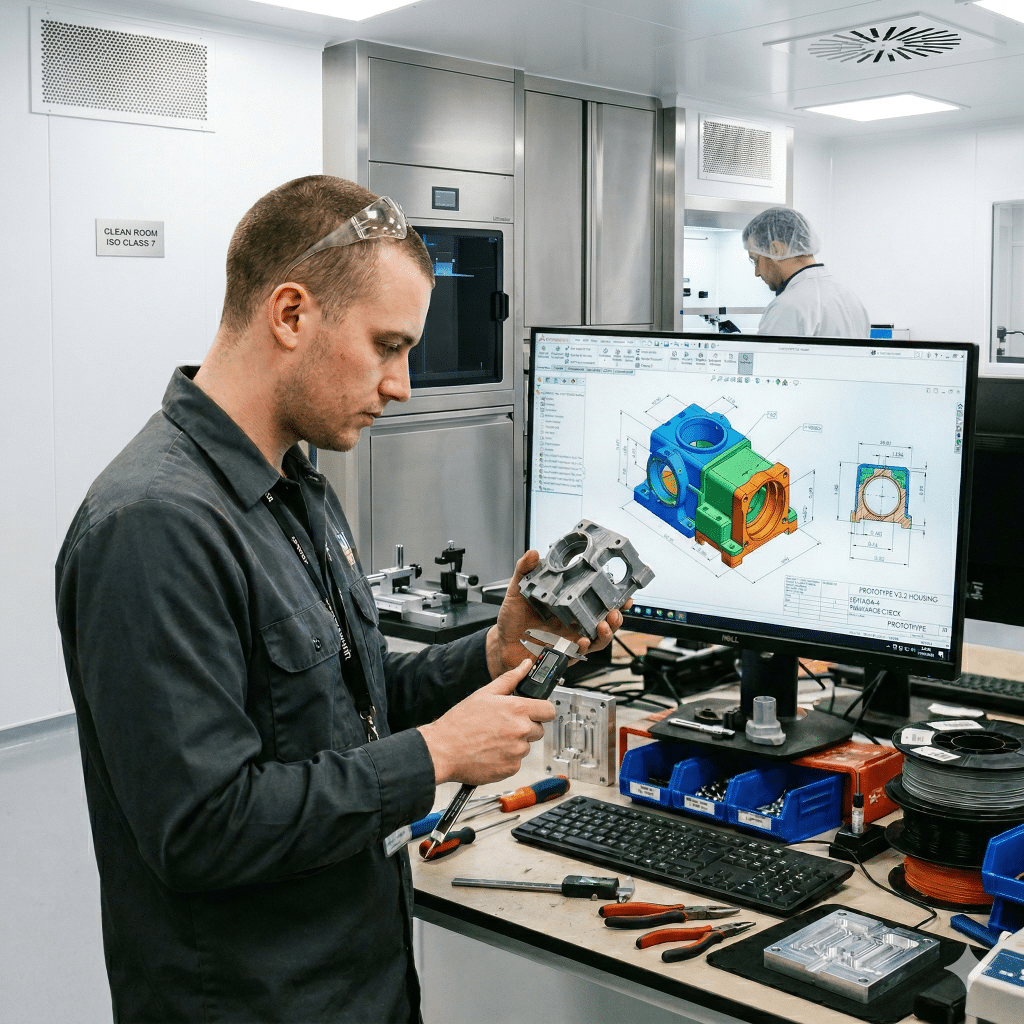
    Enables quick production of molded prototype parts without investing in a full custom mold base.

  • Bridge Tooling

    Supports short-term production while a dedicated high-volume production mold is being built.

  • Low-Volume Production Runs

    Cost-effective solution for limited quantities where full mold tooling would be too expensive.

  • Product Development & Iteration

    Allows engineers to test design revisions by swapping inserts rather than rebuilding entire molds.

  • Multi-Part Family Programs

    Ideal for manufacturers running multiple small parts in the same press, switching inserts as production demands change.

Gemini_Generated_Image_5wyz2w5wyz2w5wyz-im-for-prototyping
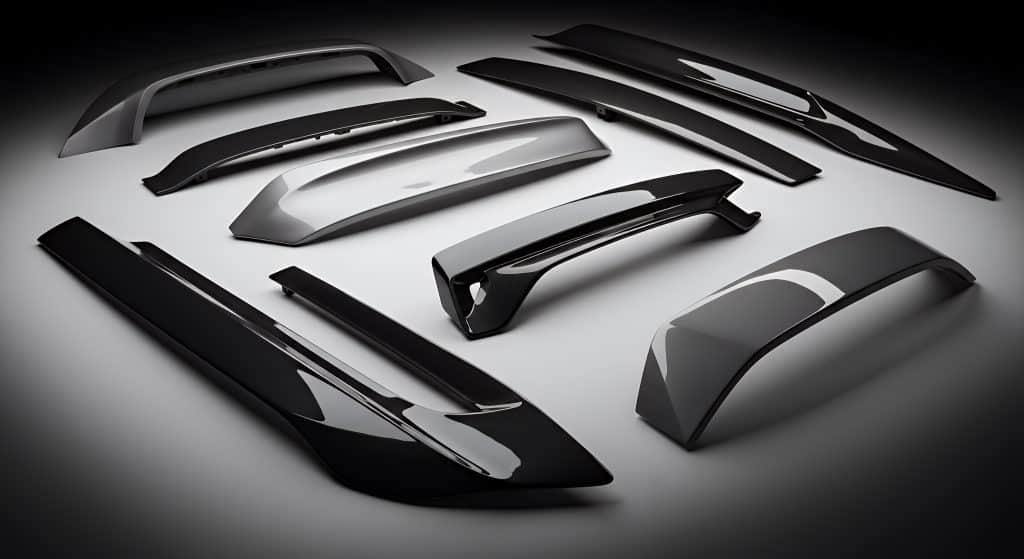
Sleek Black Automotive Exterior Body Panels on Gray Surface

Materials Used for for MUD

Our MUD system uses durable mold tooling materials designed for repeated insert changeovers and long-term injection molding performance.

  • Hardened steel frames provide a strong, reusable mold base platform
  • Tool steel inserts form the core and cavity geometry for each specific part
  • Aluminum inserts may be used for prototype or short-run applications

Ready to Move from Design to Production?

Injection Molding Done with Expertise — Not Just Automation
Fast quoting is just the beginning. At Fathom, you get real engineering insight, proactive DFM guidance, and a streamlined path from prototype to full production — all backed by hands-on manufacturing experience.

Request a Quote Now
Drone_CTA

MUD FAQs

Answers about Fathom’s Master Unit Die process and capabilities

Q.
What is the MUD system?

A.

The Master Unit Die (MUD) system is a modular injection mold tooling platform that uses a standardized mold base with interchangeable inserts.


Q.
How does the MUD system work?

A.

A permanent frame stays mounted in the press while core and cavity inserts are swapped in and out for different part designs.

Q.
What are the main benefits of using MUD tooling?

A.

MUD reduces tooling cost, shortens changeover time and increases flexibility for short runs and multiple part programs.

Q.
Is the MUD system suitable for prototype molds?

A.

Yes, it is widely used for rapid prototyping because inserts can be produced quickly without building a full mold base.

Q.
Can MUD tooling be used for production parts?

A.

Absolutely – MUD is commonly used for low- to mid-volume production and bridge tooling applications.

Q.
How fast can inserts be changed?

A.

Inserts can typically be swapped in minutes, minimizing press downtime compared to full mold changeovers.

Q.
What materials are used in MUD frames and inserts?

A.

Frames are usually hardened steel, while inserts are made from tool steel or aluminum depending on volume and durability needs.

Q.
Are there size limitations with the MUD system?

A.

Yes, part size is limited by the standardized frame dimensions, so large molds may require dedicated tooling.

Q.
How does MUD compare to traditional injection molds?

A.

Traditional molds require a full custom base for each part, while MUD uses one reusable frame with interchangeable inserts, saving time and cost.

Why Our Customers Trust Fathom

Low Cost
We leverage global manufacturing to lower costs
High Quality
Our quality systems ensure that your parts are the highest quality possible
Quick Turnaround
From quotation to shipping, we’ll meet your timing requirements
Online Quotes
Our online quotation system provides INSTANT quotes

Launch Your Injection Molding Project with Confidence

Partner with Experts Who Get It Right the First Time
Every project is reviewed by a seasoned manufacturing engineer to optimize part design, material selection, and tooling strategy — ensuring smarter decisions before steel is cut and production begins.

Start My Quote
Robot_Hand_CTA