Skip to content

Family Molds

  • Efficiently Produce a Set of Related Parts

  • Ensures consistent material and color matching across related parts

  • Ideal for producing matching parts used together in an assembly

Get your 30 Second Quote

What Are Family Molds?

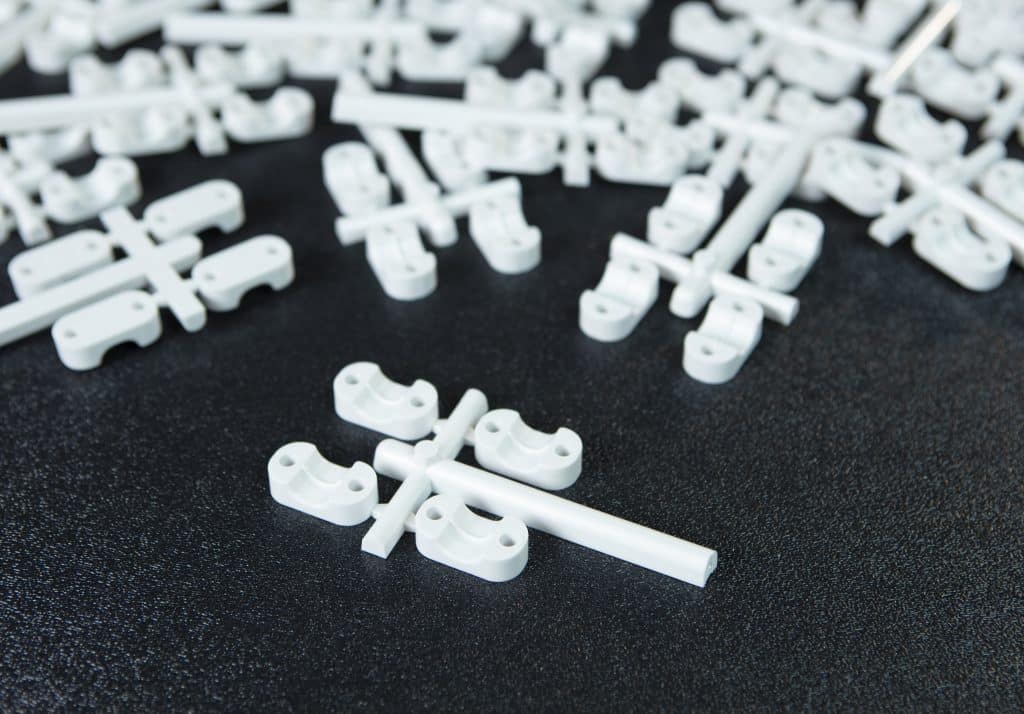
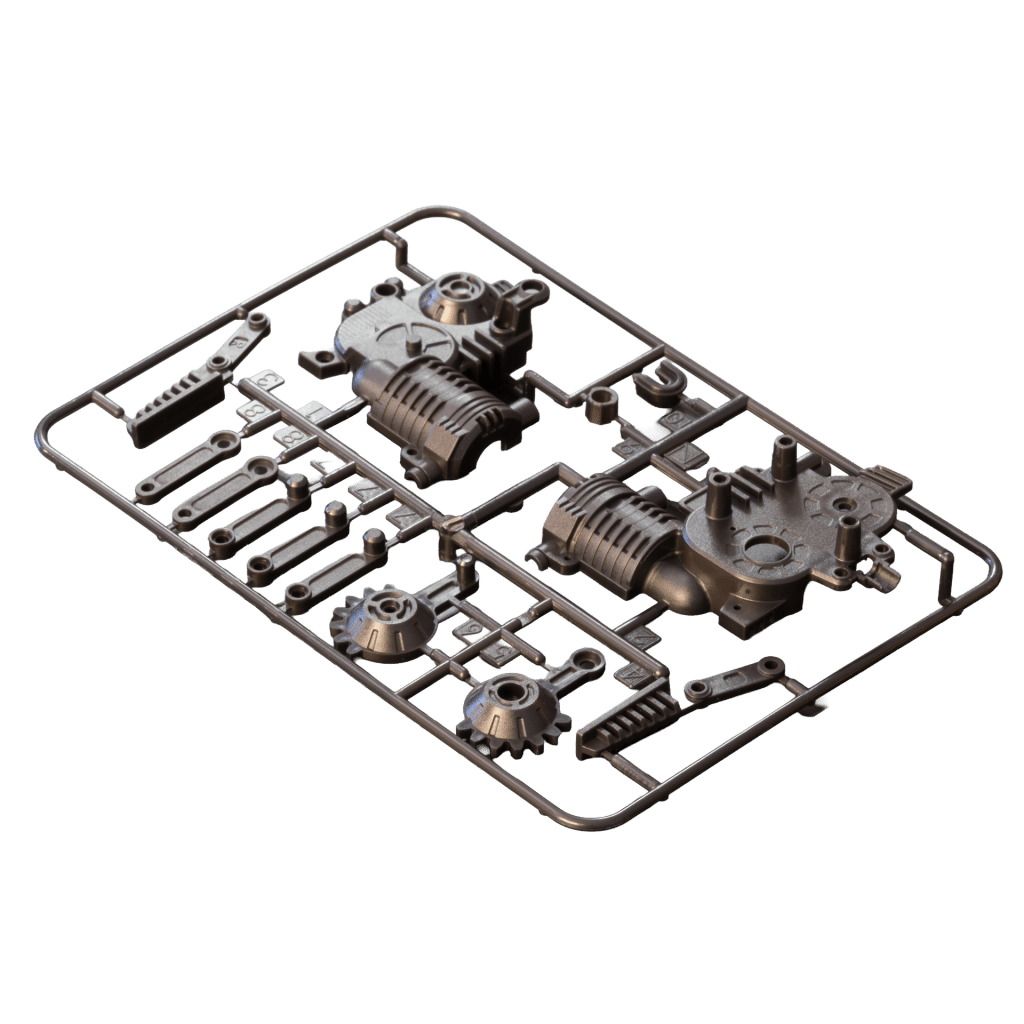
Family molds are specialized injection molding tools designed to produce several different but related parts in a single molding cycle. Unlike standard multi-cavity molds, which generate multiple copies of the same part, family molds create distinct components that often fit together or share functional or aesthetic requirements.

Unlike multi-cavity molds that produce multiple identical parts, family molds are designed to create different components in the same molding cycle. These parts are typically used together in an assembly and share similar material, color, and processing requirements.

These molds keep parts consistent in color, finish, and material, which is especially important for consumer products where visible components must match to convey quality. Because all pieces are formed together, manufacturers ensure uniformity while reducing process variability.

IMG_0112-family-mold-parts

Main Steps in Family Molding

01 Mold Filling

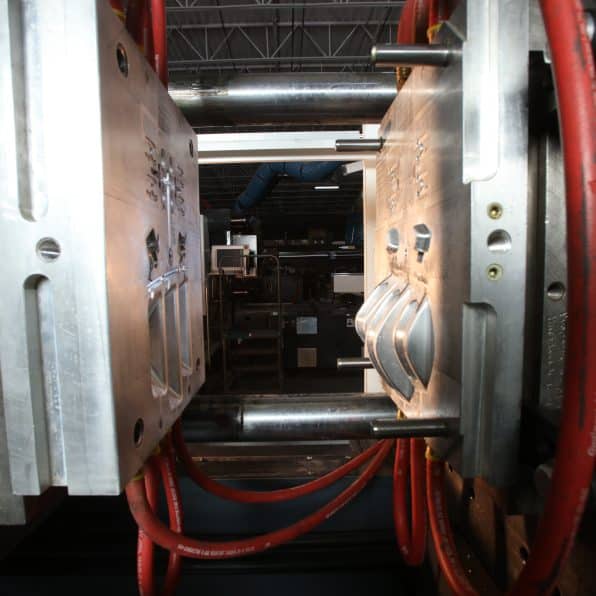
Molten plastic is injected into the mold’s runners, where it flows into multiple cavities designed for different parts. Because each part may have unique geometry, careful pressure and flow control are required to ensure all cavities fill properly. Balancing the runners and gates helps prevent short shots or overpacking in specific parts.


IMG_0061
02 Cooling and Solidification

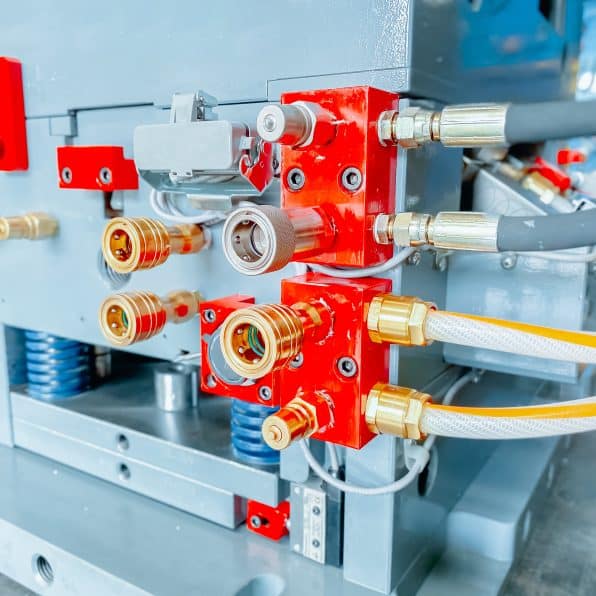
Once the cavities are filled, the plastic cools and solidifies at slightly different rates based on part size and thickness. The cooling system must be designed to keep temperature distribution as uniform as possible across all cavities. Proper cooling ensures dimensional accuracy and minimizes defects for each part in the family.

close up cooling system or water hose of plastic injection mold for mass production
03 Ejection and Part Separation

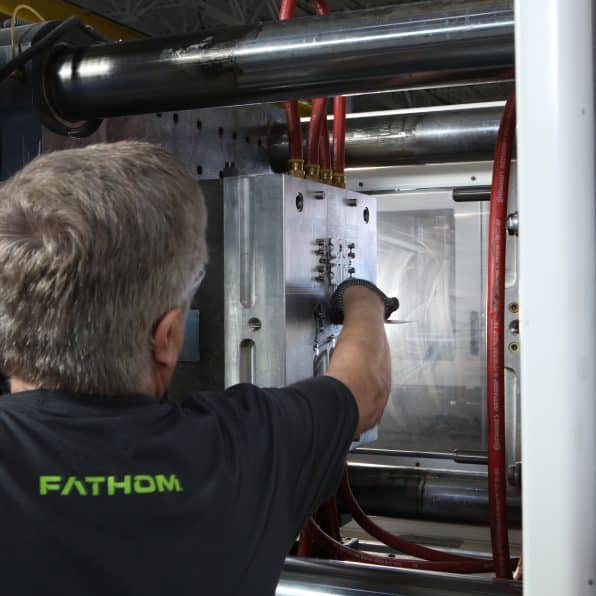
After cooling, the mold opens and all parts are ejected simultaneously from their respective cavities. Operators or automated systems then separate and inspect the different components produced in the cycle. This step ensures the complete set of related parts is ready for assembly or downstream processing.

IMG_0058_1

Is a Family Mold Right for My Parts?

Advantages

  • Part Consistency

    Because a group of parts are produced in a single tool, they will be uniform in their dimensions, appearance and material properties. These qualities are very desirable in many types of products.

  • Cost Savings

    Fewer tools means lower production and maintenance costs over time. A multi-cavity injection molding or “family tool” can also provide savings in production time and potentially a decrease in wasted material.

  • Time Savings

    The ability to produce multiple parts in a single cycle saves time, because it eliminates the need for sequential tooling or tool changes. That enables manufacturers to accelerate their time to market and respond faster to customer needs.

  • Fewer Production Variables

    Compared to separate tools for each part, a multi-cavity injection molding tool presents fewer opportunities for variances in production settings. This results in more consistent color and part quality.

  • Less Time on Press

    Because family injection molding tools can produce more parts with each shot, production runs tend to have less time on press, which can save money.

Disadvantages

  • Longer Lead Time

    Because more cavities need to be cut into the steel, family tools usually take longer to produce and may be more expensive than single-cavity tools.

  • Non-Linear Relationship Between Number of Cavities and Per-Part Cost

    Many customers assume there’s a linear relationship between the number of cavities in a tool and the cost of the part. In other words, if a part in a single-cavity tool costs $5,00 to produce, they expect that a similar set of parts in a two-cavity family tool will cost $2.50 each. But as you add cavities to a tool, the tool gets larger. During production, the tool takes longer to cool, which increases cycle times. You may even need to move to a larger press to accommodate your family tool, which can also increase your processing costs.

  • Parts Must Have Similar Size and Volume

    If the cavity sizes vary too much, the results can be short shots and flash. Why? All cavities of the family mold are filled at the same time and rate. Having parts that vary in size and volume can cause inconsistent fills. A short shot is an under-filled mold. Flash is what happens when a mold is overfilled; excess material seeps out of the mold during injection.

  • Spare Parts Can Only be Ordered in Sets

    If a customer needs a quantity of one of the two parts in a family mold, they must order an equal quantity of both parts.

Launch Your Injection Molding Project with Confidence

Partner with Experts Who Get It Right the First Time
Every project is reviewed by a seasoned manufacturing engineer to optimize part design, material selection, and tooling strategy — ensuring smarter decisions before steel is cut and production begins.

Start My Quote
Robot_Hand_CTA

Common Applications of Family Molds

Multi-Component Assemblies

Family molds are commonly used to produce different parts of a single assembly such as housings, covers, and internal components, in one molding cycle.

Consumer Product Sets

Items like kitchen tools, personal care products, and household accessories benefit from family molds to ensure consistent appearance and material matching.

Medical Device Components

Small, related parts for medical instruments or diagnostic equipment are efficiently produced together to maintain precision and supply alignment.

Automotive Interior and Exterior Parts

Clusters of related components—such as knobs, clips, and trim elements—are molded in one shot to reduce tooling and production costs.

Electronics and Enclosure Systems

Family molds help create matching sets of casings, buttons, and connectors that require consistent fit and color.

Packaging and Closures

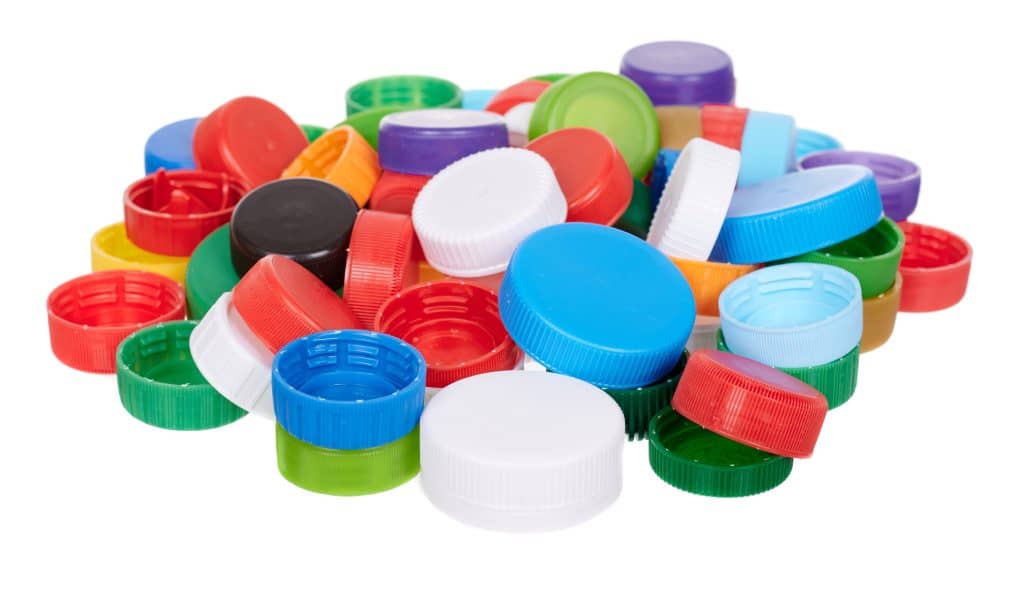
Lids, caps, dispensers, and related packaging elements are often molded together to streamline production and maintain uniform quality across all pieces.

Plastic lids, isolated on white background.
Medical_Application

Materials & Other Requirements for Family Molds

  • Compatible Part Design and Geometry

    All parts included in the family mold must have similar wall thicknesses, sizes, and flow characteristics to ensure balanced filling. If one part fills too quickly or cools too slowly, the entire molding cycle becomes inefficient or produces defects.

  • Shared Material and Processing Conditions

    Every part in the mold must be able to use the same resin and withstand identical temperature, pressure, and cooling parameters. Differences in material requirements would make it impossible to mold all parts properly in a single shot.

  • Balanced Runner and Cavity Layout

    The mold design must allow the resin to flow evenly into all cavities to avoid overpacking, short shots, or inconsistent quality. This requires precise runner sizing, gate placement, and cavity balancing during mold construction.

Ready to Move from Design to Production?

Injection Molding Done with Expertise — Not Just Automation
Fast quoting is just the beginning. At Fathom, you get real engineering insight, proactive DFM guidance, and a streamlined path from prototype to full production — all backed by hands-on manufacturing experience.

Request a Quote Now
Drone_CTA

Family Mold FAQs

Part Relationships Must Fit Parameters

Q.
What is a family mold?

A.

A family mold is a single injection mold designed with multiple cavities that produce different parts in one shot, allowing related components to be molded together in a single cycle.


Q.
Why use a family mold instead of separate molds?

A.

Family molds help reduce tooling costs and improve production efficiency by combining parts into one tool. They also ensure material and color consistency across all related components.


Q.
What types of parts are suitable for a family mold?

A.

Parts must share similar sizes, wall thicknesses, and design characteristics to ensure balanced filling. They also need to be made from the same material and processed under the same conditions.

Q.
What are the main benefits of family molding?

A.

It lowers tooling investment, reduces machine setup time, and ensures coordinated delivery of related parts. It also simplifies inventory management and helps maintain color and material uniformity.


Q.
What are the disadvantages of using a family mold?

A.

Uneven filling, cooling differences, or defects in one cavity can affect the entire shot. Family molds also limit design flexibility and can create inefficiencies when part quantities differ.


Q.
How does a family mold affect cycle time?

A.

The cycle time must be set based on the thickest or slowest-cooling part in the mold. Some smaller or thinner parts may be ready sooner, but all must wait for the slowest.


Q.
What design considerations are important for family molding?

A.

Designers must ensure proper cavity balancing, consistent wall thicknesses, and uniform flow paths. Accurate gate placement and runner design are critical to avoid defects or unequal packing.


Q.
When should a family mold not be used?

A.

Family molds should be avoided when parts require different materials, cooling times, or precision tolerances. They are also unsuitable when production demand for each part varies significantly. In these cases, separate molds or alternative tooling strategies often provide better cost control, flexibility, and production efficiency.


Why Our Customers Trust Fathom

Low Cost
We leverage global manufacturing to lower costs
High Quality
Our quality systems ensure that your parts are the highest quality possible
Quick Turnaround
From quotation to shipping, we’ll meet your timing requirements
Online Quotes
Our online quotation system provides INSTANT quotes

Launch Your Injection Molding Project with Confidence

Partner with Experts Who Get It Right the First Time
Every project is reviewed by a seasoned manufacturing engineer to optimize part design, material selection, and tooling strategy — ensuring smarter decisions before steel is cut and production begins.

Start My Quote
Robot_Hand_CTA