Skip to content

Compression Molding: Stronger Parts, Lower Costs, Faster Production

  • High strength: Dense, durable parts with low voids

  • Lower cost: Less waste and simpler tooling

  • Scalable: Consistent quality at volume

Get Your 30 Second Quote
Trusted by Industry Leaders
Lennox
Parker Hannifin
Panasonic
Rockwell Automation
HP Inc.
Ingersoll Rand
Gates
Sylvania Electric Products
Permabond Engineering Adhesives
Nikon
Honeywell
Delphi Technologies
Emerson Electric Co.
General Electric
Kawasaki
Edwards Lifescience

What Is Compression Molding?

Compression molding is a manufacturing process that shapes parts by applying heat and pressure within a closed mold. A preheated rubber material is placed into one half of the mold, which is then clamped shut to compress the material into the desired form.

Heat plays a critical role in compression molding, as it works with pressure to cure the rubber and lock in the final shape. The mold itself must be carefully engineered to withstand these conditions and ensure consistent, repeatable results.

Compression molds include overflow grooves that allow excess material to escape as the mold closes. This excess, known as flash, ensures the cavity fills completely and is trimmed away after molding to produce a finished part.

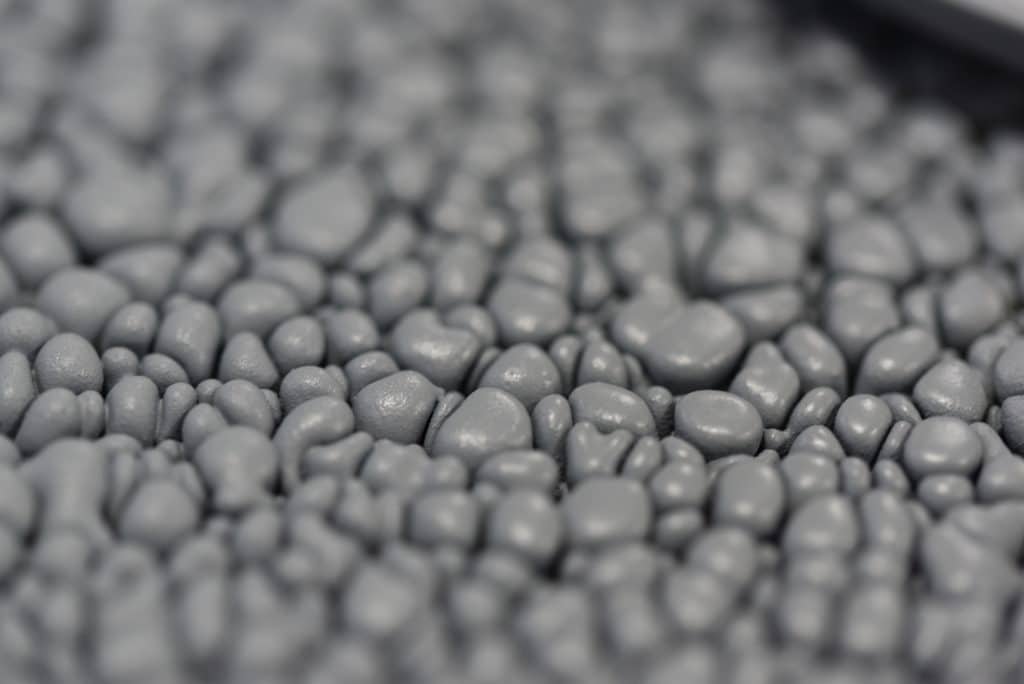
DSC_0284

What Is the Process for Compression Molding?

Material Loading

A measured amount of rubber or composite material is placed into the heated mold cavity. The material is positioned to ensure even flow when pressure is applied.


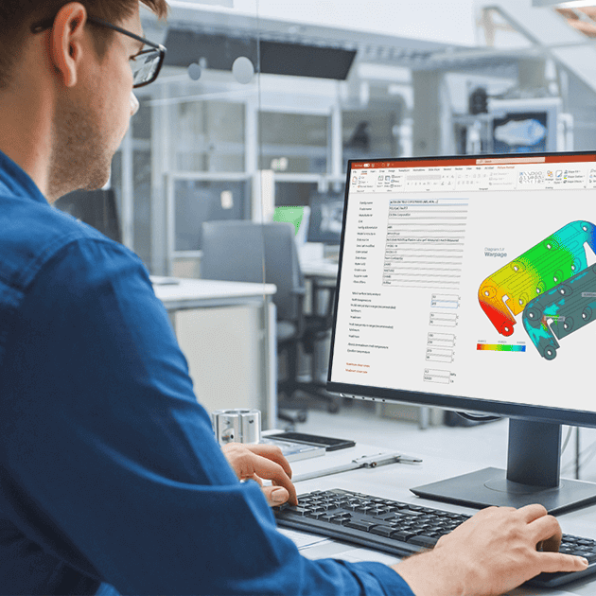
IM_HowItWorks_Step1-2
Compression & Curing

The mold is closed and clamped, applying pressure that forces the material to fill the mold. Heat and pressure work together to cure the material into its final shape.


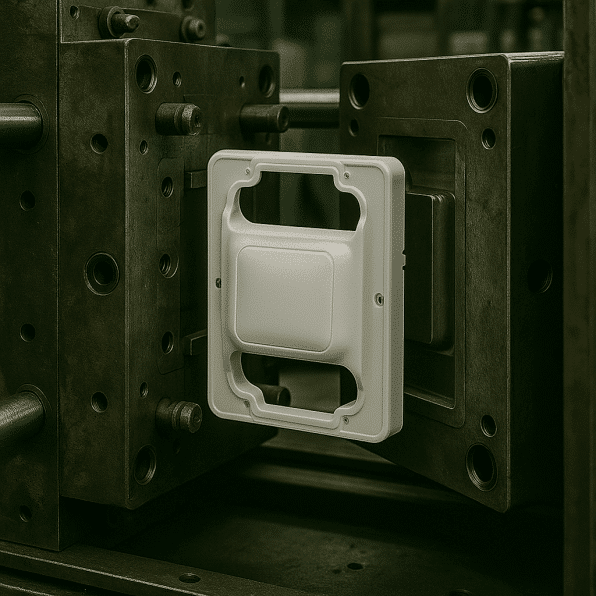
injection-molding-chatgpt-1
Part Removal & Finishing

Once curing is complete, the mold is opened and the formed part is removed. Excess material, or flash, is trimmed to achieve the final finished component.


InjectionMolding_Step3-1-e1765910778622

Is Compression Molding Right for My Part?

Advantages

  • Lower Tooling and Production Costs

    Compression molding is widely used because it requires significantly less expensive tooling than processes such as injection molding. Simpler mold designs without gates or runners reduce machining time and overall manufacturing costs.

  • Greater Design Flexibility

    Compression molding easily accommodates a wide range of part thicknesses, from very thin to quite thick, without sacrificing quality. Designers can create seamless features without concerns about flow marks or knit lines.

  • High Strength and Structural Integrity

    The compression process produces dense parts with low void content and excellent fiber wet-out. This results in superior mechanical strength and long-term durability.

  • Material Efficiency

    Compression molding generates minimal waste compared to many other molding methods. Excess material is limited to flash, which helps ensure complete mold filling.

  • Consistent Part Quality

    Controlled pressure and heat deliver repeatable results across production runs. This consistency makes compression molding well suited for medium- to high-volume manufacturing.

  • Ability to Mold Complex Geometries

    Complex shapes and integrated features can be formed in a single molding cycle. This reduces the need for secondary operations and assembly steps.

Disadvantages

  • Longer Cycle Times

    Compression molding typically has longer cycle times than high-speed molding processes, with each cycle often taking several minutes. Manual material loading, heating, curing, and cooling all contribute to slower overall production rates.

  • Post-Processing Requirements

    Most compression molded parts require secondary finishing to remove excess material, known as flash. This additional trimming step increases labor time and production costs.

  • Limited Design Complexity

    Compression molding works best for relatively simple part geometries. Highly complex designs can result in under-filled areas or inconsistent material distribution.

Launch Your Injection Molding Project with Confidence

Partner with Experts Who Get It Right the First Time
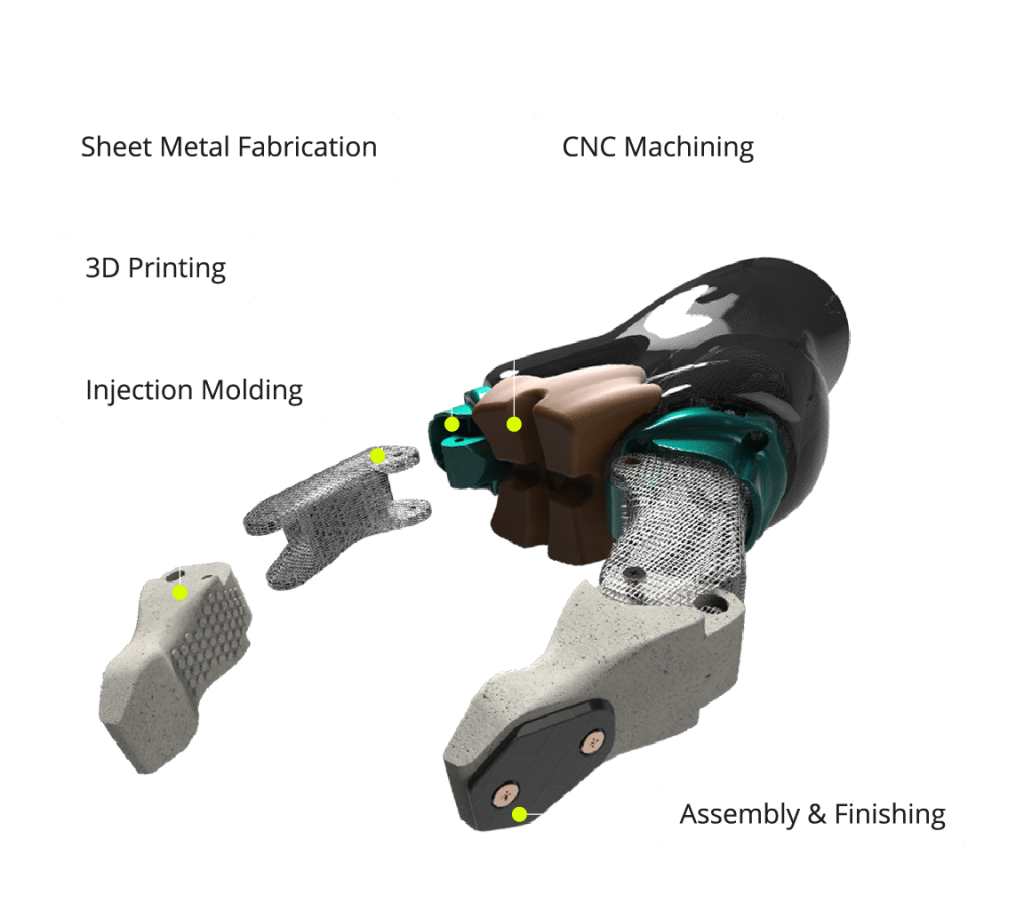
Every project is reviewed by a seasoned manufacturing engineer to optimize part design, material selection, and tooling strategy — ensuring smarter decisions before steel is cut and production begins.

Start My Quote
Robot_Hand_CTA

Common Applications of Compression Molding

Automotive

Large body panels, bumpers, engine components, and interior parts like door panels, due to high strength and heat resistance.

Electrical & Electronics

Switches, outlets, faceplates, circuit breakers, and computer/gaming controller keypads, valued for insulation and stability.

Medical & Dental

Syringe stoppers, respirator masks, seals, and other precise, biocompatible components.

Kitchenware & Household

Melamine plates, bowls, handles for appliances, and cookware parts, benefiting from durability and aesthetics.

Aerospace & Defense

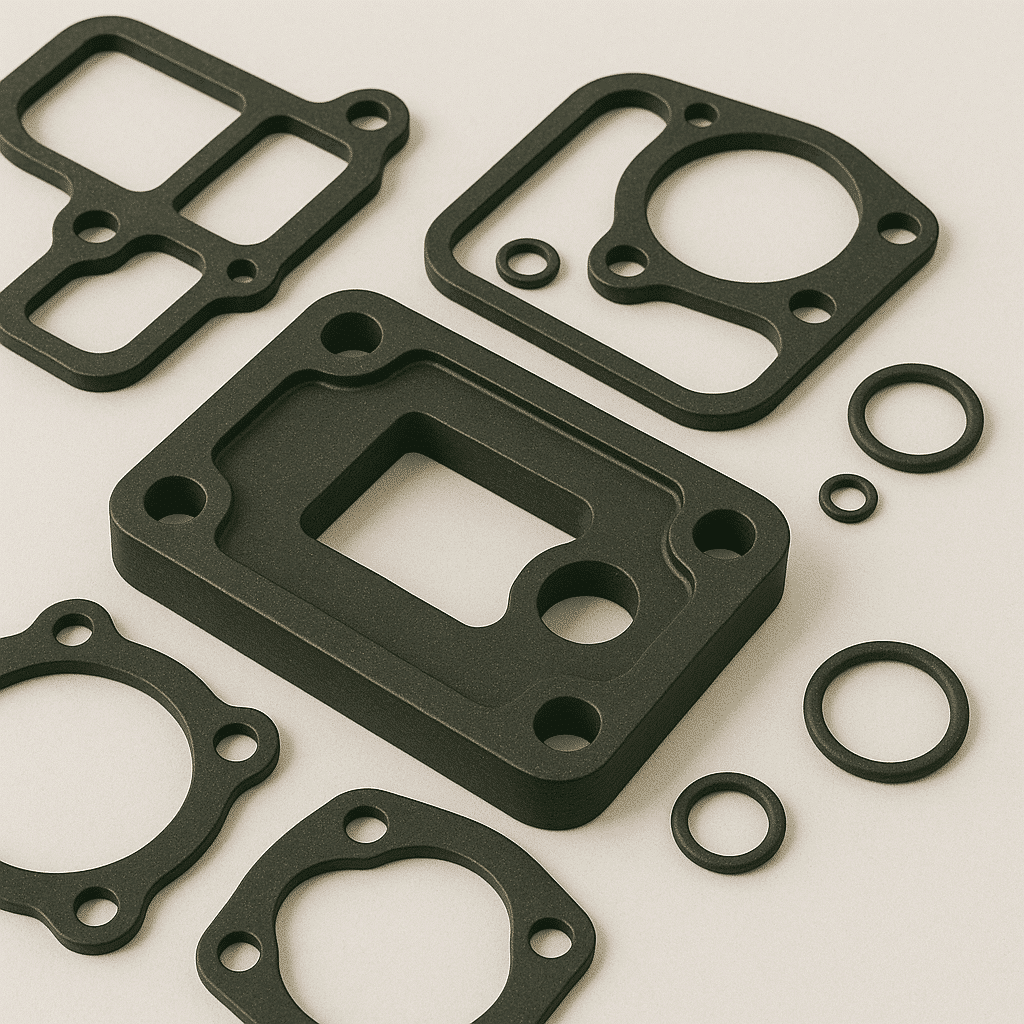
High-performance seals, gaskets, and components requiring extreme temperature resistance and lightweight strength.

Construction & Utilities

Roofing, siding, fencing, and utility tool handles, where UV and weather resistance are key.

compression-molded-gaskets-chatgpt
compression-molding-electrc-socket-chatgpt

Materials Used for Compression Molding

  • Rubber Materials

    Elastomers such as natural rubber, EPDM, silicone, and neoprene are commonly used for their flexibility, durability, and resistance to heat and chemicals.

  • Thermoset Plastics

    Materials like phenolics, epoxies, and polyesters cure under heat and pressure to form rigid, high-strength parts that do not remelt.

  • Composite Materials

    Fiber-reinforced materials, including fiberglass and carbon fiber composites, are used to create lightweight parts with excellent strength and structural performance.

Ready to Move from Design to Production?

Injection Molding Done with Expertise — Not Just Automation
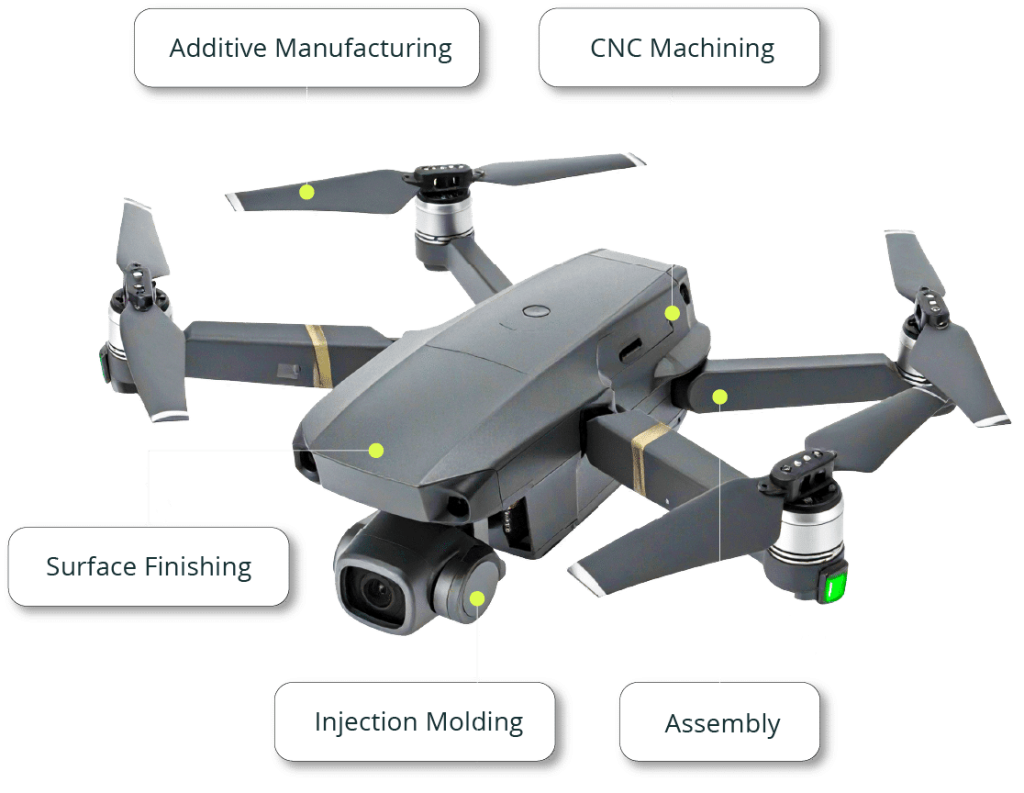
Fast quoting is just the beginning. At Fathom, you get real engineering insight, proactive DFM guidance, and a streamlined path from prototype to full production — all backed by hands-on manufacturing experience.

Request a Quote Now
Drone_CTA

FAQs for Compression Molding

Quick answers to common questions

Q.
What is compression molding?

A.

Compression molding is a manufacturing process that uses heat and pressure to shape materials within a closed mold. It is commonly used for rubber, thermoset plastics, and composite parts.


Q.
What materials can be used in compression molding?

A.

Common materials include rubber compounds, thermoset resins, and fiber-reinforced composites. These materials cure under heat and pressure to form strong, durable parts.


Q.
What are the main advantages of compression molding?

A.

Key benefits include lower tooling costs, high material efficiency, and strong, consistent parts. It is especially effective for medium- to high-volume production.


Q.
What are the limitations of compression molding?

A.

Compression molding typically has longer cycle times and requires post-processing to remove flash. It is also less suitable for highly complex geometries.


Q.
How does compression molding compare to injection molding?

A.

Compression molding uses simpler tooling and produces less material waste. Injection molding is faster and better suited for very complex or high-volume parts.


Q.
What is flash in compression molding?

A.

Flash is excess material that escapes the mold during compression. It is trimmed off after molding to achieve the final part shape.


Q.
What industries use compression molding?

A.

Industries such as automotive, aerospace, electrical, medical, and industrial manufacturing commonly use compression molding. The process is valued for its strength and reliability.


Q.
Is compression molding suitable for high-volume production?

A.

Compression molding works well for medium to high volumes but may be slower than some automated processes. Multi-cavity molds can help improve production efficiency.


Why Our Customers Trust Fathom

Low Cost
We leverage global manufacturing to lower costs
High Quality
Our quality systems ensure that your parts are the highest quality possible
Quick Turnaround
From quotation to shipping, we’ll meet your timing requirements
Online Quotes
Our online quotation system provides INSTANT quotes

Launch Your Injection Molding Project with Confidence

Partner with Experts Who Get It Right the First Time
Every project is reviewed by a seasoned manufacturing engineer to optimize part design, material selection, and tooling strategy — ensuring smarter decisions before steel is cut and production begins.

Start My Quote
Robot_Hand_CTA