Skip to content

Plastic CNC Machining Delivers Exceptional Performance

  • Plastics like nylon, acetal, PEEK, and polycarbonate offer lightweight strength

  • No required tooling means fast, cost-effective production

  • Superior machinability and versatility

  • Rapid turnaround for prototypes and short-run production

Get your 30 Second Quote
Trusted by Industry Leaders
Lennox
Parker Hannifin
Panasonic
Rockwell Automation
HP Inc.
Ingersoll Rand
Gates
Sylvania Electric Products
Permabond Engineering Adhesives
Nikon
Honeywell
Delphi Technologies
Emerson Electric Co.
General Electric
Kawasaki
Edwards Lifescience
Harley Davidson
“Working with Fathom has given us a level of supply chain control we haven’t had with other partners. Instead of juggling multiple suppliers for machining, sheet metal, extrusions, and 3D-printed prototypes, we can run everything through one team and that’s been a huge advantage for our EV programs. Their engineers helped us tighten up a machined cooling-plate design, turn around sheet metal brackets in days, and rapidly iterate several 3D-printed enclosure concepts early in development. Having all of these capabilities under one roof has reduced delays, improved consistency across assemblies, and cut a significant amount of coordination time on our side.”
Senior Manufacturing Engineer,
Major EV OEM
“No matter how complex or how new issues are with product design, we can always count on Fathom. Their team provides an unbiased, ‘out-of-the-box’ professional opinion that is always forward-thinking, interesting and helpful. We value their exemplary commitment to providing superb engineering.”
Rich Rayhill
Crown
prev
next

What is Plastic CNC Machining?

Plastic prototype parts play a critical role in validating product design at the start of an injection molding project. CNC-machined prototypes are ideal for most applications, providing the accuracy needed to test form, fit, and function without investing in tooling.

CNC machining is also a highly cost-effective option for low-volume production, making it suitable for runs of up to 100 pieces. This makes it an excellent choice for smaller projects that require high precision and quick turnaround. Typical production volumes range from single prototypes to low-volume runs where flexibility and speed are more important than per-part cost at scale.

Fathom’s multi-axis, high-speed CNC milling machines can produce complex parts rapidly, often delivering prototypes within just a few days. There are no size limitations, and secondary processes such as painting, assembly, and packaging are readily available using high-quality plastic resins.

Plastic CNC machining is frequently used as a bridge to injection molding, allowing teams to validate designs, materials, and tolerances before investing in tooling. This approach reduces risk and accelerates the transition from prototype to production.

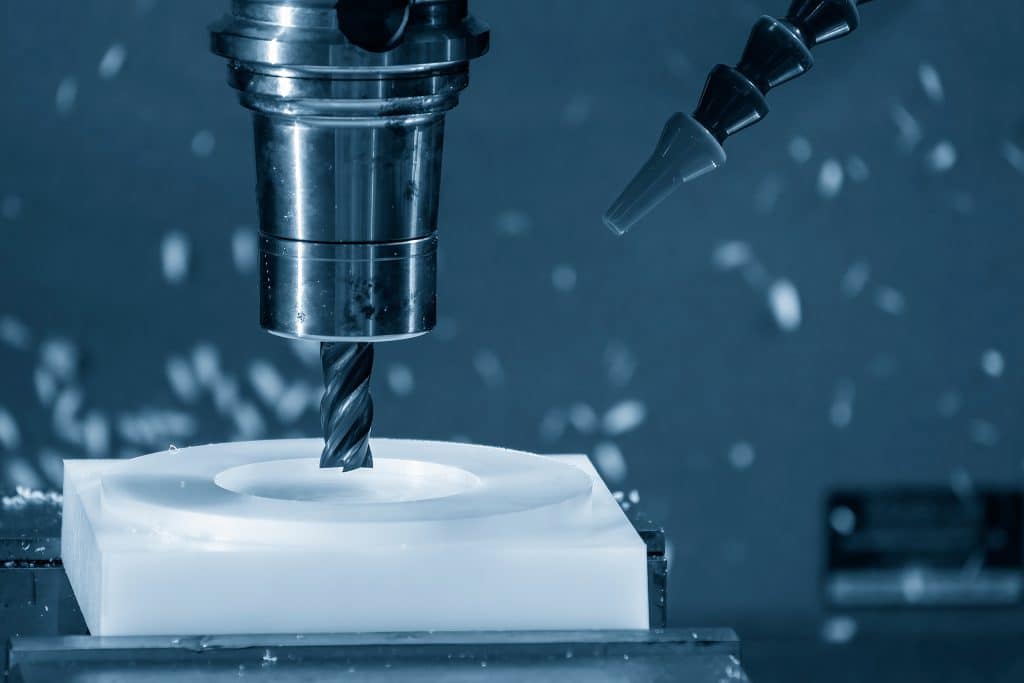
The  CNC milling machine cutting the nylon 6 material part with flat end mill tool.

The Plastic CNC Machining Process

01 Design & Programming

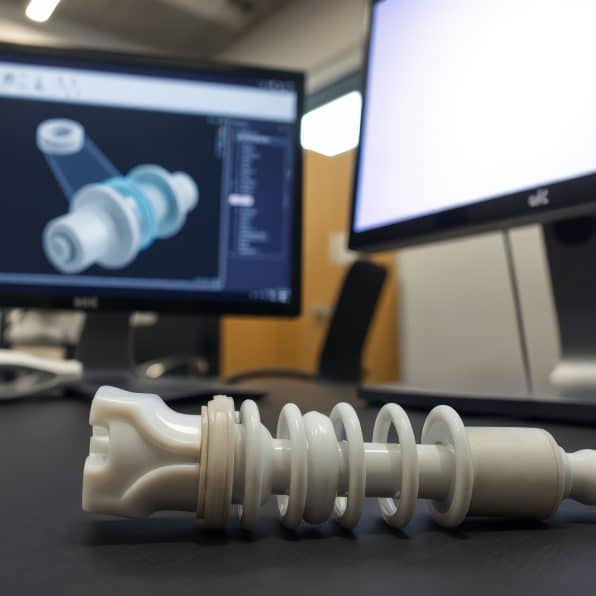
Engineers begin by creating a 3D CAD model of the plastic part to define all features, tolerances, and critical dimensions. CAM software then converts the design into precise toolpaths and machine instructions.

3DPrinted Prototype Engineering Design Comes To Life On Desk
02 Machining & Material Removal

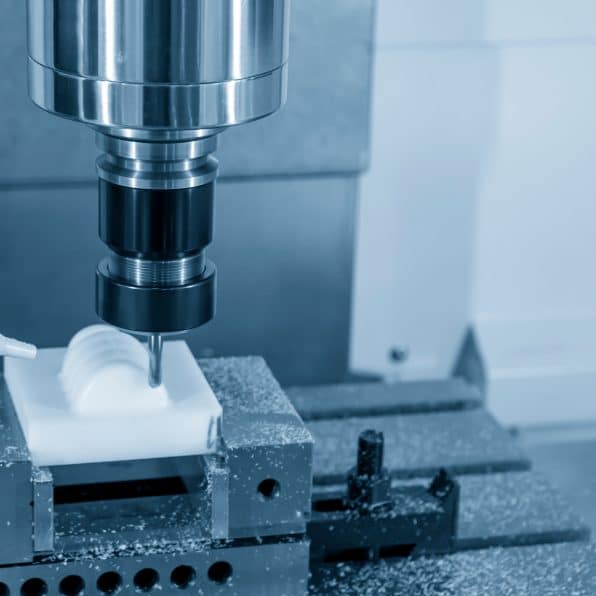
The plastic workpiece is secured to the CNC machine, and cutting tools follow programmed paths to remove material. Tool speeds, feeds, and coolant strategies are carefully controlled to prevent melting, warping, or stress in the plastic.

The CNC milling machine cutting the plastic parts with solid ball endmill tool. The hi-technology manufacturing processing by CNC machining center.
03 Finishing & Quality Inspection

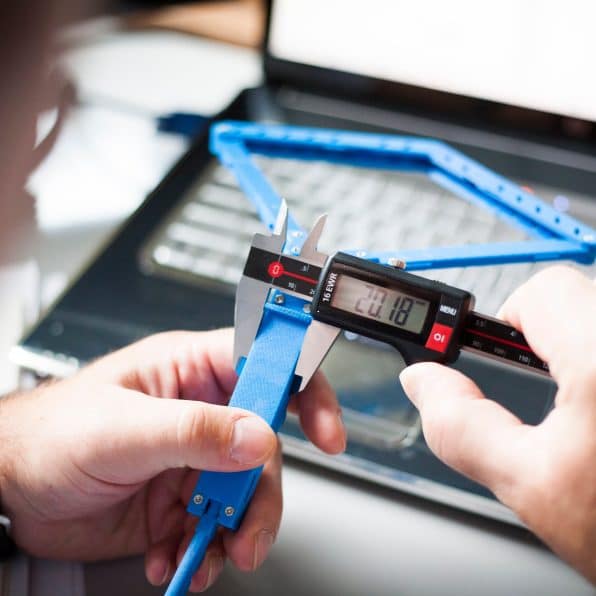
After machining, parts may undergo deburring, polishing, or additional finishing processes to improve functionality or appearance. Inspectors verify dimensions using calipers, CMMs, or optical measurement tools to ensure the part meets specifications. Additional secondary operations such as painting, assembly, packaging, or post-machining inspection can be integrated to deliver production-ready parts.


Precision Measurement of a Prototype. Engineer's hands using an electronic caliper to check a component printed with a 3D printer. Focus on technology and innovation.

Is CNC Machining Right for My Plastic Part?

Advantages

  • Excellent Machinability

    Plastics cut cleanly and quickly, allowing for tight tolerances and smooth surface finishes.

  • Lower Material and Production Costs

    Most engineering plastics are less expensive than metals and require less tool wear, reducing total cost.

  • Lightweight Strength

    High-performance plastics like acetal, nylon, and PEEK offer strong mechanical properties at a fraction of the weight of metals.

  • Corrosion and Chemical Resistance

    Plastics naturally resist rust, oxidation, and many industrial chemicals, extending part life.

  • No Tooling Required

    Unlike molding processes, CNC machining doesn’t require expensive molds, making it ideal for rapid prototyping or low-volume production. This makes plastic CNC machining especially effective for projects with evolving designs or uncertain production volumes.

  • Electrical and Thermal Insulation

    Many plastics provide excellent insulation properties, making them suitable for electronics, medical devices, and high-voltage applications.

Disadvantages

  • Lower Heat Resistance

    Plastics can melt, deform, or warp if machining speeds and feed rates generate too much heat.

  • Lower Structural Strength Compared to Metals

    Even strong engineering plastics cannot match the tensile strength and stiffness of aluminum, steel, or titanium.

  • Dimensional Instability

    Certain plastics absorb moisture or expand with temperature changes, affecting tolerances over time.

  • Limited Surface Finishing Options

    Plastics generally can’t be anodized, plated, or powder-coated like metals, restricting finishing choices.

  • Susceptible to Scratching or Wear

    Some plastics, especially softer types, can scratch or wear faster than metal parts in high-friction environments.

  • Potential for Internal Stresses

    Machining can introduce stresses that cause warping or cracking if the wrong tools or parameters are used.

Launch Your Injection Molding Project with Confidence

Partner with Experts Who Get It Right the First Time
Every project is reviewed by a seasoned manufacturing engineer to optimize part design, material selection, and tooling strategy — ensuring smarter decisions before steel is cut and production begins.

Start My Quote
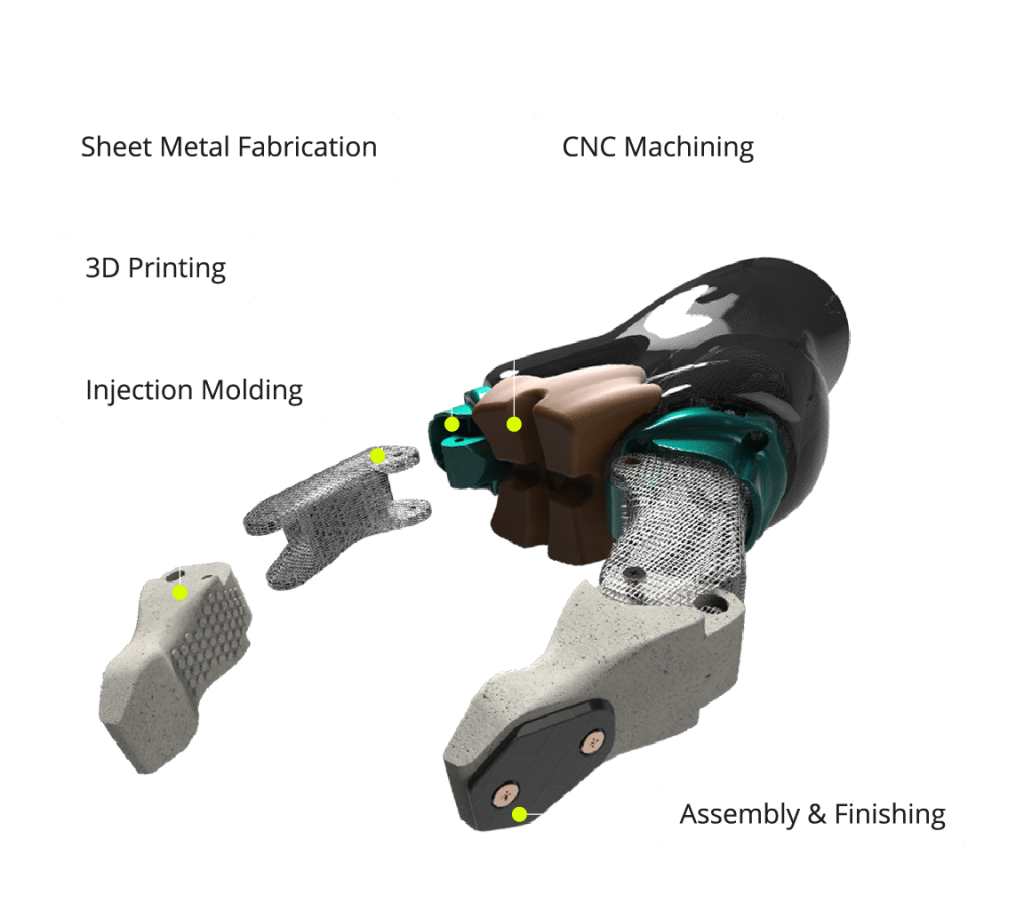
Robot_Hand_CTA

Common Applications of CNC Machined Plastics

Medical Devices and Surgical Components

Plastics like PEEK and acetal are biocompatible, sterilizable, and suitable for precision components used in surgical tools and diagnostic equipment.

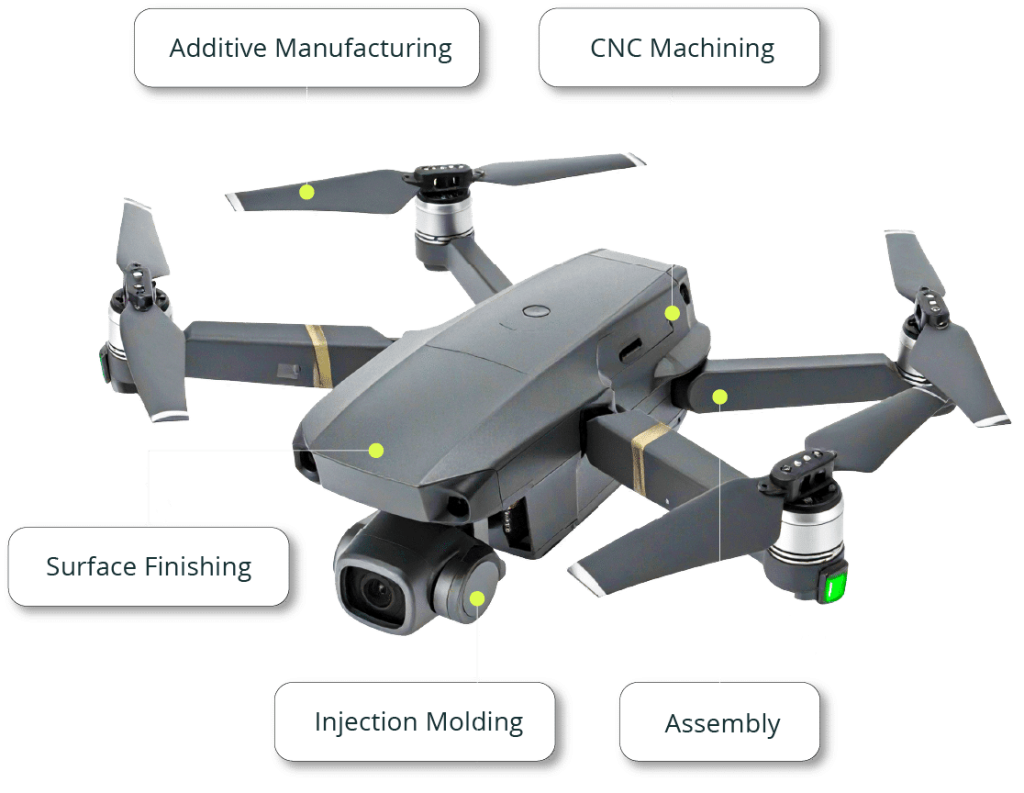
Aerospace and UAV Components

Lightweight plastics reduce overall weight while maintaining strength, making them ideal for housings, brackets, and sensor mounts.

Electronics and Enclosures

Plastics provide excellent electrical insulation and heat resistance, making them perfect for CNC-machined housings, connectors, and protective casings.

Industrial Machinery and Automation

Durable engineering plastics are used for wear-resistant gears, guides, bushings, and fixtures in automated systems.

Automotive Prototyping and Custom Parts

CNC machining enables fast, accurate production of prototype components, dashboards, and under-the-hood parts for design validation.

Consumer Products and Product Development

From appliance components to custom handheld devices, plastics allow for rapid prototyping and low-volume production with high design flexibility.

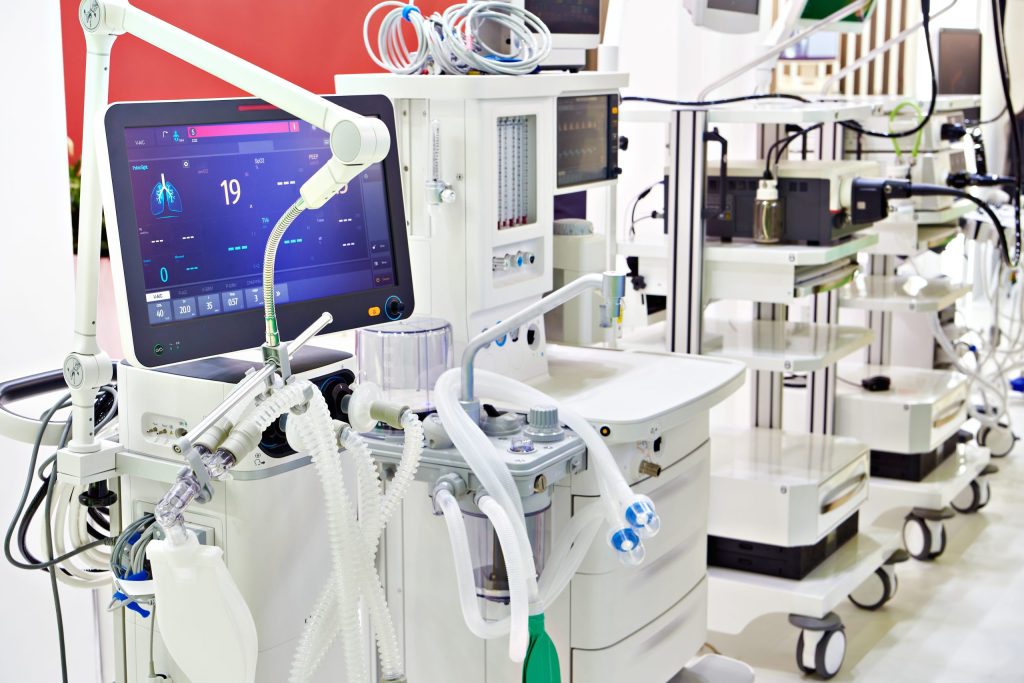
Modern medical electronic equipment
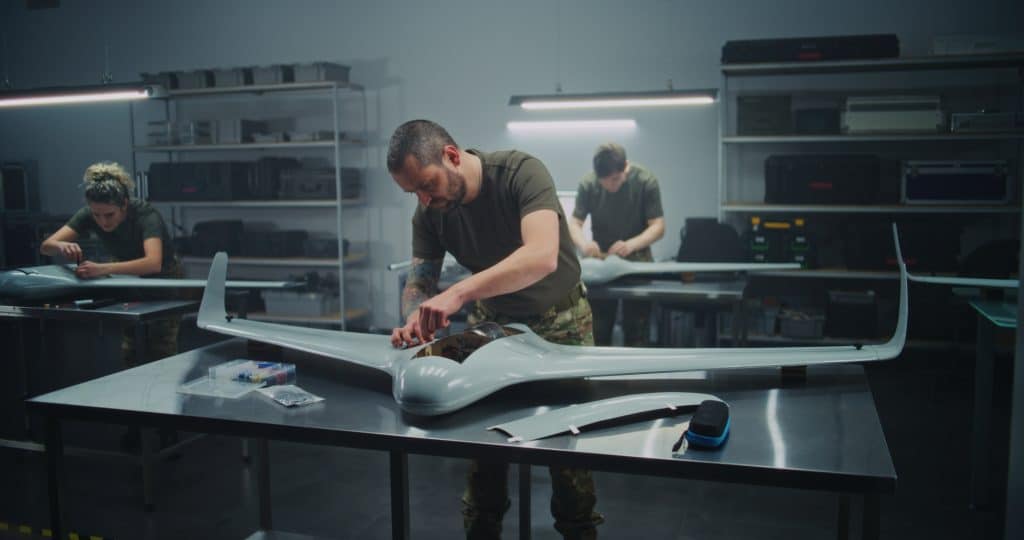
Synchronized Drone Production Team Simultaneously Assembling Large UAV

Materials Used for Plastic CNC Machining

  • Engineering plastics like acetal (Delrin), nylon, and UHMW are commonly used because they machine smoothly and provide excellent strength and wear resistance.
  • High-performance plastics such as PEEK, PPS, and Ultem are chosen for demanding applications requiring heat resistance, chemical stability, and tight tolerances.
  • Clear plastics like polycarbonate and acrylic are frequently machined when optical clarity, impact resistance, or transparent prototypes are needed.
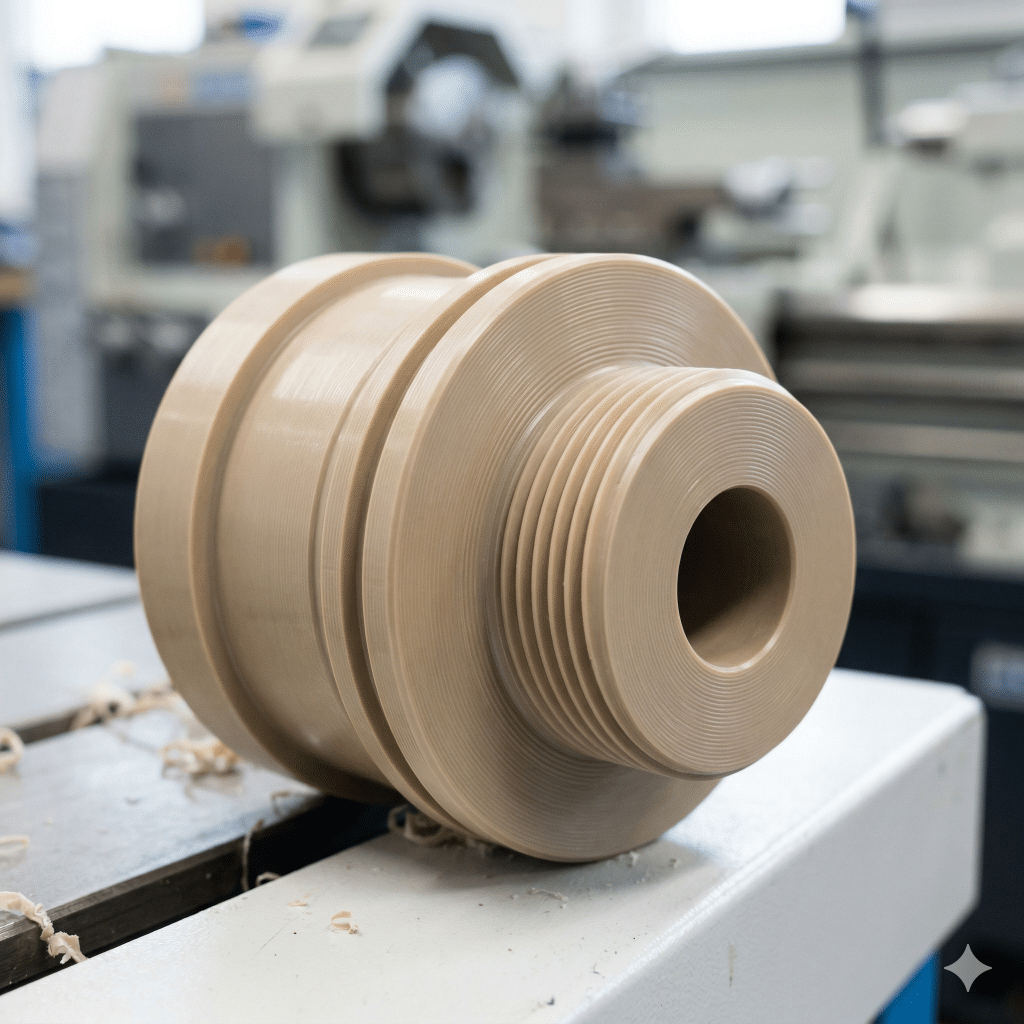
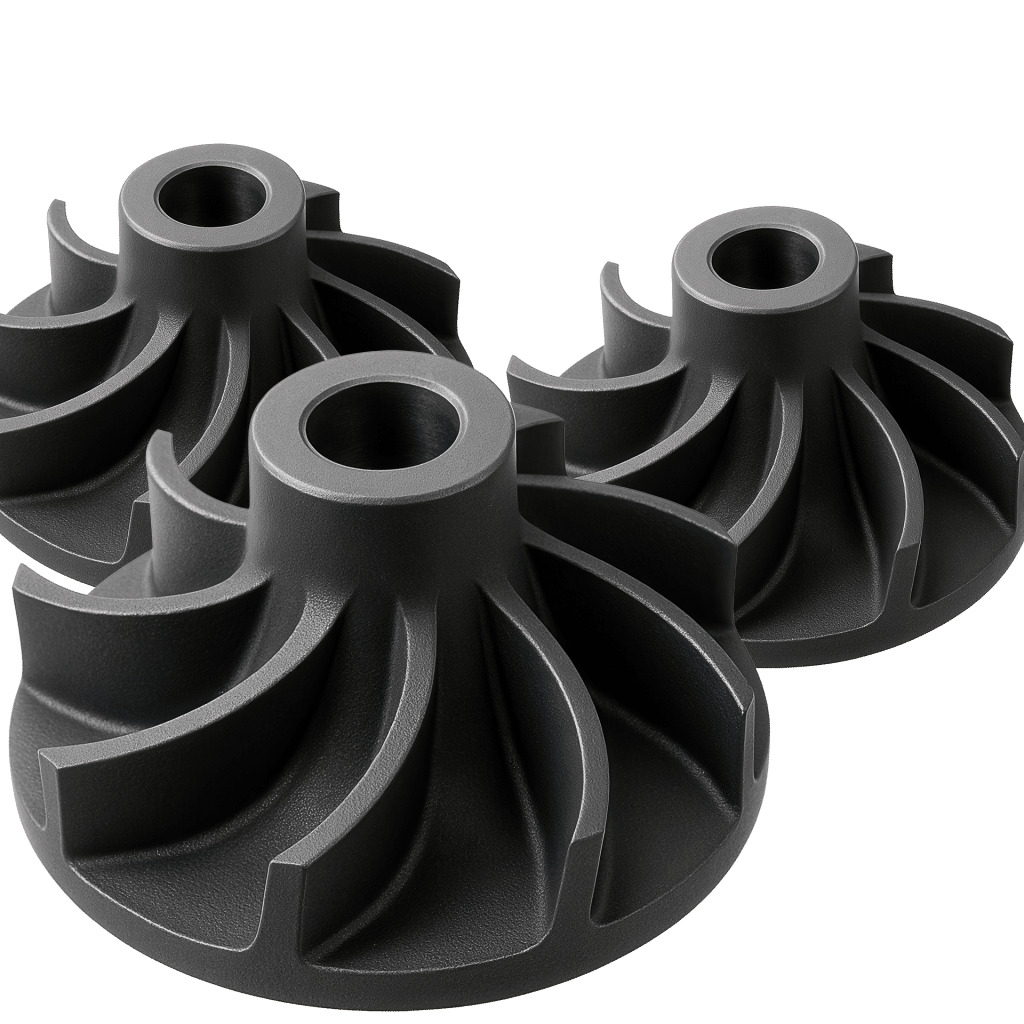
Gemini_Generated_Image_chbxuwchbxuwchbx-cnc-turned-plastic-part

Ready to Move from Design to Production?

Injection Molding Done with Expertise — Not Just Automation
Fast quoting is just the beginning. At Fathom, you get real engineering insight, proactive DFM guidance, and a streamlined path from prototype to full production — all backed by hands-on manufacturing experience.

Request a Quote Now
Drone_CTA

Is CNC Machining Right for My Plastic Parts?

It depends on your requirements. FAQs:

Q.
What is plastic CNC machining?

A.

Plastic CNC machining uses computer-controlled cutting tools to shape engineered plastics into precise, production-ready parts with tight tolerances and consistent quality.


Q.
Which plastics are commonly used for CNC machining?

A.

Popular plastics include acetal (Delrin), nylon, polycarbonate, acrylic, ABS, PEEK, UHMW, and Ultem, each chosen based on mechanical, thermal, or chemical requirements.

Q.
How accurate is CNC machining for plastic parts?

A.

Most plastic parts can be machined to tolerances of ±0.005 in (±0.13 mm), though high-performance plastics and optimized setups can achieve even tighter tolerances.


Q.
Why choose CNC machining instead of injection molding for plastics?

A.

CNC machining requires no tooling, making it ideal for prototypes, short runs, and complex parts where design changes are frequent.


Q.
Can plastic CNC parts be used for high-strength or high-temperature applications?

A.

Yes – engineering plastics like PEEK, PPS, and Ultem offer exceptional strength, heat resistance, and chemical stability for demanding environments.


Q.
How does machining plastic differ from machining metal?

A.

Plastics are more heat-sensitive, so tool speeds, feed rates, and cooling must be carefully controlled to avoid melting, warping, or stress buildup. Compared to metal machining, plastics offer lighter weight, lower material cost, and natural corrosion resistance, but require more careful thermal control during cutting.


Q.
What surface finishes are available for plastic parts?

A.

Options include as-machined, bead blasting, polishing, vapor smoothing (for some plastics), and light texturing depending on the material.


Q.
Are CNC-machined plastic parts durable?

A.

Yes, many plastics offer excellent wear resistance, impact strength, and environmental stability, making them suitable for long-term use in industrial and consumer applications. Durability depends on material selection, part geometry, and operating environment, and our team can help identify the best plastic for your application.


Why Customers Choose Plastic CNC Machining at Fathom

Low Cost
We leverage global manufacturing to lower costs
High Quality
Our quality systems ensure that your parts are the highest quality possible
Quick Turnaround
From quotation to shipping, we’ll meet your timing requirements
Online Quotes
Our online quotation system provides INSTANT quotes

Launch Your Injection Molding Project with Confidence

Partner with Experts Who Get It Right the First Time
Every project is reviewed by a seasoned manufacturing engineer to optimize part design, material selection, and tooling strategy — ensuring smarter decisions before steel is cut and production begins.

Start My Quote
Robot_Hand_CTA