Skip to content

Precision Metal CNC Machining for Strength, Accuracy & Repeatability

  • Unmatched precision, tight tolerances

  • Production-ready, durable metals

  • Fast, scalable manufacturing for low or high volumes

Get your 30 Second Quote
Trusted by Industry Leaders
Lennox
Parker Hannifin
Panasonic
Rockwell Automation
HP Inc.
Ingersoll Rand
Gates
Sylvania Electric Products
Permabond Engineering Adhesives
Nikon
Honeywell
Delphi Technologies
Emerson Electric Co.
General Electric
Kawasaki
Edwards Lifescience
Harley Davidson
“Working with Fathom has given us a level of supply chain control we haven’t had with other partners. Instead of juggling multiple suppliers for machining, sheet metal, extrusions, and 3D-printed prototypes, we can run everything through one team and that’s been a huge advantage for our EV programs. Their engineers helped us tighten up a machined cooling-plate design, turn around sheet metal brackets in days, and rapidly iterate several 3D-printed enclosure concepts early in development. Having all of these capabilities under one roof has reduced delays, improved consistency across assemblies, and cut a significant amount of coordination time on our side.”
Senior Manufacturing Engineer,
Major EV OEM
“No matter how complex or how new issues are with product design, we can always count on Fathom. Their team provides an unbiased, ‘out-of-the-box’ professional opinion that is always forward-thinking, interesting and helpful. We value their exemplary commitment to providing superb engineering.”
Rich Rayhill
Crown
prev
next

What is Metal CNC Machining?

CNC machining is a high-precision manufacturing process that uses computer-controlled tools to remove metal from a solid block, producing parts with exceptional accuracy and repeatability. Because each cut follows programmed instructions, every finished component matches the original design exactly.

CNC machines are widely used to cut metals such as aluminum, steel, stainless steel, titanium, and brass, making them ideal for prototypes and low- to mid-volume production runs. With fast turnaround times, broad material options, and instant online quoting through Fathom CNC metal machining offers a reliable and efficient path from design to finished part. We offer:

  • Fast turnaround time for most custom CNC milled metal parts
  • Various surface finishes are available
  • Tight tolerances – within +/- 0.002 in. (0.05 mm) for metal parts
  • No size limitations
Machining & Post-Processing_3Axis

How Does Metal CNC Machining Work?

01 CAD Modeling & CAM Programming

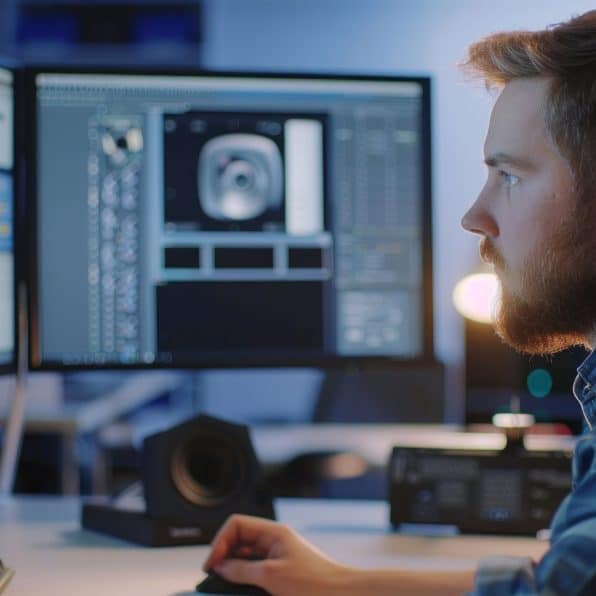
Engineers create a detailed 3D CAD model of the metal part, defining dimensions, tolerances, and critical features. CAM software then converts this model into toolpaths that guide the CNC machine’s movements with precision.

An industrial designer talks with a senior engineer while working on a program to design a new component.
02 Machine Setup & Cutting Operations

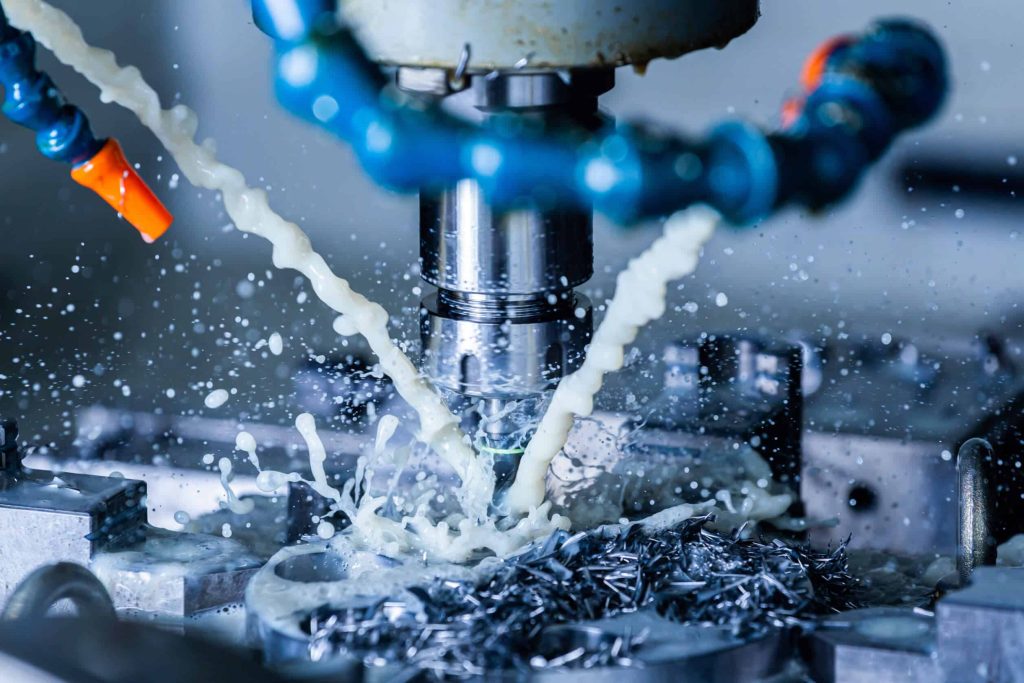
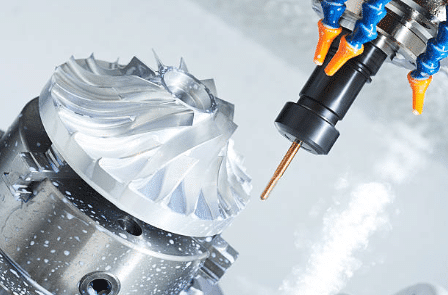
The metal workpiece is secured in the CNC machine, and cutting tools, such as mills, drills or lathes, begin removing material according to the programmed toolpaths. Speed, feed rate, and coolant flow are carefully calibrated to prevent tool wear and ensure accuracy.

CNC Machining
03 Finishing & Quality Inspection

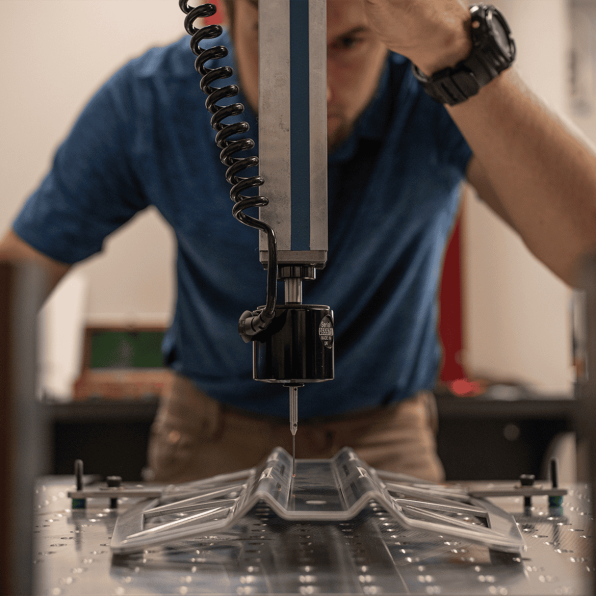
Once machining is complete, parts may undergo deburring, surface finishing, or secondary processes to achieve the desired appearance and performance. Quality technicians inspect dimensions and features to verify they meet the required specifications.

quality_measure

Pros and Cons of Metal CNC Machining

Advantages

  • High Precision and Tight Tolerances

    Metal CNC machining delivers extremely accurate parts with consistent repeatability across production runs. This makes it ideal for aerospace, medical, and industrial components that demand exact specifications.

  • Versatile Manufacturing Capabilities

    CNC machines can produce complex parts with features like threads, pockets, and contours. They also support a wide range of metals, from soft aluminum to hardened steels.

  • Test for Form, Fit & Function

    Metal CNC machining is a cost-effective way to test prototype parts for form, fit and function. Fathom’s affordable CNC metal machining provides manufacturers the opportunity to subject prototype parts to the same conditions that production parts will face.

  • Scalable From Prototype to Production

    Because CNC machining requires no molds or tooling, it’s fast and efficient for prototypes and custom parts. The same setup can then be scaled for low-, mid-, or high-volume production.

  • Superior Surface Finish Options

    CNC-machined metal parts can achieve smooth surfaces directly off the machine. They can also be anodized, powder-coated, plated, or polished for enhanced performance and aesthetics.

  • Cost-Effective for Short Production Runs

    CNC metal machining services are a fast and efficient way to complete small production runs. Parts are cut directly on the CNC machine based on the CAD design. Fathom can produce and ship short production runs in a matter of days.

Disadvantages

  • Longer Machining Times for Complex Parts

    Intricate geometries often require multiple setups, tool changes, and slower cutting speeds. This extends overall production time and increases labor involvement.

  • Heavy Wear on Tools and Equipment

    Metals, especially hardened steels, cause faster tool wear. This requires frequent tool replacement and precise monitoring to maintain quality.

  • Potential for Heat-Related Distortion

    High cutting forces and heat buildup can affect metal stability during machining. Careful control of coolant flow and speed is necessary to maintain dimensional accuracy.

Launch Your Injection Molding Project with Confidence

Partner with Experts Who Get It Right the First Time
Every project is reviewed by a seasoned manufacturing engineer to optimize part design, material selection, and tooling strategy — ensuring smarter decisions before steel is cut and production begins.

Start My Quote
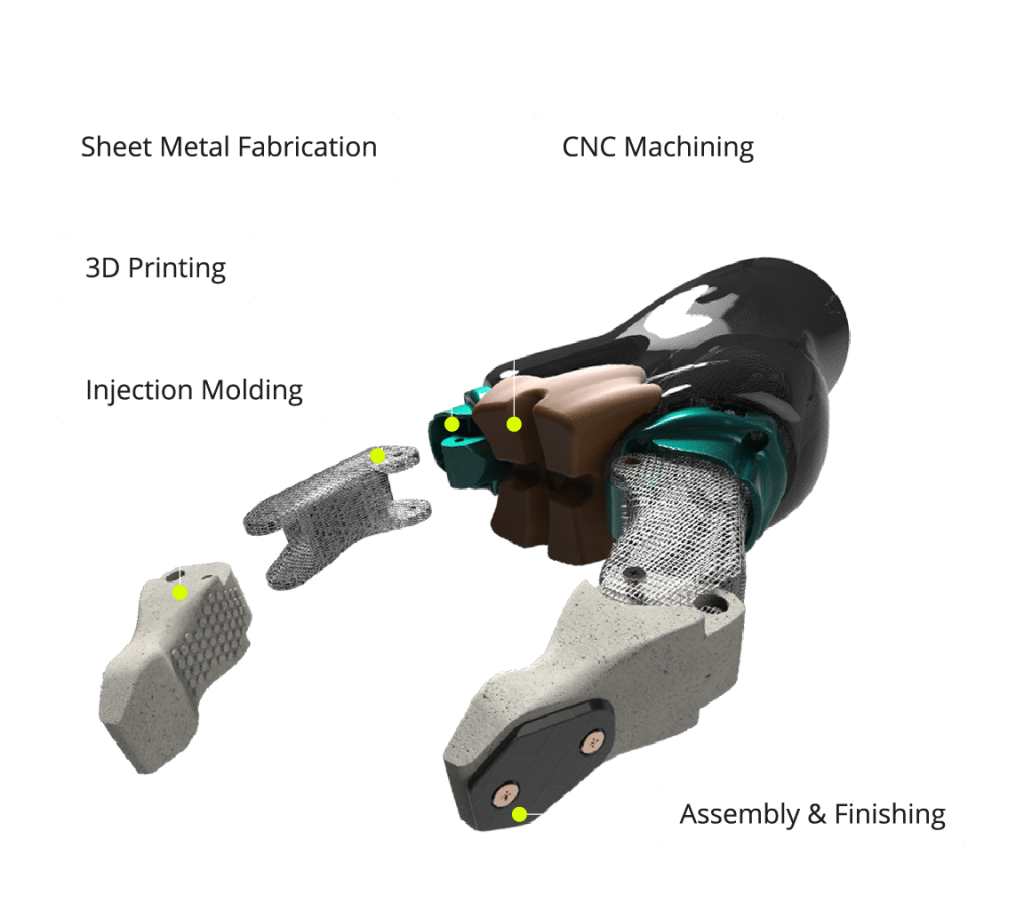
Robot_Hand_CTA

Common Applications of Metal CNC Machining

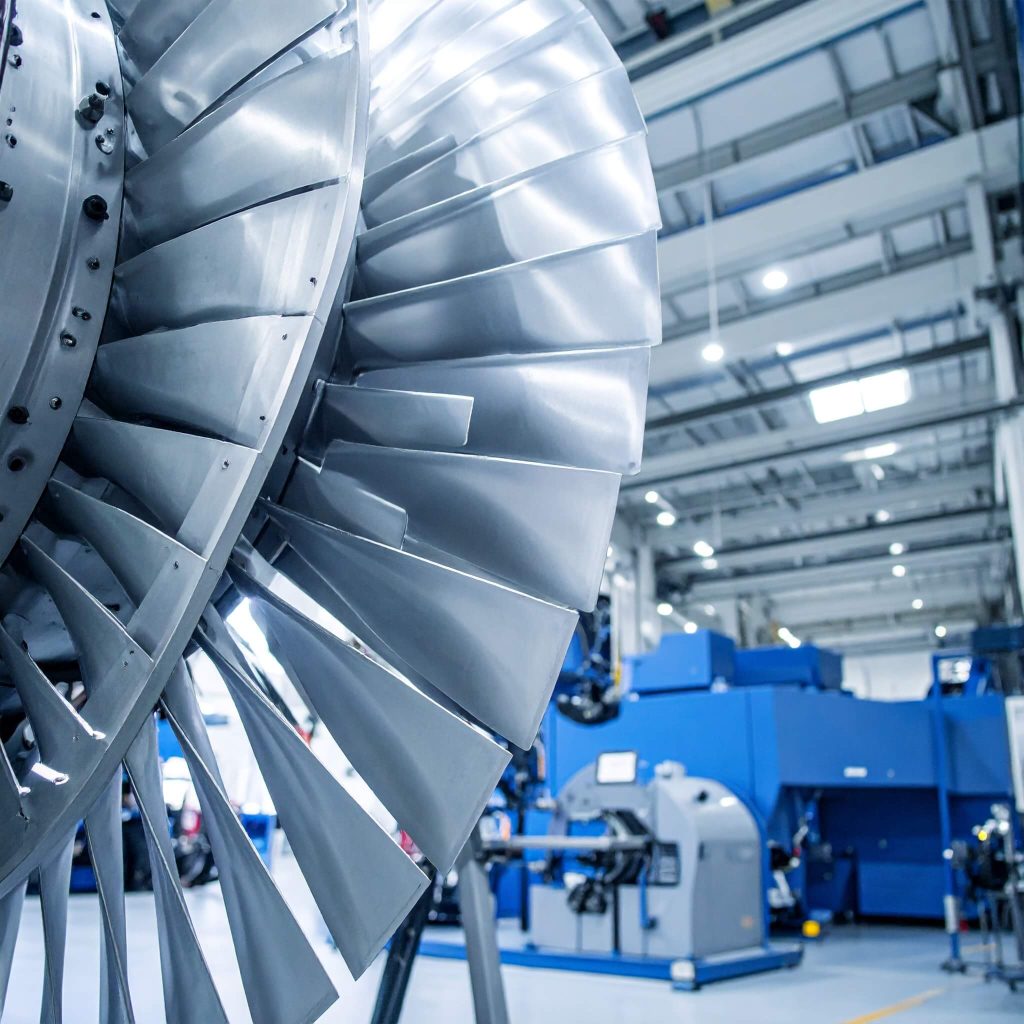
Aerospace Components

Critical parts such as brackets, housings, and turbine elements are CNC-machined from metals like aluminum and titanium to ensure precision, strength, and reliability in flight environments.

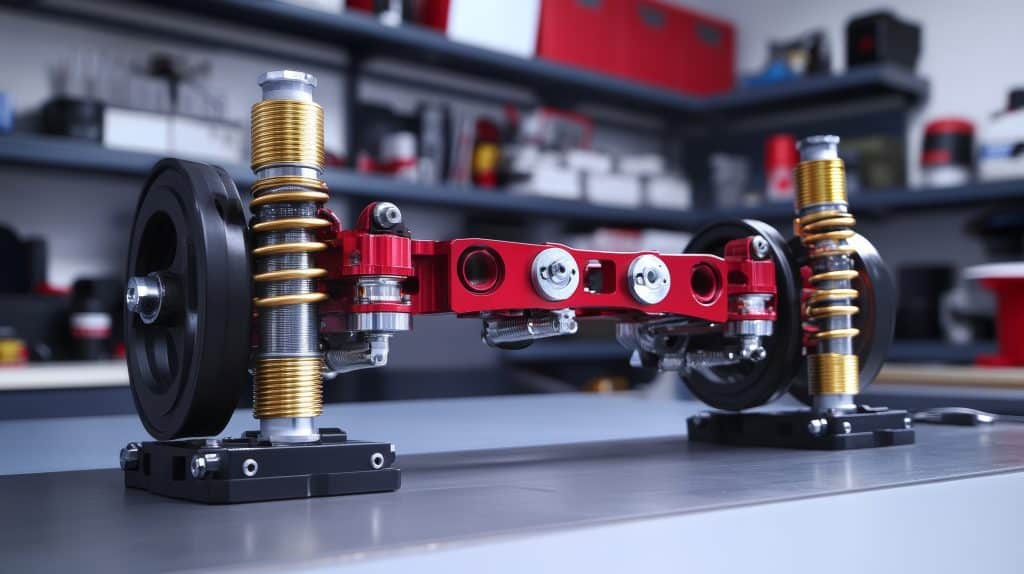
Automotive and Motorsports Parts

Engine components, suspension parts, and performance upgrades rely on CNC machining for durability, high accuracy, and consistent performance under harsh operating conditions.

Medical Devices and Surgical Instruments

Stainless steel and titanium components are machined with tight tolerances to meet strict hygiene standards and ensure safe, reliable use in medical procedures.

Industrial Machinery and Automation Equipment

CNC-machined gears, shafts, fixtures, and machine bases provide the strength and precision needed for high-load, high-cycle industrial operations.

Robotics and Automation Systems

Metal structural frames, actuator housings, and precision linkage components are machined to deliver stability, accuracy, and long service life in robotic platforms.

Consumer Electronics and Hardware

Products like laptops, cameras, and high-end accessories use CNC-machined aluminum and stainless steel parts for sleek aesthetics, durability, and tight-fitting mechanical assemblies.
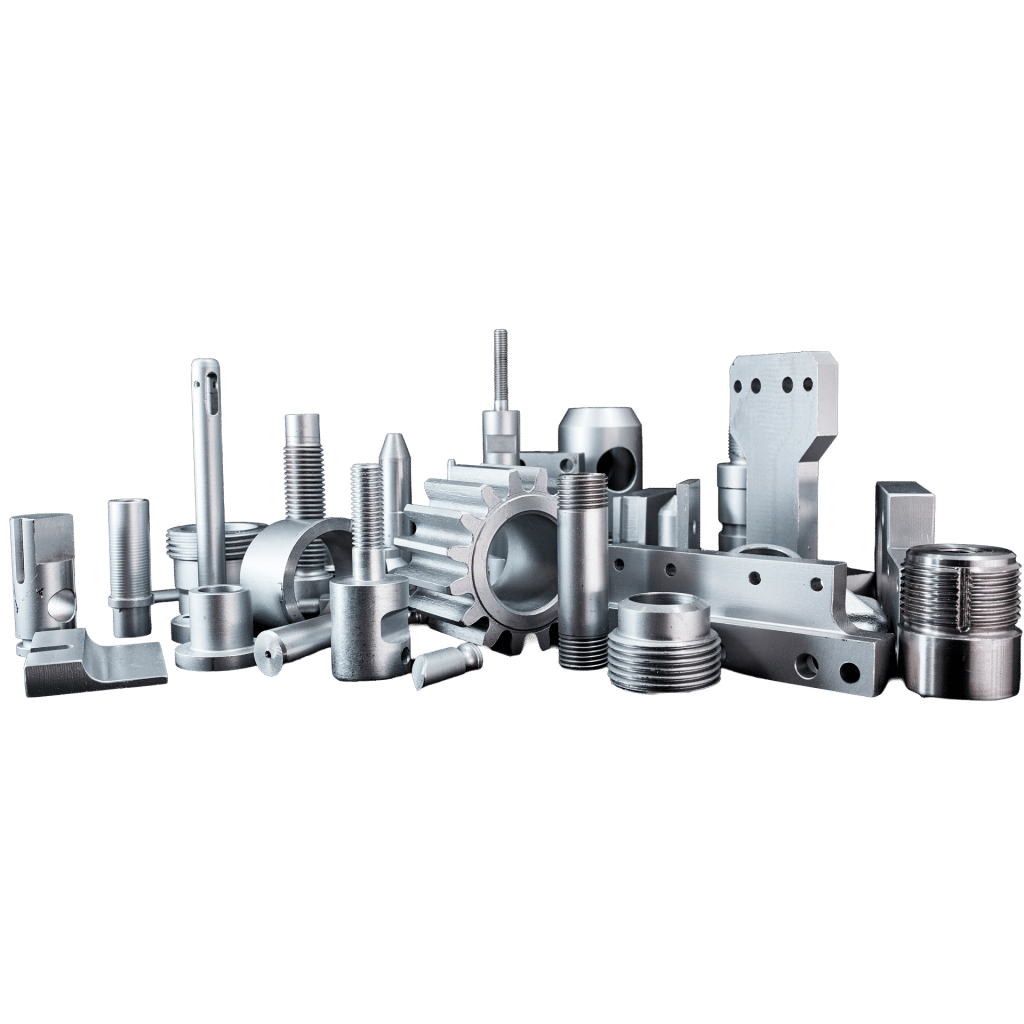
Aerospace Parts_3Axis
CNC custom made auto air ride suspension

Materials Used for Metal CNC Machining

  • Aluminum Alloys

    Aluminum is widely used due to its excellent machinability, light weight, and corrosion resistance. It’s ideal for aerospace, electronics, and high-precision components requiring a balance of strength and low mass.

  • Stainless and Carbon Steels

    Steels offer superior strength, durability, and wear resistance for demanding applications. Stainless steel also provides excellent corrosion resistance, making it suitable for medical, food-grade, and industrial environments.

  • Titanium and High-Performance Alloys

    Titanium delivers exceptional strength-to-weight ratio and outstanding heat and chemical resistance. These properties make it a preferred material for aerospace, medical implants, and high-performance engineering parts.

CNC Prototyping

CNC metal machining services are ideal for creating prototype parts to ensure fit, form, and function. Part prototyping allows manufacturers to test new parts and make necessary changes before moving on to mass production.

CNC metal machining is quick, relatively inexpensive, and allows customers the opportunity to get their hands on a part without the expense or time required to make a full production run.

Changes are easy and inexpensive, too. Just make the design changes in the CAD file and the CNC milling shop at Fathom will have the revised part ready for testing in no time. CNC machining quotes are available instantly through Fathom’s online quoting system.

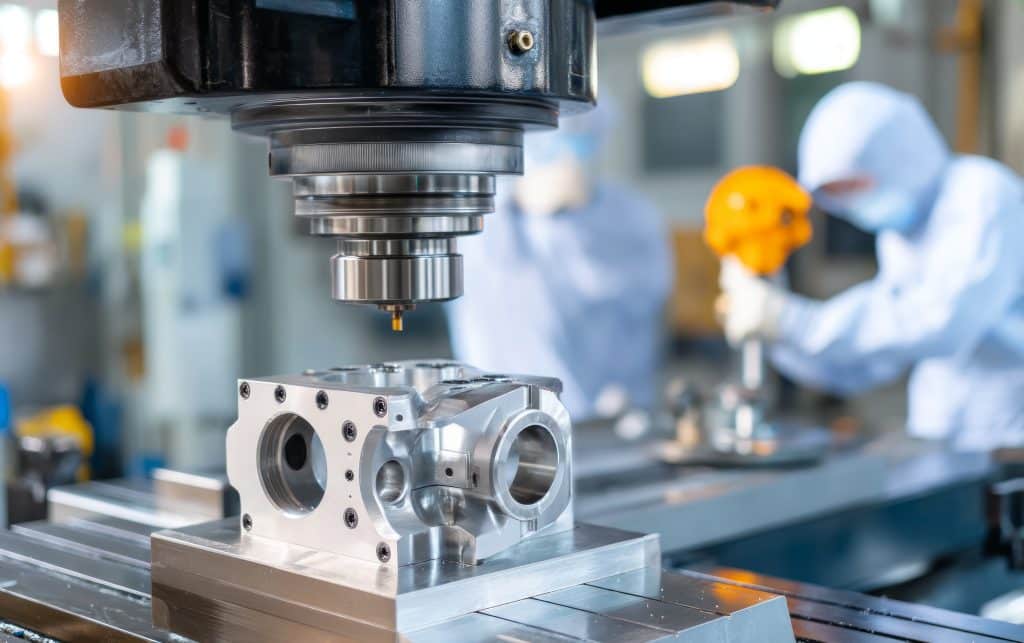
Precision CNC Milling of Satellite Bracket Component

Ready to Move from Design to Production?

Injection Molding Done with Expertise — Not Just Automation
Fast quoting is just the beginning. At Fathom, you get real engineering insight, proactive DFM guidance, and a streamlined path from prototype to full production — all backed by hands-on manufacturing experience.

Request a Quote Now
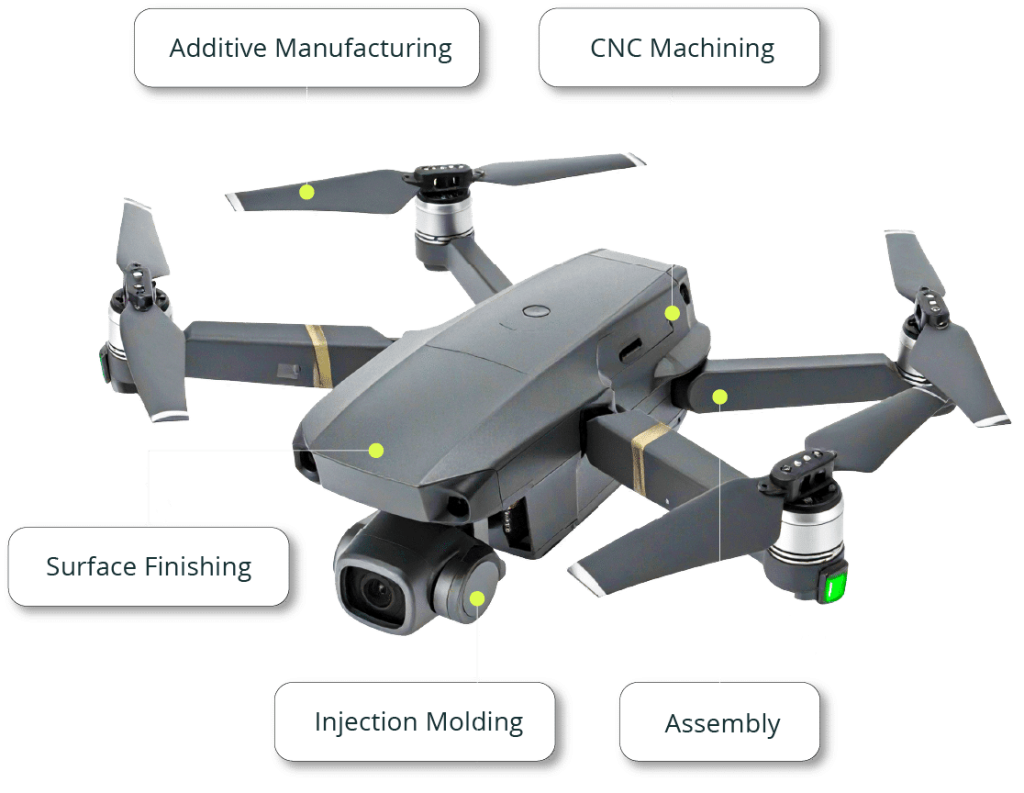
Drone_CTA

Have Questions About Metal CNC Machining? Here Are the Answers You Need

FAQs for Metal CNC Machining

Q.
What is metal CNC machining?

A.

Metal CNC machining is a subtractive manufacturing process where computer-controlled tools cut and shape metal materials—such as aluminum, steel, or titanium—to create precise, repeatable parts.


Q.
Which metals are commonly used in CNC machining?

A.

Popular metals include aluminum, stainless steel, carbon steel, titanium, brass, and copper, each selected based on strength, machinability, and application requirements.


Q.
How accurate is metal CNC machining?

A.

Metal CNC machines can regularly achieve tolerances of ±0.001 in (±0.025 mm) or tighter, depending on the material and part complexity.


Q.
Why choose CNC machining for metal parts over other processes?

A.

CNC machining offers high precision, excellent surface finishes, and flexibility for both prototypes and production without the need for custom tooling.


Q.
Can CNC machining handle complex geometries?

A.

Yes – 5-axis CNC machines can produce intricate shapes, undercuts, and multi-angled features that would be difficult or impossible with simpler equipment.


Q.
What surface finishes are available for metal CNC parts?

A.

Options include as-machined, bead blasting, anodizing, powder coating, plating, polishing, and brushing, depending on functional and aesthetic needs.


Q.
How long does CNC machining take for metal parts?

A.

Lead times vary based on material hardness, part complexity, and quantity, but simple components can be produced in hours while more complex parts may take days.


Q.
Is CNC machining suitable for high-volume production?

A.

Yes, CNC machining can scale from one-off prototypes to hundreds or thousands of parts, delivering consistent accuracy and quality across all batches.


Why Our Customers Trust Fathom

Low Cost
We leverage global manufacturing to lower costs
High Quality
Our quality systems ensure that your parts are the highest quality possible
Quick Turnaround
From quotation to shipping, we’ll meet your timing requirements
Online Quotes
Our online quotation system provides INSTANT quotes

Launch Your Injection Molding Project with Confidence

Partner with Experts Who Get It Right the First Time
Every project is reviewed by a seasoned manufacturing engineer to optimize part design, material selection, and tooling strategy — ensuring smarter decisions before steel is cut and production begins.

Start My Quote
Robot_Hand_CTA