Skip to content

CNC Machining Turns Ideas Into Precision Parts

CNC machining is a step-by-step, computer-controlled production method engineered for tight tolerances, consistent quality, and rapid turnaround. With fast online quoting and short lead times, CNC machining from Fathom can help keep your development and production schedules on track.
Get Your 30 Second Quote
Trusted by Industry Leaders
Lennox
Parker Hannifin
Panasonic
Rockwell Automation
HP Inc.
Ingersoll Rand
Gates
Sylvania Electric Products
Permabond Engineering Adhesives
Nikon
Honeywell
Delphi Technologies
Emerson Electric Co.
General Electric
Kawasaki
Edwards Lifescience
Harley Davidson
“Working with Fathom has given us a level of supply chain control we haven’t had with other partners. Instead of juggling multiple suppliers for machining, sheet metal, extrusions, and 3D-printed prototypes, we can run everything through one team and that’s been a huge advantage for our EV programs. Their engineers helped us tighten up a machined cooling-plate design, turn around sheet metal brackets in days, and rapidly iterate several 3D-printed enclosure concepts early in development. Having all of these capabilities under one roof has reduced delays, improved consistency across assemblies, and cut a significant amount of coordination time on our side.”
Senior Manufacturing Engineer,
Major EV OEM
“No matter how complex or how new issues are with product design, we can always count on Fathom. Their team provides an unbiased, ‘out-of-the-box’ professional opinion that is always forward-thinking, interesting and helpful. We value their exemplary commitment to providing superb engineering.”
Rich Rayhill
Crown
prev
next

What is CNC Machining?

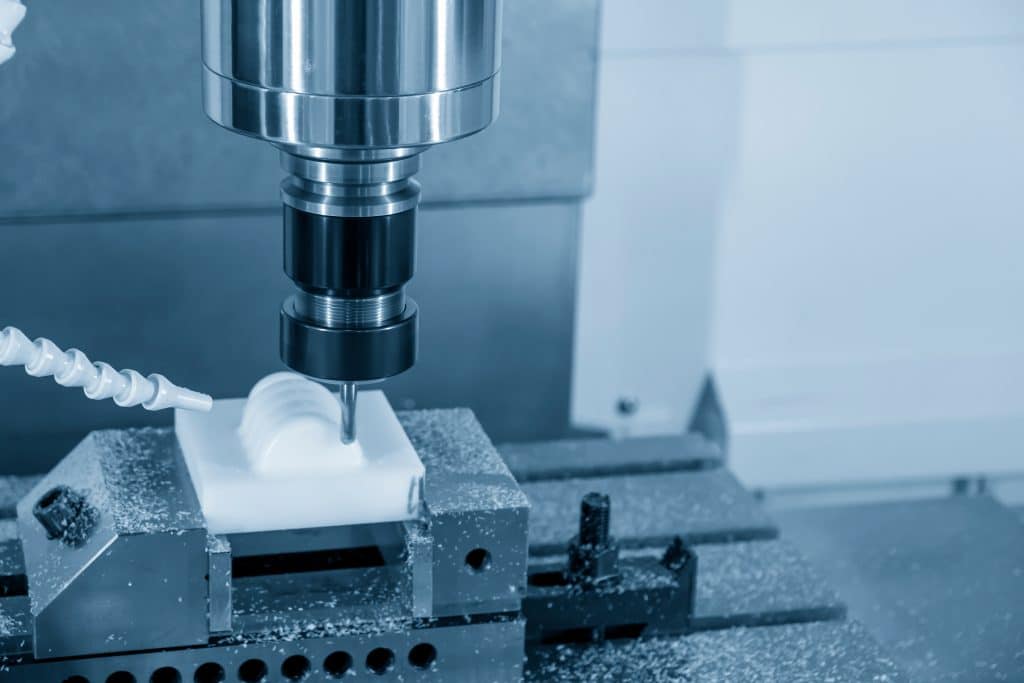
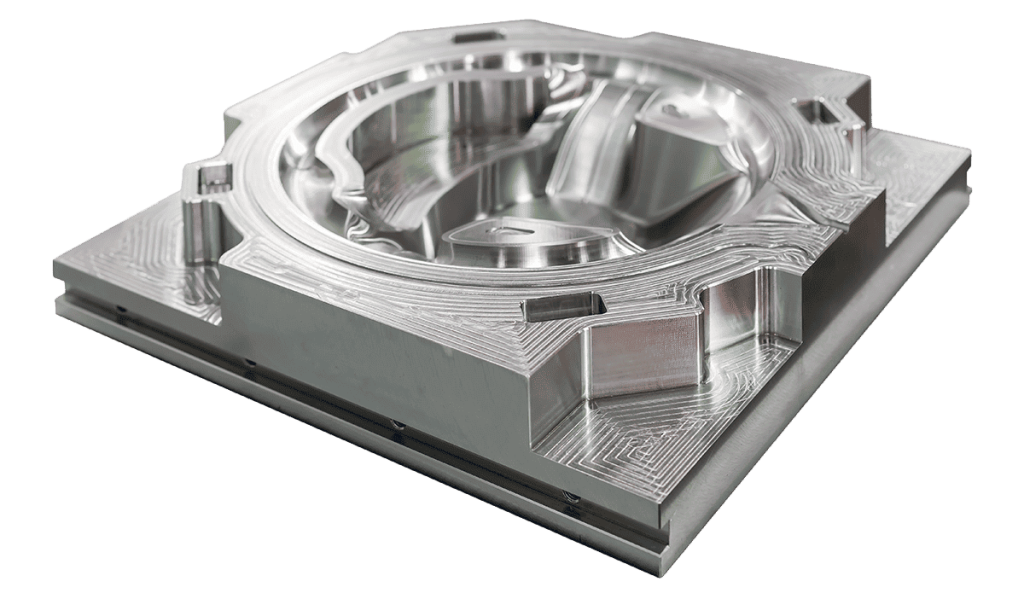
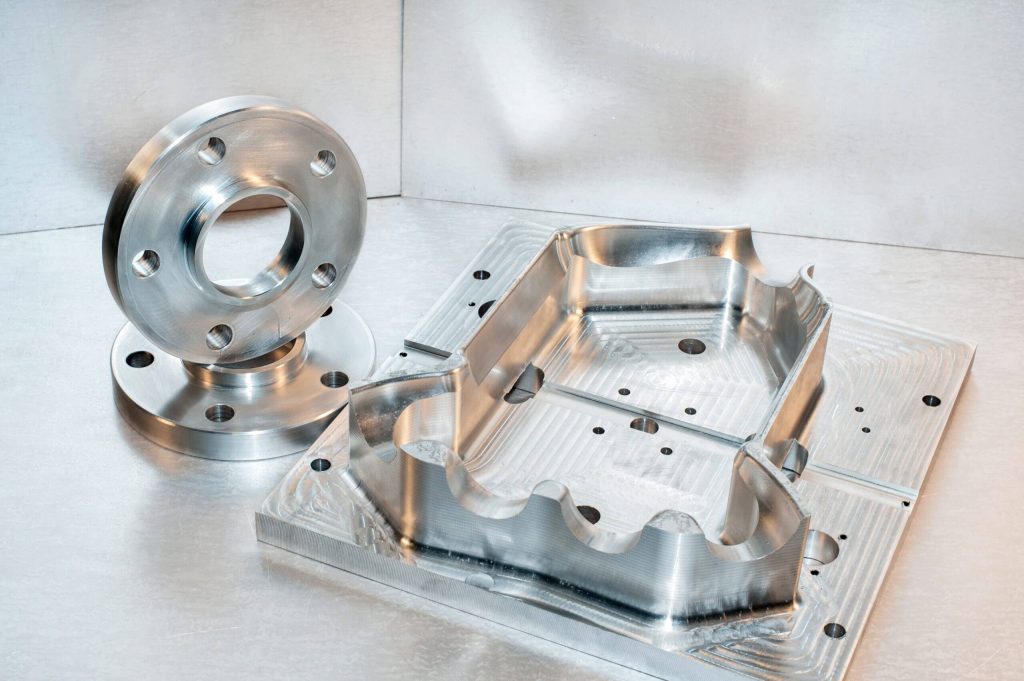
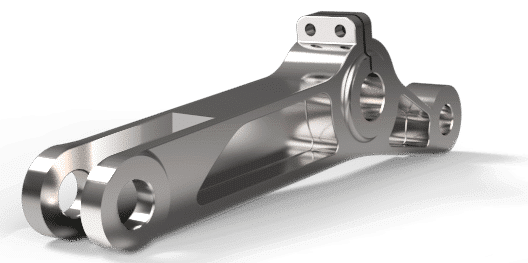
Fathom offers quick-turn CNC machining services that produce plastic or metal prototype parts rapidly for show models, design validation or functional testing. With quotes in as little as 24 hours and finished parts in as fast as 10 days, you get the speed needed to advance your project.

Because many domestic CNC plastic machining shops are overloaded with long queues, lead times can stretch for months. Fathom eliminates these delays, helping you accelerate development and get products to market faster.

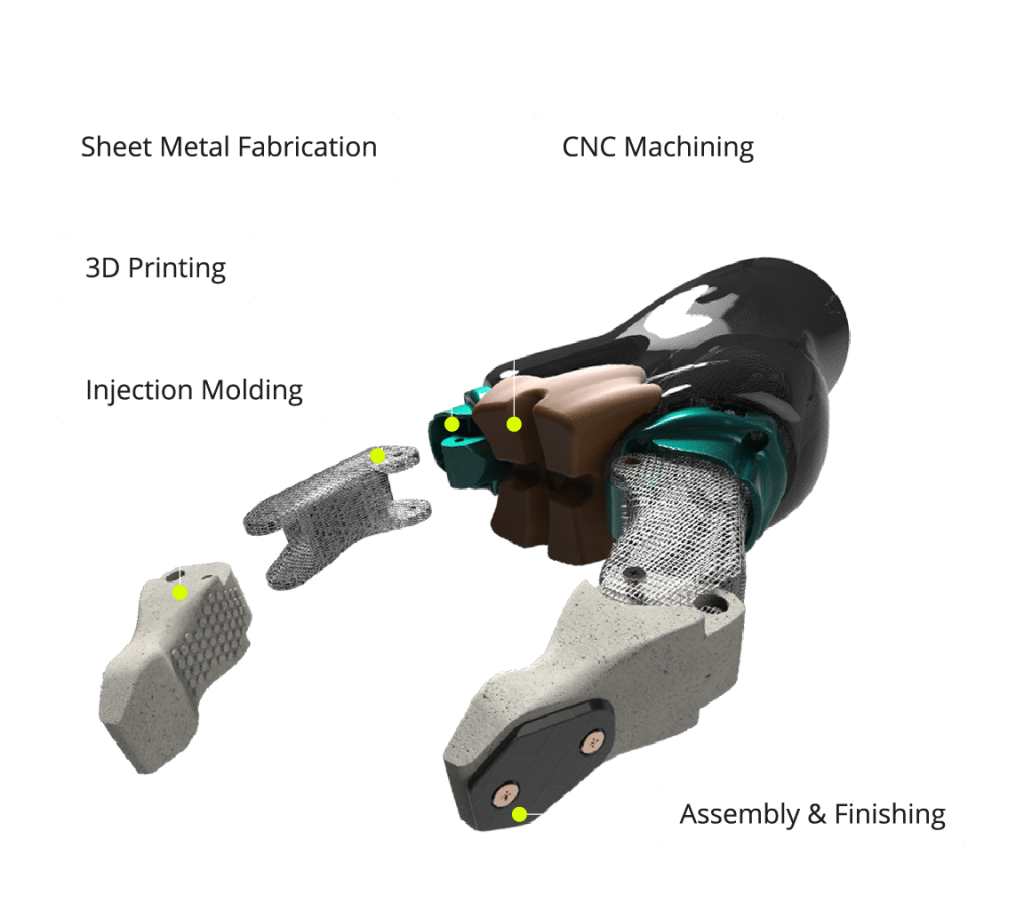
CNC machining is commonly used for rapid prototyping, design validation, and bridge production before transitioning to injection molding or other high-volume manufacturing processes. It allows teams to test form, fit and function using production-grade materials without committing to tooling. CNC machining can also be combined with injection molding processes, such as post-machining critical features, to achieve tighter tolerances or enhanced part performance.

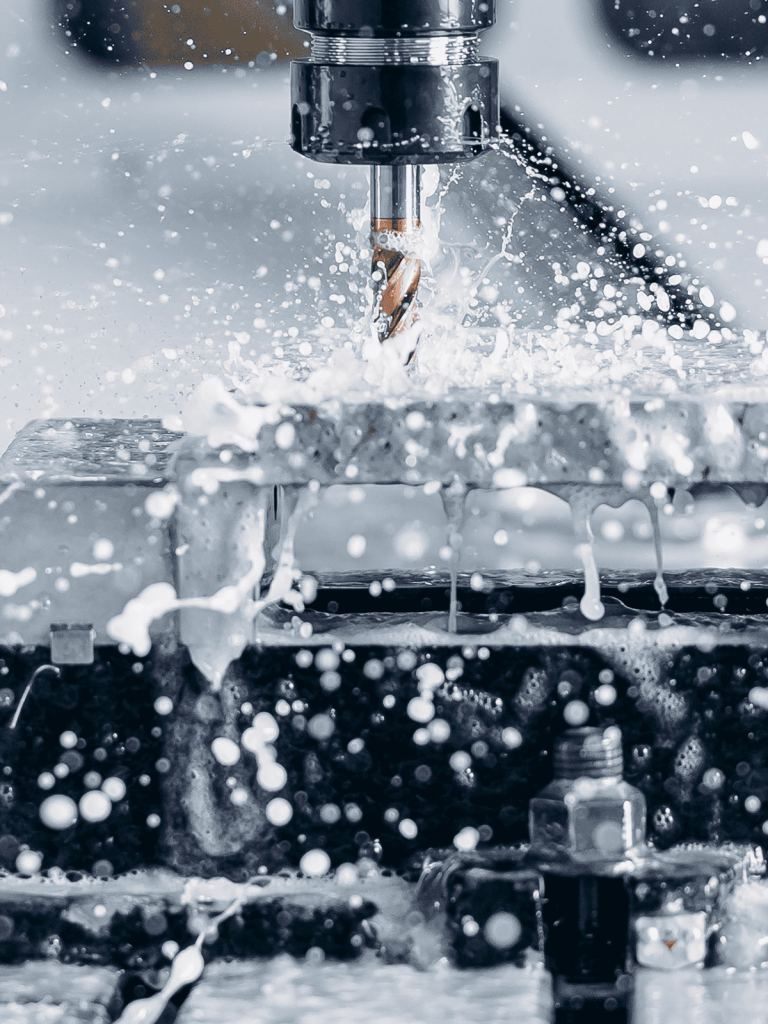
cnc_machine (2)

What is the Process for CNC Machining?

01 Design & Programming

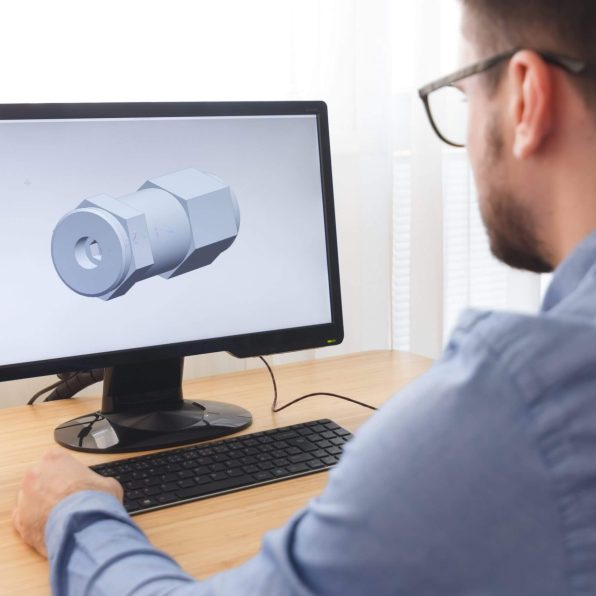
The process begins with creating a detailed 2D or 3D model of the part using CAD software. This model is then converted into a CNC-compatible toolpath using CAM software, generating the G-code instructions the machine will follow. Engineers review and simulate the program to ensure accuracy and prevent errors before production begins.

Engineer, Constructor, Designer in Glasses Working on a Personal Computer. He is Creating, Designing a New 3D Model of Mechanical Component in CAD Program. Freelance Work
02 Machine Setup & Preparation

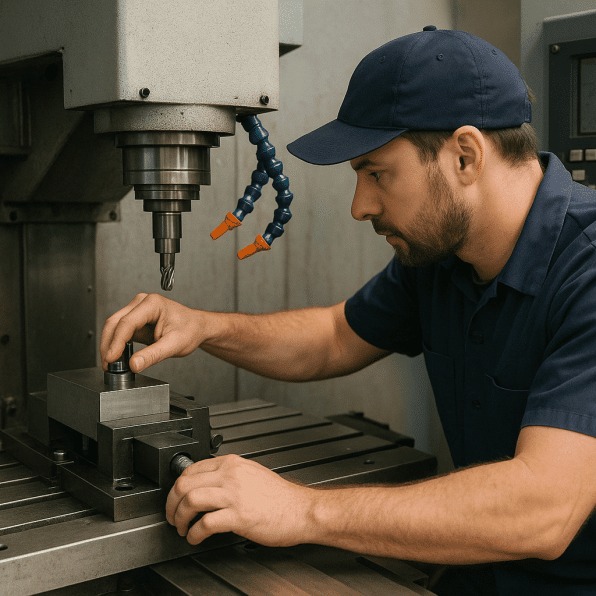
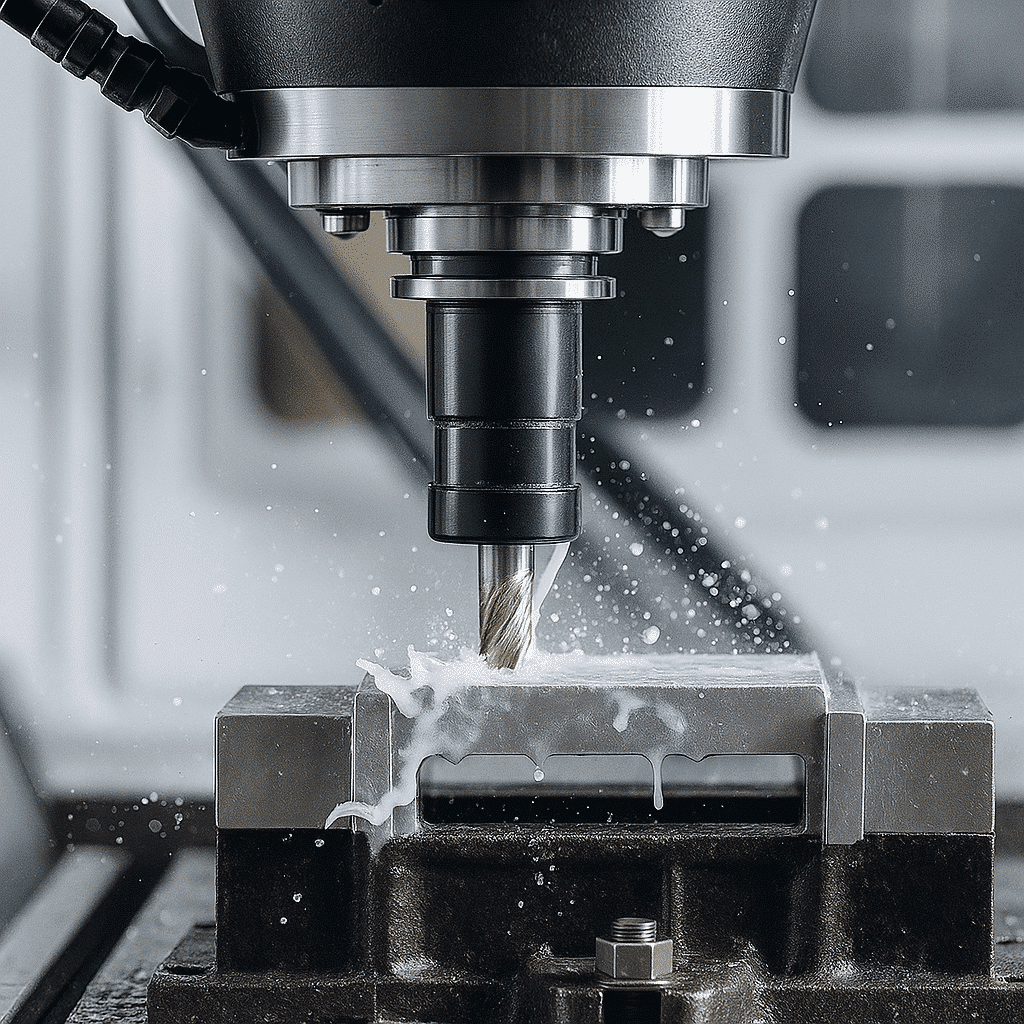
Material is selected and securely fixed onto the machine bed or inside a workholding fixture to ensure absolute stability. Operators install the required cutting tools and verify machine parameters such as spindle speed, feed rate, and coolant flow. A test run or dry run is often performed to confirm that the program and setup are correct.

CNC-milling-machine-setup-chat-gpt-1
03 Machining & Finishing

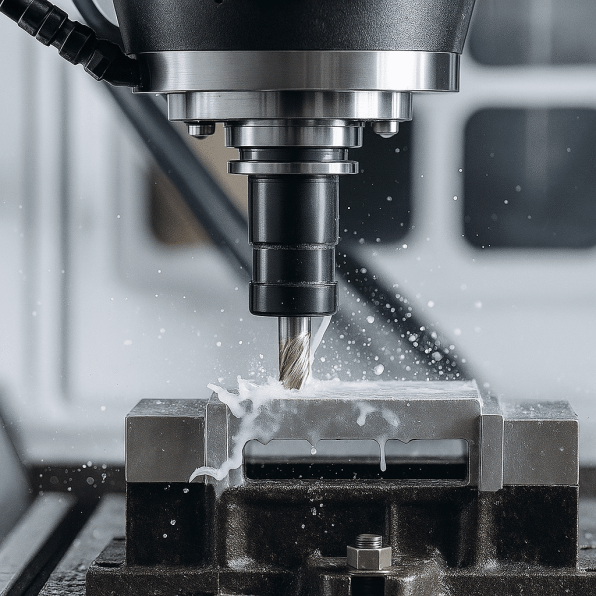
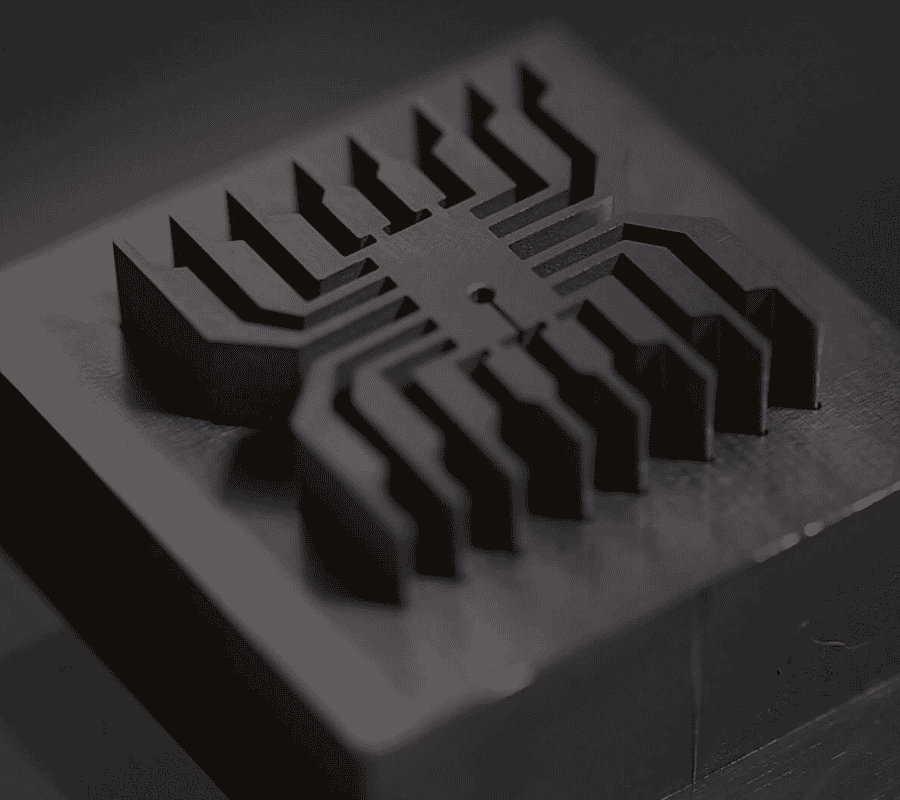
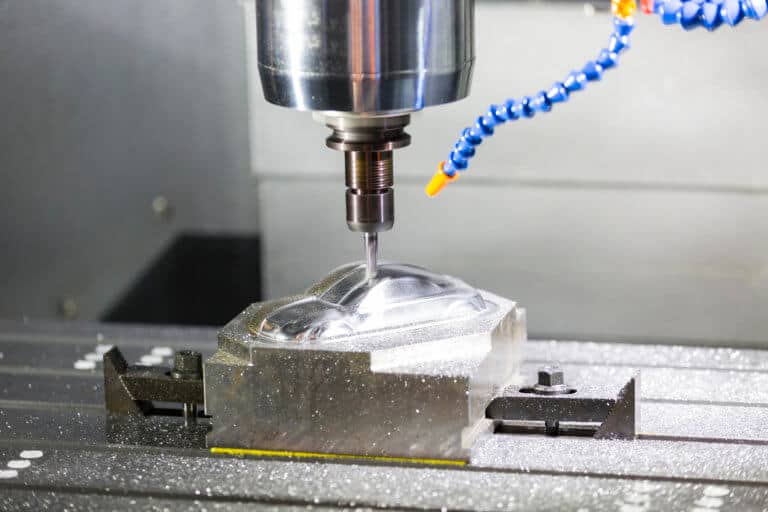
The CNC machine executes the programmed toolpaths, removing material with high precision through milling, turning, drilling or other operations. Sensors and controllers maintain accuracy by adjusting for tool wear, temperature and machine dynamics. Once machining is complete, the part may undergo deburring, polishing, inspection or additional finishing processes to meet final specifications.

cnc-3-axis-machining-why-fathom-chatgpt

Accelerate Production with the Proven Benefits of CNC Machining

CNC machining streamlines production by transforming digital designs into highly accurate parts with exceptional speed and consistency. Automated toolpaths eliminate manual variability, ensuring every component meets tight tolerances and high-quality standards. 

With rapid turnaround times and scalable capacity, CNC machining helps manufacturers reduce lead times and keep projects moving efficiently. This makes CNC machining an ideal solution for fast iteration, low-volume production, and time-sensitive programs.

Launch Your Injection Molding Project with Confidence

Partner with Experts Who Get It Right the First Time
Every project is reviewed by a seasoned manufacturing engineer to optimize part design, material selection, and tooling strategy — ensuring smarter decisions before steel is cut and production begins.

Start My Quote
Robot_Hand_CTA

Launch Your Injection Molding Project with Confidence

Partner with Experts Who Get It Right the First Time
Every project is reviewed by a seasoned manufacturing engineer to optimize part design, material selection, and tooling strategy — ensuring smarter decisions before steel is cut and production begins.

Start My Quote
Robot_Hand_CTA

CNC Machining FAQs

Do you have questions about CNC machining? Get answers to many common questions here.

Q.
What is CNC machining?

A.

CNC (Computer Numerical Control) machining is a manufacturing process where pre-programmed computer software directs the movement of tools and machinery to create precise parts from metal, plastic, and other materials.


Q.
What materials can be CNC machined?

A.

Common CNC materials include aluminum, steel, stainless steel, brass, copper, titanium, ABS, nylon, PEEK, acetal, acrylic, and many engineering plastics.


Q.
What tolerances can CNC machining achieve?

A.

Standard CNC tolerances are typically ±0.005 in (±0.13 mm), but precision machining can achieve ±0.0005 in (±0.013 mm) or better depending on geometry, material, and equipment.


Q.
What are the advantages of CNC machining?

A.

CNC machining offers high accuracy, repeatability, tight tolerances, excellent surface finishes, fast turnaround, and the ability to machine both prototypes and production parts.


Q.
Is CNC machining cost-effective for low-volume production?

A.

Yes. Because CNC requires no tooling and has fast setup times, it is ideal for prototypes, custom components, and low- to mid-volume production runs. CNC machining is often used early in development or for low-volume production, while injection molding becomes more economical as part volumes increase.


Q.
What is the difference between 3-axis and 5-axis CNC machining?

A.

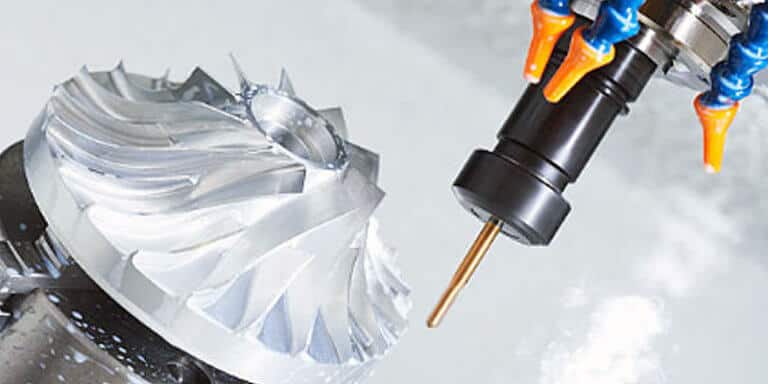
3-axis machines move in X, Y, and Z only, suitable for simpler geometries. 5-axis machines add rotation and tilt, enabling the creation of complex parts in fewer setups with tighter tolerances. Using 5-axis machining often reduces setup time, improves accuracy, and enables complex geometries to be produced more efficiently.


Q.
How long does it take to CNC machine a part?

A.

Lead time varies by complexity, material, and quantity. Simple parts may be completed in hours; more complex or high-volume orders may take several days to weeks. While CNC machining can support low- to mid-volume production, cycle time and per-part cost typically increase compared to molded parts at higher volumes.


Q.
What surface finishes are available for CNC machined parts?

A.

Options include as-machined, bead blasting, anodizing, powder coating, plating, brushing, polishing, and conversion coatings such as alodine.


Why Our Customers Trust Fathom

Low Cost
We leverage global manufacturing to lower costs
High Quality
Our quality systems ensure that your parts are the highest quality possible
Quick Turnaround
From quotation to shipping, we’ll meet your timing requirements
Online Quotes
Our online quotation system provides INSTANT quotes

Launch Your Injection Molding Project with Confidence

Partner with Experts Who Get It Right the First Time
Every project is reviewed by a seasoned manufacturing engineer to optimize part design, material selection, and tooling strategy — ensuring smarter decisions before steel is cut and production begins.

Start My Quote
Robot_Hand_CTA