Skip to content

3D Printing Services

  • Fast Iteration & Customization of Part Designs

  • Affordable: No Tooling is Required

  • Greater Design Freedom Than Subtractive Manufacturing

Get a Quote
Trusted by Industry Leaders
Lennox
Parker Hannifin
Panasonic
Rockwell Automation
HP Inc.
Ingersoll Rand
Gates
Sylvania Electric Products
Permabond Engineering Adhesives
Nikon
Honeywell
Delphi Technologies
Emerson Electric Co.
General Electric
Kawasaki
Edwards Lifescience

Additive Manufacturing

3D printing constructs 3D parts by printing or depositing successive layers of material, guided by Computer-Aided-Design (CAD) file.

Materials used in 3D printing include polymers, metals, glass, ceramic, foams, gels and more. Common applications for 3D printed products include production parts, industrial tooling, visualization tools, consumer prototypes and customized products.

3D printing technologies offered by Fathom include Selective Laser Sintering (SLS), Stereolithography (SLA), Fused Disposition Modeling (FDM), Multi Jet Fusion (MJF), PolyJet and Direct Metal Laser Sintering (DMLS). For more information, visit our 3D printing services page.

How Does 3D Printing Work?

Design & Preparation

The part is designed using CAD software and then converted into a printable file (typically STL or similar). The file is sliced into layers and printing parameters are set based on the material and printer.

The-Printing-Process_SLS-1-scaled
Printing

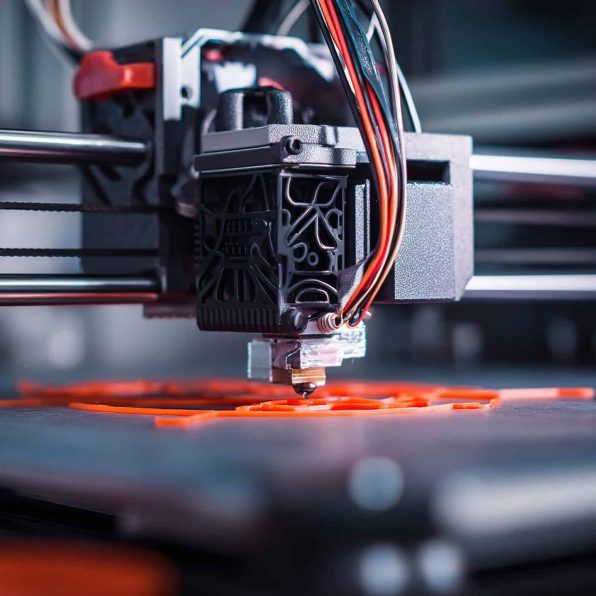
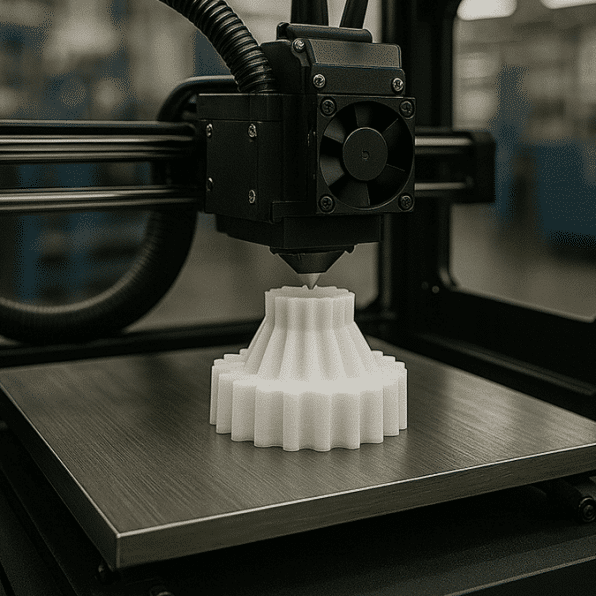
The 3D printer builds the part layer by layer according to the sliced design. Material is deposited, cured, or fused depending on the printing technology being used.

Build_Process
Post-Processing

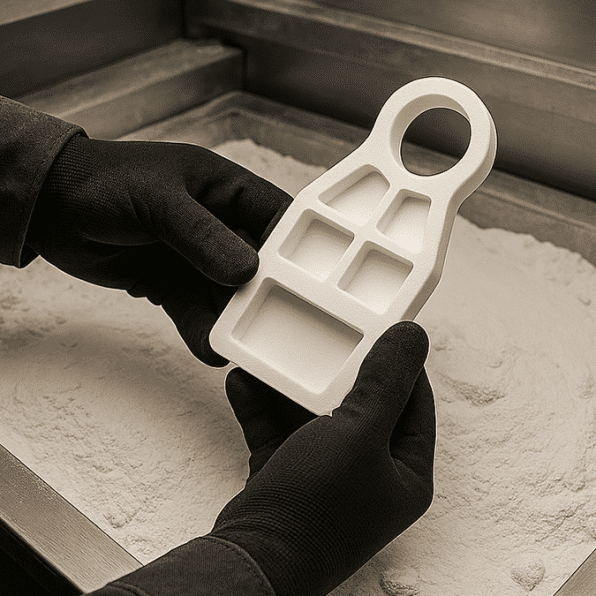
Once printing is complete, the part is removed and cleaned, with supports taken off if needed. Additional finishing steps like curing, sanding, or coating may be applied to achieve the desired strength and surface quality.

Post_Processing

How Does 3D Printing Compare to Other Manufacturing Processes

Advantages

  • Rapid Prototyping

    Designs can be produced and tested in hours or days instead of weeks, dramatically speeding up product development cycles.

  • Low Setup Costs

    3D printing requires little to no tooling, making it cost-effective for low-volume production and one-off parts.

  • Design Freedom

    Complex geometries, internal channels, and organic shapes can be created without added manufacturing complexity.

  • Easy Customization

    Each part can be modified digitally without changing equipment, enabling mass customization at minimal additional cost.

  • Reduced Material Waste

    Additive processes use only the material needed to build the part, resulting in less waste than subtractive methods.

  • Shorter Supply Chains

    Parts can be produced on demand and locally, reducing reliance on long supply chains and inventory storage.

  • Faster Time to Market

    Companies can move from concept to finished product more quickly due to streamlined design and production steps.

Disadvantages

  • Slower for High-Volume Production

    Compared to injection molding or stamping, 3D printing is inefficient for large-scale manufacturing.

  • Limited Material Options

    The range of printable materials is smaller than traditional manufacturing, especially for specialized metals and composites.

  • Lower Surface Finish & Accuracy

    Printed parts often require post-processing to achieve the surface quality and tolerances of machined or molded parts.

  • Higher Unit Cost at Scale

    While cost-effective for small batches, the per-part cost increases relative to traditional methods as production volumes grow.

Launch Your Injection Molding Project with Confidence

Partner with Experts Who Get It Right the First Time
Every project is reviewed by a seasoned manufacturing engineer to optimize part design, material selection, and tooling strategy — ensuring smarter decisions before steel is cut and production begins.

Start My Quote
Robot_Hand_CTA

Common Applications of 3D Printing

Prototyping & Product Development

3D printing is widely used to quickly create prototypes for testing form, fit, and function. It allows teams to iterate designs rapidly without expensive tooling.

Custom Manufacturing

The technology enables production of highly customized or personalized parts, such as consumer products or specialty components. Each item can be modified digitally without impacting production efficiency.

Healthcare & Medical Devices

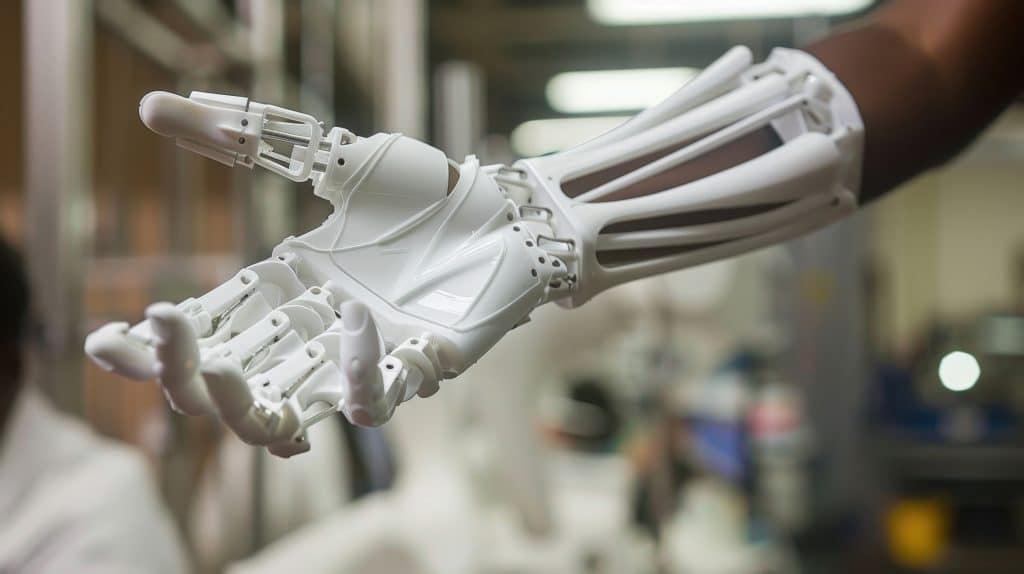
3D printing is used for patient-specific implants, prosthetics, surgical guides, and anatomical models. This improves fit, surgical accuracy, and patient outcomes.

Aerospace & Automotive

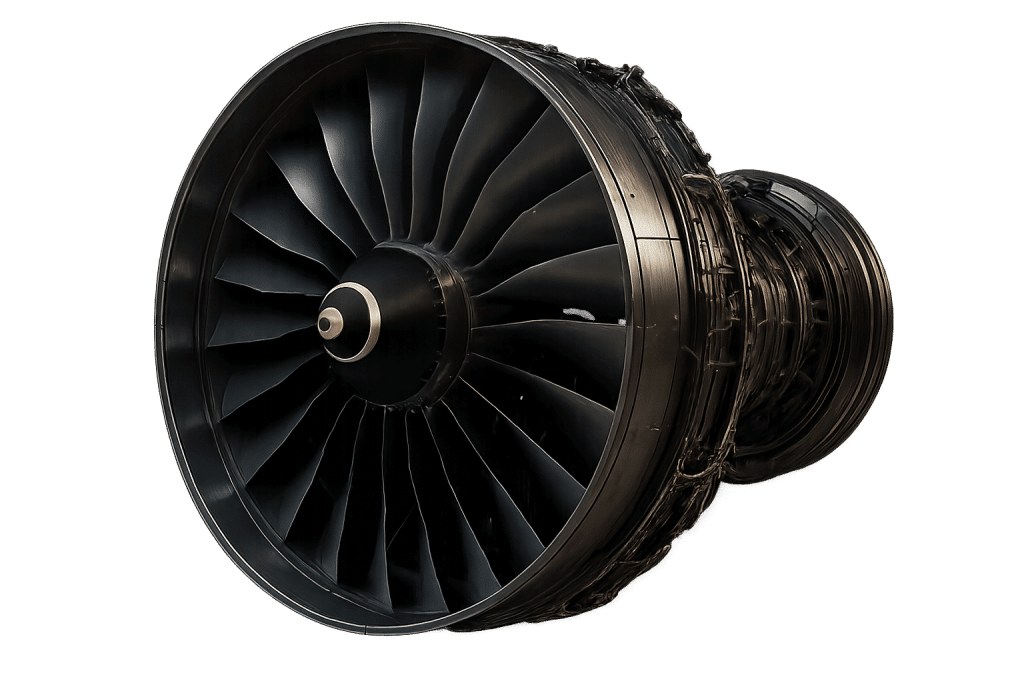
Manufacturers use 3D printing to produce lightweight, complex parts and tooling. It helps reduce part count, improve performance, and accelerate design validation.

Tooling, Jigs & Fixtures

Custom tools, jigs, and fixtures can be printed quickly to support manufacturing and assembly operations. This reduces lead times and lowers costs compared to traditional toolmaking.

Architecture, Construction & Design

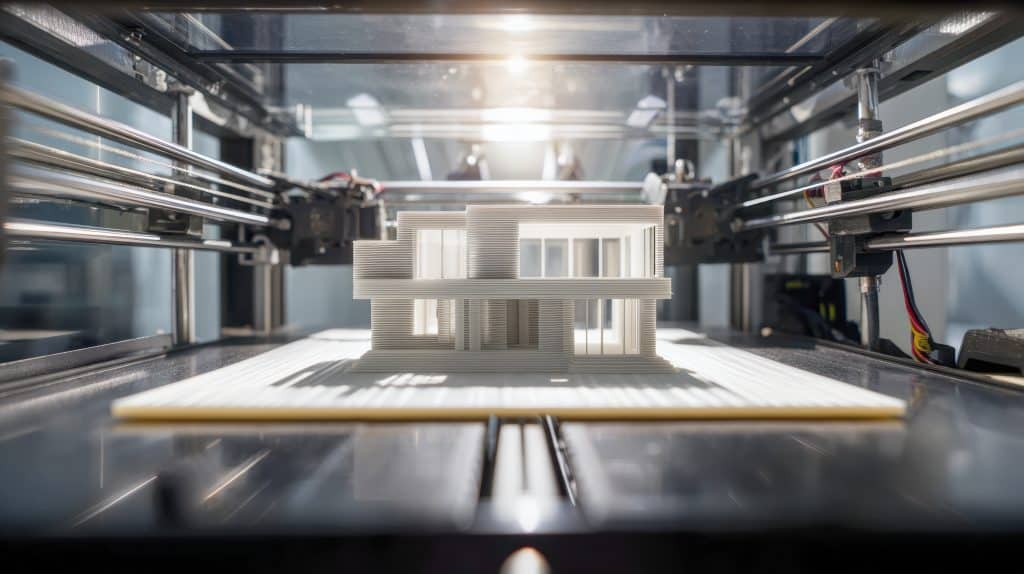
3D printing is used to create detailed architectural models, construction components, and design prototypes. It allows architects and builders to visualize concepts, test structures, and explore innovative building methods more efficiently.
3D Prosthetics
White modern house architectural model being 3d printed on a professional printer showcasing advanced technology in construction and design innovation

Material Categories Used in 3D Printing

  • Engineering Plastics

    High-performance thermoplastics such as ABS, nylon (PA), polycarbonate, and glass- or carbon-fiber–filled variants are commonly used for functional prototypes and end-use parts.

  • Photopolymer Resins

    Specialized resins are used for high-detail, smooth-surface parts, including standard, tough, flexible, and high-temperature resins for prototyping and tooling applications.

  • Metal Alloys

    Industrial metal 3D printing typically includes aluminum, stainless steel, and titanium alloys for strong, lightweight, and heat-resistant components.

  • Elastomers & Flexible Materials

    Rubber-like materials such as TPU are used for gaskets, seals, overmold-style parts, and components requiring flexibility.

Ready to Move from Design to Production?

Injection Molding Done with Expertise — Not Just Automation
Fast quoting is just the beginning. At Fathom, you get real engineering insight, proactive DFM guidance, and a streamlined path from prototype to full production — all backed by hands-on manufacturing experience.

Request a Quote Now
Drone_CTA

FAQs

Quick answers to common questions

Q.
What is 3D printing?

A.

3D printing is an additive manufacturing process that creates physical parts by building material layer by layer from a digital CAD model.


Q.
How long does 3D printing take?

A.

Print times can vary from a few hours to multiple days depending on part size, geometry complexity, material choice, and printing technology.


Q.
What materials can be 3D printed?

A.

A wide range of materials can be 3D printed, including engineering plastics, photopolymer resins, metals, and flexible elastomers.


Q.
Is 3D printing suitable for production parts?

A.

3D printing is well suited for low-volume production, end-use components, and highly customized parts with complex designs, but other processes like injection molding can be better for high-volume production..


Q.
How accurate are 3D-printed parts?

A.

3D-printed parts can achieve high dimensional accuracy, though post-processing is often required to meet tight tolerance or surface finish requirements.


Q.
Does 3D printing require tooling?

A.

Most 3D printing processes do not require molds or tooling, which significantly reduces setup time and upfront manufacturing costs.


Q.
What post-processing is required?

A.

Depending on the process, post-processing may include support removal, curing, machining, sanding, or cosmetic finishing.

Q.
How much does 3D printing cost?

A.

The cost of 3D printing depends on material, part size, complexity, and quantity, and is typically most economical for low-volume runs.

Why Our Customers Trust Fathom

Low Cost
We leverage global manufacturing to lower costs
High Quality
Our quality systems ensure that your parts are the highest quality possible
Quick Turnaround
From quotation to shipping, we’ll meet your timing requirements
Online Quotes
Our online quotation system provides INSTANT quotes

Launch Your Injection Molding Project with Confidence

Partner with Experts Who Get It Right the First Time
Every project is reviewed by a seasoned manufacturing engineer to optimize part design, material selection, and tooling strategy — ensuring smarter decisions before steel is cut and production begins.

Start My Quote
Robot_Hand_CTA